Home Problems
Why Does My Circuit Breaker Keep Tripping? 7 Causes and Safe Fixes
Why does your breaker keep tripping? Learn the 7 common causes, simple safe checks, and when to call an electrician. Easy steps for any home.
11 min read
Free tool
Add up your appliances and see the amps and watts on a 15 or 20 amp circuit, with the 80% rule for continuous loads. Find out if it will trip.
A household outlet circuit in the US is usually 120 volts and protected by a 15 or 20 amp breaker. The calculator adds the watts of everything on the circuit and divides by 120 to get amps.
Amps = watts / 120 volts
| Breaker | Most the circuit can carry | For loads that run 3 hours or more |
|---|---|---|
| 15 amp | 1,800 watts | 1,440 watts |
| 20 amp | 2,400 watts | 1,920 watts |
A load that runs for 3 hours or more is called a continuous load. The National Electrical Code (Article 210.20(A)) requires the breaker rating to be at least the other loads plus 125 percent of the continuous load. That is the same as keeping a continuous load to 80 percent of the breaker rating. Space heaters, window air conditioners, furnace blowers and lights often run that long. Microwaves, hair dryers and coffee makers usually do not. Check the code edition your area follows, because local rules differ.
Unplug the largest load or move it to an outlet on a different circuit. Use one circuit for a heater by itself if you can. If a breaker trips with only a small load, or a plug, outlet or cord feels warm, stop and call a licensed electrician, because the problem may be the wiring or the breaker. For causes of repeated trips, see why a circuit breaker keeps tripping. For a heater in particular, read why a space heater trips the breaker.
It uses typical watts, so use the number on your appliance label. It does not add the surge many motors draw for a moment when they start, such as a refrigerator, sump pump or air conditioner. It cannot see other outlets and lights on the same circuit, old or damaged wiring, or loose connections. It covers plug-in loads on 120 volt circuits, not 240 volt circuits such as dryers, ranges and electric water heaters. It is a guide and not an electrical inspection.
Planning for a power cut? Use the generator size calculator. To see what a heater costs to run, try the space heater cost calculator and the space heater size calculator. If a GFCI will not reset, read what to do when a GFCI outlet will not reset. If you must use a cord, check it with the extension cord size calculator.
At 120 volts a 15 amp breaker allows 1,800 watts (15 x 120). For a load that runs 3 hours or more, such as a space heater, keep it to about 1,440 watts, which is 80 percent of the rating.
Watts divided by volts. A 1,500 watt heater on a 120 volt outlet draws 12.5 amps. That alone is above the 12 amp long-running limit of a 15 amp circuit, so anything else on the circuit can push it over.
It depends on their watts, not their number. A 20 amp circuit allows 2,400 watts, or about 1,920 watts for loads that run 3 hours or more. Add up the watts of everything on the circuit and use the calculator.
A breaker trips only when the current is above its rating. The 80 percent limit for loads that run 3 hours or more is a safety margin for the breaker and wiring. A circuit can sit above that margin without tripping and still run hot.
No. A power strip only gives you more outlets on the same circuit and the same breaker. The total of everything plugged into the circuit is what counts, and a heater should not be plugged into a strip at all.
Home Problems
Why does your breaker keep tripping? Learn the 7 common causes, simple safe checks, and when to call an electrician. Easy steps for any home.
11 min read
Home Problems
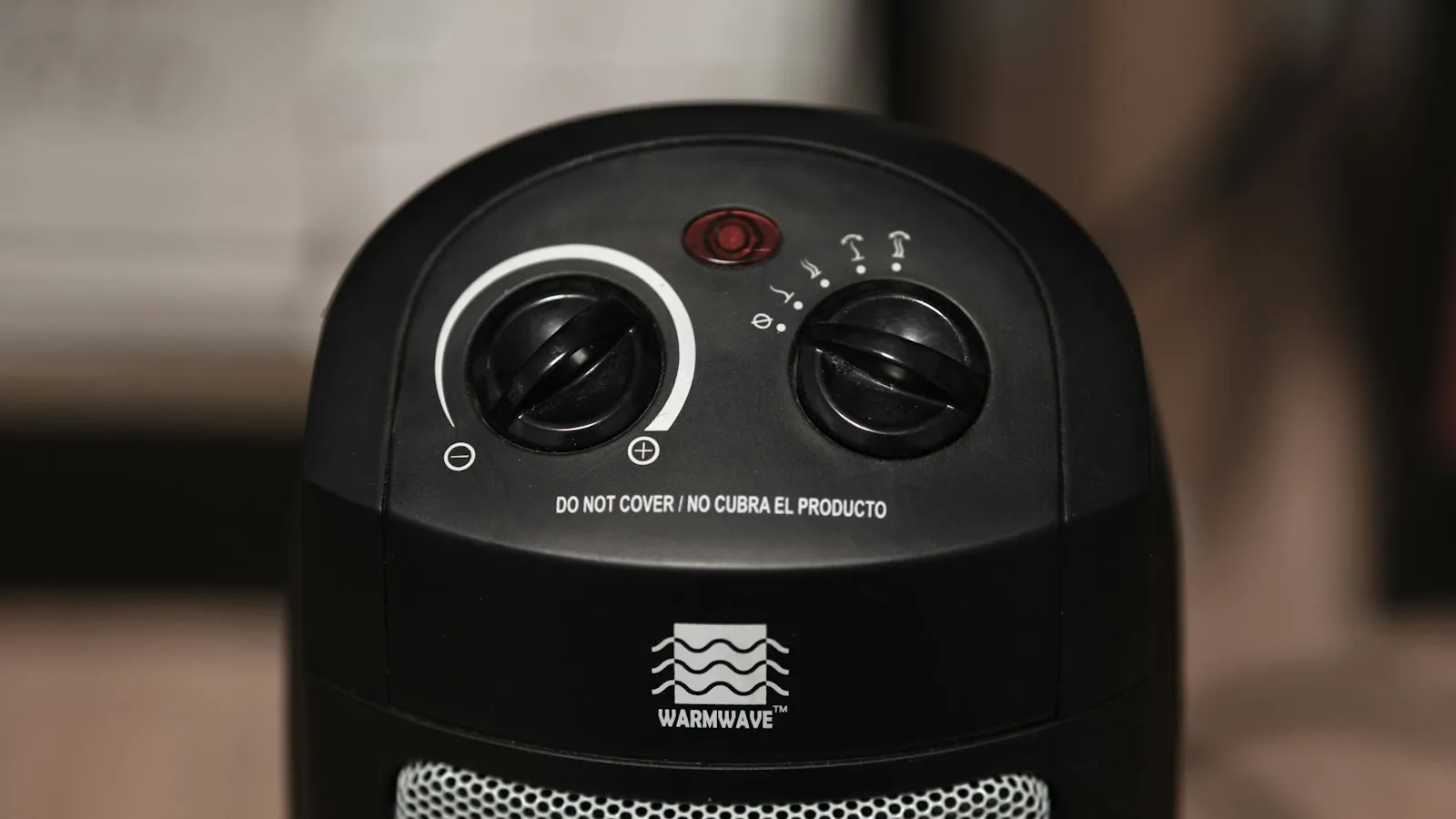
Space heater tripping the breaker? An overloaded circuit is the usual cause. Check what else shares the circuit, try the low setting and know when it's a fault.
5 min read
Home Problems
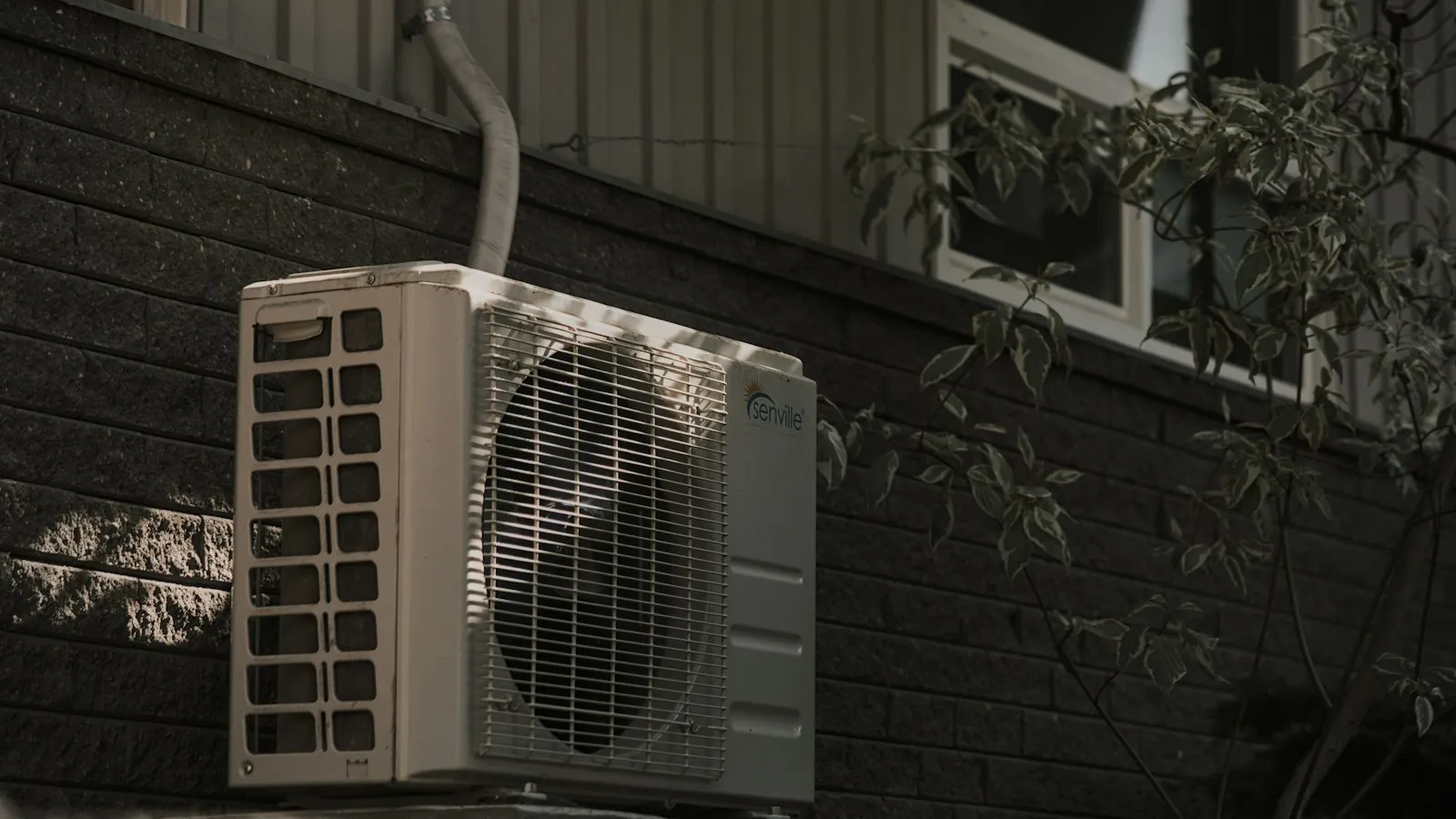
Window AC tripping the breaker? Check the circuit load, a dirty filter, the plug and the start capacitor first. Here is what to try and when to call an electrician.
5 min read
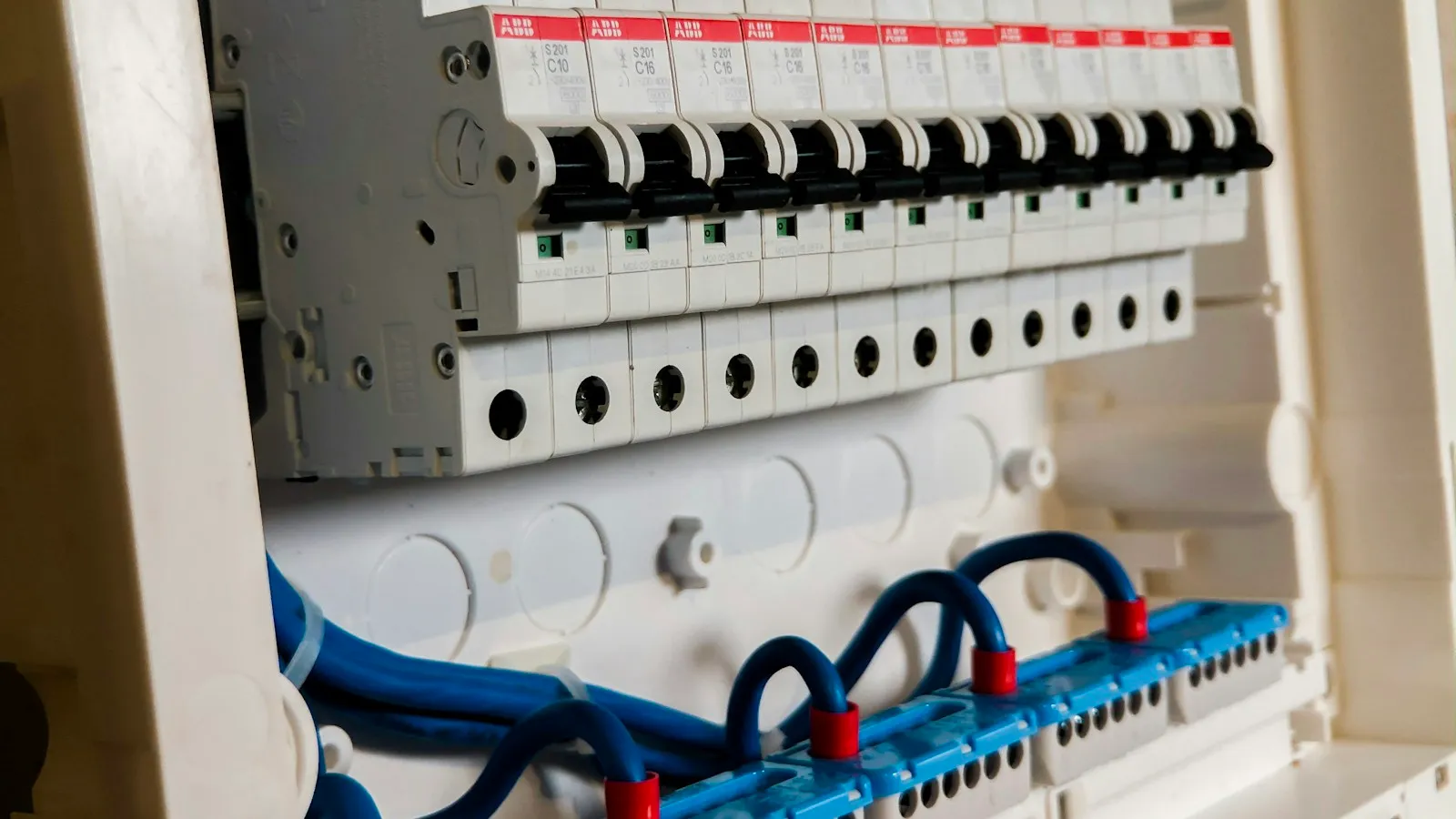
The number is on the breaker switch in your panel. Many bedrooms and living rooms are on 15 amps, and kitchens and garages are often 20 amps.
Over the safe limit for long-running loads
The breaker may not trip right away, but a load that runs 3 hours or more should stay under 80% of the breaker rating. Running above that keeps the breaker and wiring hot. Move something to another circuit.
Total load
1,700 W
Current
14.2 A
15 A breaker limit
1,800 W
Safe limit, 3+ hour loads
1,440 W
Used of the breaker rating
94%
Used of the safe limit
118%
Room left for a long-running load
0 W
1,700 W divided by 120 V is 14.17 A. For loads that run 3 hours or more, the breaker rating must be at least the other loads plus 125% of those, which here is 17.7 A against a 15 A breaker. The largest load is space heater at 1,500 W, so moving it is the quickest fix.
This is a guide for plug-in loads on a 120 volt circuit, not an electrical inspection. It cannot see old wiring, loose connections, or other outlets and lights on the same circuit. If a breaker trips with a small load, or an outlet or plug is warm, stop and call a licensed electrician.