Why Does My Room Smell Musty? Causes and How to Get Rid of the Smell
A musty smell almost always means damp air and mold or mildew nearby. Learn how to find the source, remove the smell, and stop it from coming back.
On this page
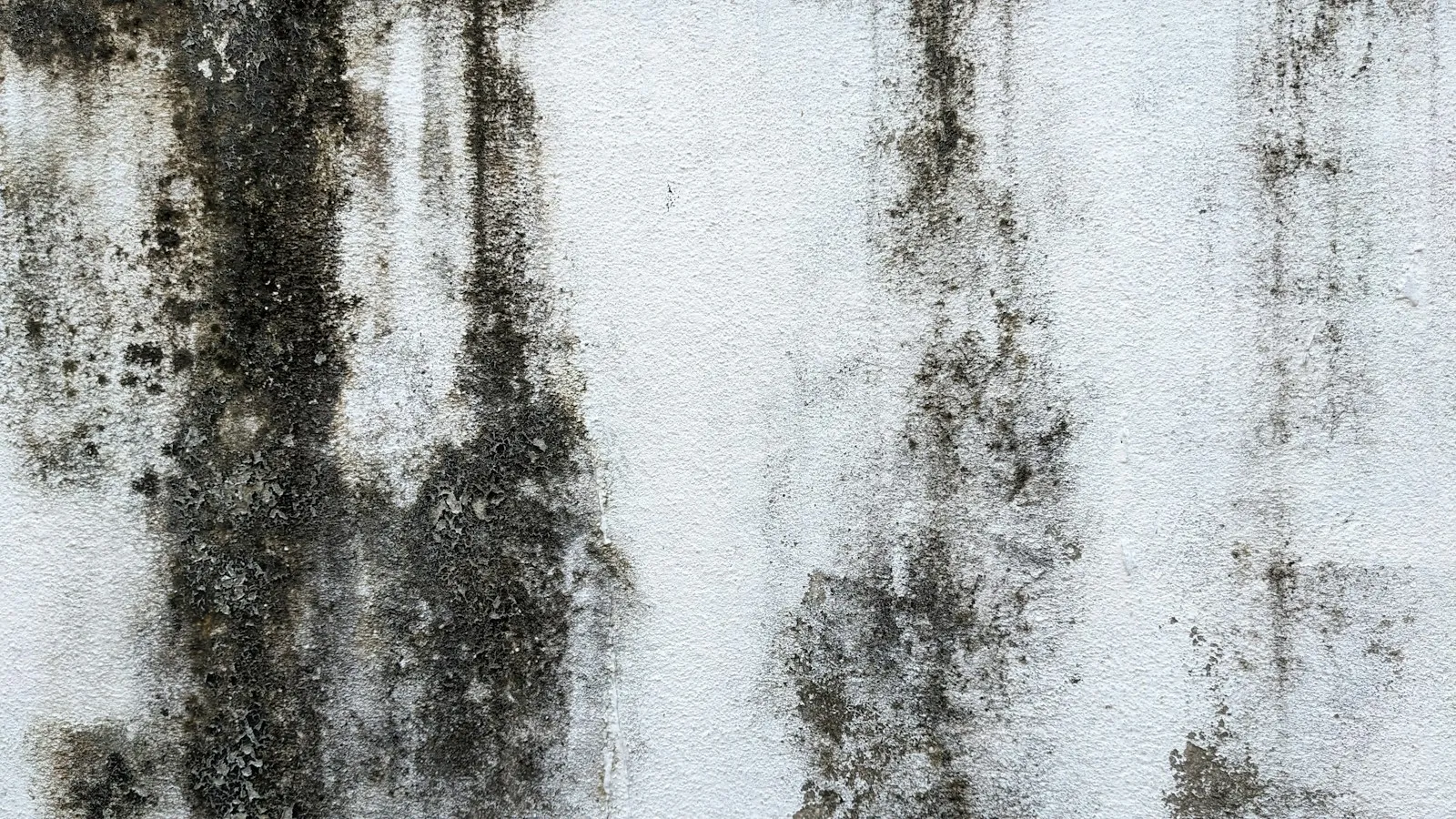
A room smells musty because of moisture. When a room stays damp, mold and mildew start to grow, often in places you cannot see. As they grow, they give off a stale, earthy smell, a bit like wet cardboard or an old basement.
So the fix is not an air freshener. The fix is to find where the moisture is coming from, dry the room out, and clean up any mold or mildew. Once the room stays dry, the smell goes away and stays away.
This guide will help you find the cause, get rid of the smell step by step, and keep it from coming back.
What causes a musty smell?
That musty smell comes from gases that mold and mildew give off as they grow. Mold and mildew are types of fungus. They need three things to grow:
- Moisture, from damp air, leaks, or wet materials
- Food, like wood, paper, drywall, fabric, dust, or soap scum
- Time, usually just a day or two of dampness
You can smell mold long before you see it. That is why a musty smell is a helpful early warning.
8 common reasons your room smells musty
1. The room does not get enough fresh air
Rooms that stay closed up hold in moisture. Every time you breathe, shower, or cook, water goes into the air. Without fresh air, that moisture has nowhere to go. Guest rooms, basements, and rooms with windows that never open are the most common problem spots.
2. Condensation on windows and walls
Do you see water drops on the inside of your windows in the morning? That is condensation. It happens when warm, damp air touches a cold surface and turns back into water. Over time, it soaks into window frames, walls, and corners. You might see black spots near windows or in corners behind furniture. This is very common in bedrooms during cold weather. Our guide on stopping window condensation covers this problem in more detail.
3. Drying laundry inside
A load of wet laundry lets off a lot of water as it dries. Drying clothes on a rack in a closed room is one of the fastest ways to make a room damp and musty.
4. A hidden leak
A slow leak from a roof, gutter, window seal, pipe, or radiator can soak into walls, ceilings, or floors without you noticing. Look for:
- Stains on the ceiling or walls
- Peeling paint or bubbling wallpaper
- Warped baseboards
- A floor that feels soft or spongy
- A musty smell that is strongest in one spot
5. Carpet, furniture, and stored items
Carpets, mattresses, couches, curtains, and boxes of stored clothes soak up moisture and smells. Items stored against cold outside walls are more likely to get mildew. Old carpet in a basement often smells musty even when the air feels fine.
6. Your air conditioner
Window units and other air conditioners pull water out of the air. That water drips into a tray and drains away. If the tray or drain gets blocked, or the coils are dirty, water sits inside the unit. Then a musty smell blows out when the AC runs.
7. Basements and ground floors
Rooms below or at ground level are cooler, and moisture can seep in through the walls and floor. That is why basements are often damp and musty, even without a leak.
8. Your closet is too full
Packed closets do not get any air. If clothes go into the closet a little damp, or the closet is on an outside wall, it can start to smell musty.
Musty smell or something else?
Different smells point to different problems. Use this table to make sure you are fixing the right thing.
| What it smells like | Likely cause | What to do |
|---|---|---|
| Musty, earthy, like wet cardboard | Damp air, mold, or mildew | Dry the room and clean mold |
| Rotten eggs or sewer | Dry drain, toilet seal, or sewer line | Run water in drains; check the toilet |
| Rotten eggs near a gas appliance | Possible gas leak | Leave the house and call your gas company |
| Sour, like old laundry | Damp towels or clothes | Rewash and dry fully |
| Burning or hot plastic | Electrical problem | Turn off power to the area and call an electrician |
| Dead animal smell | A mouse or other animal in a wall or attic | Call pest control |
If the smell does not fit any of these, or you cannot find the cause, a home inspector can help track it down.
How to find the source of a musty smell
Follow these steps to track down the cause.
- Follow your nose. The smell is usually strongest near the source. Sniff inside closets, behind furniture, under sinks, near windows, and in corners.
- Check the humidity. A small digital hygrometer costs just a few dollars. It tells you how damp the air is. If it reads above 60% most of the time, the air itself is the problem.
- Look for signs of mold: black, green, gray, or white spots; fuzzy patches; or stains.
- Move furniture away from the walls and look behind it, especially on outside walls.
- Check under sinks and around the bathtub, shower, and toilet for drips.
- Look at the ceiling for stains that could mean a roof or pipe leak.
- Check your air conditioner's drip tray and filter.
If the smell is more like a sewer than damp, the cause is usually a drain or toilet instead. See our guide on why a house can smell like sewage.
How to get rid of a musty smell step by step
Step 1: Fix any water problem first
This is the most important step. Repair leaks, clean clogged gutters, reseal windows, and fix dripping pipes. Nothing else will work for long until the water stops.
Step 2: Dry the room out
- Open windows for at least 10 to 15 minutes every day. If you can, open windows on opposite sides of the room or home to create a cross breeze.
- Run a dehumidifier until the humidity is below 50%. Empty the water tank often.
- Use exhaust fans while cooking and showering, and leave them on for 15 to 20 minutes afterward.
- Move furniture a few inches away from outside walls so air can flow behind it.
- Run the air conditioner in hot, humid weather. It removes moisture as it cools.
Step 3: Clean small areas of mold or mildew
For small spots on hard surfaces, like tile, glass, or painted walls:
- Put on rubber gloves, safety glasses, and a mask.
- Open a window.
- Scrub the area with water and dish soap or a household cleaner.
- Rinse and dry the surface completely.
The EPA says you can usually clean mold yourself if the area is smaller than about 10 square feet, which is about a 3-foot by 3-foot patch.
Step 4: Clean fabrics and soft furniture
- Wash curtains, bedding, pillow covers, and clothes on the hottest setting the labels allow.
- Dry them completely, outside in the sun if you can.
- For carpet and mattresses, sprinkle baking soda over the surface. Leave it for several hours or overnight. Then vacuum it up well.
- Badly mildewed carpet or carpet padding may need to be replaced.
Step 5: Soak up what is left
Once the cause is fixed, you can soak up any leftover smell with:
- Bowls of baking soda placed around the room
- Bags of activated charcoal
- Fresh air and sunlight
These help clear the last of the smell. But they will not fix the problem if the room is still damp.
How to get rid of a musty smell in specific places
In a closet
Take everything out. Wipe the walls and shelves. Wash or air out the clothes. Leave the door open for a day, and run a dehumidifier or fan nearby. Put everything back loosely so air can flow. A small box of baking soda or a moisture absorber on the shelf helps.
In a basement
Basements need extra help. Run a dehumidifier all the time in damp months. Make sure gutters and downspouts carry rain water away from the house. Keep boxes off the floor on plastic shelves, and use plastic bins instead of cardboard.
From an air conditioner
Turn off the unit and unplug it. Clean or replace the filter. Clean the drip tray and make sure the drain is not clogged. For bad smells or central air systems, call a heating and cooling technician.
In clothes and towels
Rewash them in hot water with a cup of white vinegar added to the rinse. If the washer itself smells, follow our steps for cleaning a musty washing machine. Dry them fully right away. Never leave wet laundry sitting in the washer.
How to keep the musty smell from coming back
- Keep humidity between 30% and 50%, and check it with a hygrometer.
- Dry laundry outside or in the dryer. If you must dry it inside, use a small room with the door shut, the window open, and a dehumidifier running.
- Open windows every day, even in winter. A few minutes with the window wide open is better than a window cracked all day.
- Use exhaust fans in the kitchen and bathroom.
- Keep furniture a few inches from outside walls.
- Do not overpack closets.
- Fix leaks right away.
- Clean your air conditioner drip trays and filters as the maker suggests.
Damp homes often feel dusty too, because dust mites love humid air. If that sounds familiar, see our guide on why your house gets so dusty and how to fix it.
When to call a professional
Call a mold specialist, plumber, roofer, or contractor if:
- You find a hidden leak
- Mold covers more than about 10 square feet
- Mold keeps coming back after cleaning
- You see rotting wood or soft floors
- Damp patches keep spreading
- Anyone in your home has worsening breathing problems
If you rent your home, tell your landlord about damp and mold in writing as soon as you notice it.
In short
A musty smell almost always means moisture and mold or mildew somewhere nearby. Find the source first, and fix any leaks. Then dry the room with fresh air, a dehumidifier, and exhaust fans. Clean small mold spots, wash fabrics, and use baking soda to soak up what is left. Keep the humidity below 50%, and the musty smell will stay gone.
Related: a dirty humidifier can add to a musty smell. Here is how to clean a humidifier properly.
Sources
This guide was checked against these official and manufacturer sources.
Frequently asked questions
Is a musty smell dangerous?
The smell itself is not harmful, but it usually means there is mold or damp nearby. Mold can cause allergy symptoms, trigger asthma, and bother your eyes, nose, and throat. Children, older adults, and people with breathing problems are most at risk. Find and fix the cause instead of covering the smell.
Will an air freshener get rid of a musty smell?
No. An air freshener only hides the smell for a short time. The smell will keep coming back until you fix the moisture problem and clean up any mold or mildew.
What humidity level stops a room from smelling musty?
Try to keep indoor humidity below 50%, and never above 60% for long. The EPA recommends keeping it between about 30% and 50%. Mold and mildew grow much more easily when the air stays damp.
Why does my room smell musty but I can't find any mold?
Mold often grows in hidden places, like behind furniture, inside closets, under carpet, behind wallpaper, or inside walls from a slow leak. Damp fabric, like carpet, a mattress, or stored clothes, can also smell musty without any mold you can see.

Written by
Agha Ali Abbas
Agha Ali Abbas is the founder and editor of TimeToNote. He has worked in SEO and content writing for 18 years, and he checks every guide against manufacturer documentation and official sources before it goes live.
Related guides
Home Problems
Why Does My House Smell Like Sewage? 9 Causes and Easy Fixes
A sewage smell in your house usually comes from a dry drain trap, a bad toilet seal, or a blocked vent. Find the cause fast and fix it with these simple steps.
11 min read

Home Problems
Why Is My House So Dusty? 12 Common Causes and How to Fix Them
Dust coming back days after you clean? Learn the 12 most common reasons your house is so dusty and the simple changes that really cut dust down.
9 min read
Home Problems
Bathroom Fan Not Pulling Air? Causes and Fixes
Bathroom exhaust fan weak, loud or not pulling air? Do the tissue test, clean the grille and check the duct and outside vent. Here is what to fix first.
4 min read
More guides you may need
Home Problems
Microwave Keeps Running or Starts When the Door Is Open? What to Do
Microwave keeps running or starts with the door open? Stop using it. Learn what the door switches do, what is normal, and what to ask a technician.
6 min read
Home Problems
Microwave Keeps Shutting Off? Causes, Safe Checks and When to Call a Pro
Microwave stops after a few seconds or minutes? Check the door, overheating, arcing and the humidity sensor, then know when the magnetron or board needs a technician.
6 min read