Why Is There Condensation on My Windows? Causes and How to Stop It
Water on the inside of your windows every morning? Learn why windows sweat, what condensation between the panes means, and simple ways to stop it and prevent mold.

On this page
Condensation forms on your windows because warm, moist air inside your home touches the cold glass and turns back into water. It is the same thing that happens when a cold drink "sweats" on a summer day. A little on a very cold morning is normal. But if your windows are wet every day, your home has too much moisture in the air.
The fix is to lower your indoor humidity and help the glass stay a bit warmer. Most of the steps below are free or cheap, and you can start today.
This guide explains why windows sweat, where the extra moisture comes from, and how to stop it before it turns into mold.
Where is the condensation?
Where you see the water tells you what is going on.
| Where the water is | What it means | Do you need to worry? |
|---|---|---|
| Inside of the glass | Indoor air is too humid | Yes, if it happens often |
| Outside of the glass | Normal, like morning dew | No |
| Between the two panes | The window seal has failed | Not urgent, but the glass needs repair |
Most of this guide covers condensation on the inside of the glass, since that is the one you can fix.
Why windows sweat in cold weather
Air always holds some water as an invisible gas called water vapor. Warm air can hold more water than cold air. When warm air touches something cold, it cools down fast and has to let go of some of that water. The water collects as tiny drops on the cold surface.
In winter, your windows are usually the coldest surface in the room. The colder it is outside, the colder the glass gets, and the more water you see. This is why the problem often gets worse on the coldest nights of the year.
7 common sources of extra moisture
Your family adds a lot of water to the air every day without knowing it. Here are the biggest sources.
1. Showers and baths
A hot shower fills the bathroom with steam. Without a fan, that moisture spreads through the house.
2. Cooking
Boiling water, making soup, and running the dishwasher all add steam to the air, especially with the lids off.
3. Drying clothes indoors
Wet laundry hung on racks gives off a lot of water as it dries. A dryer that is not vented outside does the same thing. If your dryer is also slow, our guide on fixing a dryer that takes forever covers vent problems.
4. Breathing and sleeping
People and pets breathe out moisture all night. Bedrooms with closed doors often have the wettest windows in the morning.
5. Houseplants and fish tanks
Plants give off water through their leaves, and open fish tanks let water into the air. A few are fine, but a lot of them in one room can make windows fog up.
6. Humidifiers set too high
A humidifier helps dry winter air, but running it too high is a very common cause of wet windows.
7. A tight, well-sealed home
Newer and updated homes keep air in better. That saves energy, but it also traps moisture unless you use fans and fresh air.
How to stop condensation on the inside of windows
Check your humidity first
Buy a small humidity meter, also called a hygrometer. The EPA notes they cost about $10 to $50 at most hardware stores. Place it in the room with the worst windows.
The EPA suggests keeping indoor humidity between 30 and 50 percent. In very cold weather, you may need to stay close to 30 to 40 percent to keep the glass dry.
Run exhaust fans
- Turn on the bathroom fan during showers and for about 20 minutes after.
- Use the kitchen range hood when cooking, and make sure it vents outside if possible.
Use a dehumidifier
If the humidity stays above 50 percent, a dehumidifier pulls water out of the air. Put it in the room with the most condensation, or in a damp basement. Empty the bucket often, or connect it to a drain.
Turn down the humidifier
If you run a humidifier, lower it or turn it off until the windows stay dry.
Let air reach the glass
Heavy curtains and closed blinds trap cold air against the window. Open them during the day. A ceiling fan on low can also keep air moving across the glass.
Dry clothes the right way
Use a dryer that vents outside, and check that the vent hose is connected and not crushed.
Crack a window for a few minutes
Opening a window for 5 to 10 minutes a day lets moist air out and drier outside air in. It sounds strange in winter, but it works.
Move plants away from windows
Group plants in a room with good air flow, and do not overwater them.
Add window film or storm windows
Plastic window insulation kits and storm windows add a layer of air that keeps the inside glass warmer. Warmer glass means less condensation. This is a good choice for older single-pane windows.
Wipe it up to stop mold
Water that sits on windows and sills for days can lead to mold. The EPA says that if wet areas are dried within 24 to 48 hours, mold usually will not grow.
- Wipe windows and sills with a dry towel each morning.
- If you see black spots, clean them with soap and water, then dry the area well.
- Check the corners of the window frames and the wall below the window.
If a room smells damp even when the windows are dry, there may be hidden moisture. Our guide on how to get rid of a musty room smell can help you find it.
What about condensation between the panes?
Double-pane and triple-pane windows have a sealed space between the glass layers. When the seal fails, moist air gets in and fogs up the inside of the window. You cannot wipe it off because it is sealed inside.
Your options are:
- Replace just the glass unit. A window company can often swap only the glass, which costs less than a new window.
- Replace the whole window if the frame is also damaged or very old.
- Check the warranty. Many windows have a warranty on the seals.
A failed seal makes the window a little less energy efficient, but it is usually not an emergency.
Why it gets worse when the heat comes on
When you turn on your heating in the fall, the inside of your home warms up while the outside gets colder. That big difference makes windows sweat more. Also, keeping the house closed up traps more moisture inside.
If your heater is struggling to keep your home warm, it can also mean colder rooms and more condensation. See our guide on a furnace that blows cool air to check your system.
Common mistakes to avoid
- Ignoring it. Daily condensation can lead to rotten wood and mold.
- Running a humidifier all day without checking the humidity level.
- Closing all the vents in unused rooms. Cold rooms get more condensation.
- Blocking air vents with furniture or curtains.
- Turning off bathroom fans too soon after a shower.
When to call a pro
Call a window or HVAC professional if:
- Your humidity stays above 50 percent even with fans and a dehumidifier
- You see mold that keeps coming back or covers a large area
- Your window frames feel soft or look rotten
- You see fog between the panes of several windows
How much humidity is too much in winter?
The colder it is outside, the lower your indoor humidity needs to be to keep windows dry. Many window makers and building experts use a guide like this:
| Outdoor temperature | Keep indoor humidity at or below |
|---|---|
| 20 to 40°F | About 40% |
| 10 to 20°F | About 35% |
| 0 to 10°F | About 30% |
| -10 to 0°F | About 25% |
| -20 to -10°F | About 20% |
| Colder than -20°F | About 15% |
A simple hygrometer, often under $15, shows your indoor humidity. Check it on the coldest mornings and adjust your humidifier or ventilation to match the chart.
Is window condensation bad for your health?
A little fog that clears by midmorning is not a problem. But water that sits on the glass and frame every day can lead to mold on sills, frames, and walls. Mold can make allergies and asthma worse, so people with breathing problems should be extra careful. Wipe the glass dry each morning and fix the source of the moisture.
The bottom line
Condensation on the inside of your windows means your indoor air has too much moisture. Keep your humidity between 30 and 50 percent, run bathroom and kitchen fans, use a dehumidifier if needed, and let air reach the glass. Wipe up any water each morning to stop mold before it starts. With a few small changes, your windows can stay clear all winter.
Related: the cause is the same in a car. Read why your car windows fog up and how to clear them.
Sources
This guide was checked against these official and manufacturer sources.
Frequently asked questions
Is condensation on the inside of windows bad?
A little bit on very cold mornings is common. But if it happens every day or water runs down onto the sill, it means your indoor air is too humid. Over time, that moisture can cause mold, peeling paint, and rotting window frames.
Why is there condensation on my windows in the morning?
Windows are the coldest surface in the room at night. Warm, moist air from breathing, showers, and cooking touches the cold glass and turns back into water. That is why the glass is often wet when you wake up.
What does condensation between window panes mean?
Fog or water between the two layers of glass means the seal on the window has failed. You cannot wipe it away. The glass unit needs to be repaired or replaced, but it is usually not an emergency.
What humidity should my house be in winter?
The EPA suggests keeping indoor humidity between 30 and 50 percent. In very cold weather, you may need to stay near the low end of that range to keep windows dry.
Does condensation on the outside of windows mean a problem?
No. Water on the outside of the glass is like morning dew on grass. It often means your windows are good at keeping heat inside.

Written by
Agha Ali Abbas
Agha Ali Abbas is the founder and editor of TimeToNote. He has worked in SEO and content writing for 18 years, and he checks every guide against manufacturer documentation and official sources before it goes live.
Related guides

Home Problems
Why Does My Room Smell Musty? Causes and How to Get Rid of the Smell
A musty smell almost always means damp air and mold or mildew nearby. Learn how to find the source, remove the smell, and stop it from coming back.
8 min read

Home Problems
Why Is My Furnace Blowing Cold Air? 9 Causes and Easy Fixes
Furnace running but blowing cold air? Check these 9 common causes, from the thermostat fan setting to a dirty filter, and learn which fixes you can do yourself.
7 min read
Home Problems
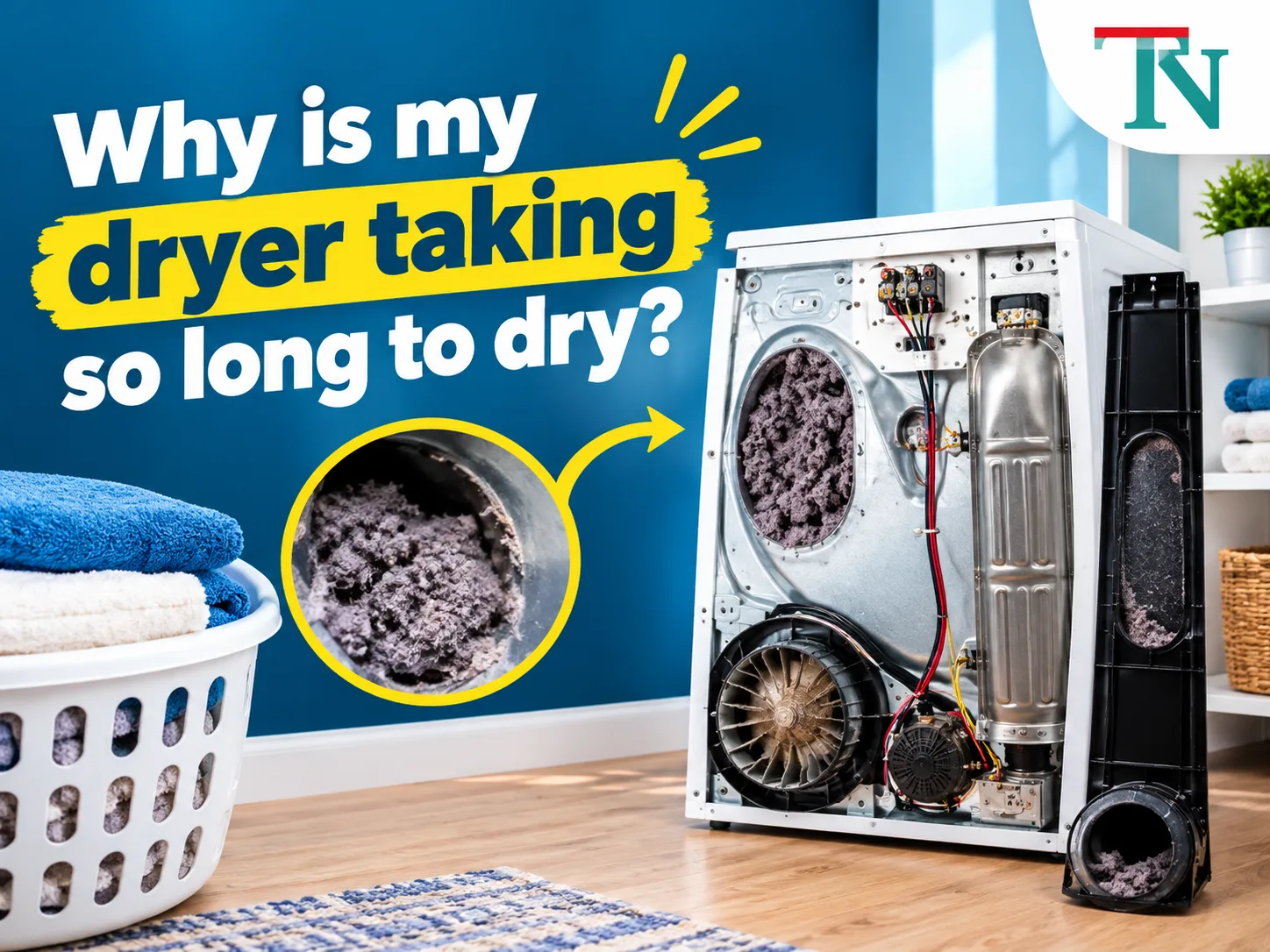
Why Is My Dryer Taking So Long to Dry Clothes? 9 Causes and Fixes
Clothes still damp after a full cycle? Learn why your dryer takes so long, from a clogged vent to a bad heating element, and how to fix it safely.
7 min read
More guides you may need
Home Problems
Electric Stove Burner Won't Turn Off? Causes and Safe Fixes
Electric stove burner stuck on high or won't shut off? Turn off the power first, then learn if it's the burner switch, a relay or a hot-surface light.
5 min read

Home Problems
Garage Freezer Keeps Tripping the GFCI? Causes and Fixes
Chest or upright freezer tripping the GFCI in your garage? Learn why defrost heaters and door seals leak, what to test and how to protect your frozen food.
5 min read