Bathroom Fan Not Pulling Air? Causes and Fixes
Bathroom exhaust fan weak, loud or not pulling air? Do the tissue test, clean the grille and check the duct and outside vent. Here is what to fix first.
On this page
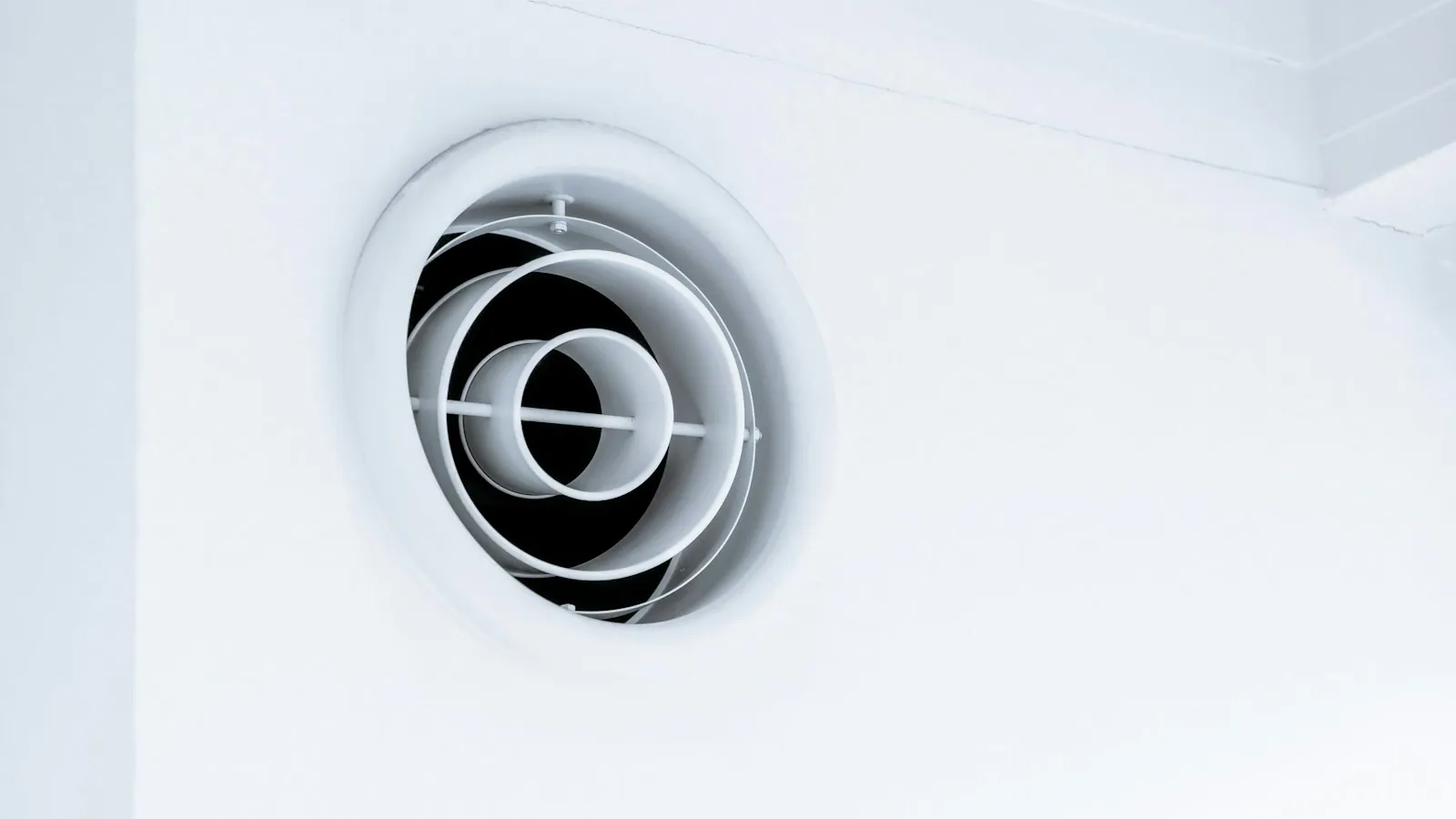
A bathroom fan that is not pulling air is usually clogged with dust, or its duct is crushed, disconnected or blocked at the outside vent. Do a tissue test, turn the power off and clean the grille and blades, then check that air exits outside. If airflow is still weak, the fan may be too small or worn out.
A weak bathroom fan leaves moisture in the room, and that leads to mold, peeling paint and a musty smell. The good news is that most fixes are easy and cheap.
Why is my bathroom fan not pulling air?
- Dust and lint on the grille or blades. The most common cause. A layer of dust blocks airflow and slows the motor.
- A crushed or disconnected duct. The duct in the attic or ceiling can sag, kink or come loose.
- A blocked outside vent. A stuck damper, a bird nest, snow or lint can plug the outlet.
- A duct that is too long or has too many bends. Every bend and extra foot reduces airflow.
- A fan that is too small. A low-capacity fan will never keep up in a large bathroom.
- A tired motor. Old motors lose speed, get louder and eventually fail.
- A fan that vents into the attic. This is a problem. Moisture ends up in the attic, not outside.
Do the tissue test
Turn the fan on and hold a square of toilet tissue flat against the grille.
| Result | What it means |
|---|---|
| Tissue sticks firmly | Fan is pulling air |
| Tissue droops or flutters | Weak airflow |
| Tissue falls | Very weak or no airflow |
| Fan runs but is very loud | Dust, loose parts or worn motor |
| Fan does not run at all | Switch, wiring or dead motor |
How to fix it
- Turn off the power. Switch off the fan at the breaker, not just the wall switch.
- Remove the grille. Most pull down and release with two spring clips. Some have a screw.
- Wash the grille. Use warm soapy water and let it dry fully.
- Clean the blades and housing. Vacuum with a brush attachment, then wipe with a damp cloth. Do not use a lot of water around the motor.
- Tighten the screws. Check that the housing is firmly fixed to the joist. Loose parts rattle and buzz.
- Check the outside vent. Go outside and look at the vent cap. Remove nests, lint or debris, and make sure the flap opens freely.
- Check the duct. In the attic, look for a duct that has come off the fan, is crushed or has sagged. Reconnect it and support it so it runs slightly downhill toward the outside.
- Repeat the tissue test. If it holds firm, you are done.

What if the fan is too loud?
Noise usually comes from dust on the blades, loose screws or a worn motor. Cleaning and tightening solve most of it. If the fan is old and still loud, a new one with a low sone rating (a measure of loudness, lower is quieter) is a worthwhile upgrade. Many modern fans run quietly and use less power.
An oversized fan can also be noisy because it pulls hard against the room. A properly sized fan is usually quieter.
Is the fan the right size?
A common rule of thumb is about 1 CFM (cubic feet per minute) for each square foot of floor area, for bathrooms up to roughly 100 square feet. A 5 by 8 foot bathroom is 40 square feet, so a fan rated at 50 CFM would be the minimum. Long duct runs, many bends and high ceilings call for a higher rating. Check the sticker on the fan housing for its CFM.
Why it matters
A weak fan lets steam condense on walls, ceilings and windows. Over time that causes peeling paint and mold. If your bathroom smells musty, read the cause of a musty bathroom smell. If windows are streaming with water, see windows that stay wet with condensation.
When to call a professional
Call an electrician or a bath fan installer if:
- The fan does not run at all, even though the switch works.
- You find that the duct vents into the attic instead of outside.
- The duct run is long and needs to be rerouted.
- You smell burning, or the fan hums but does not turn.
- You want a bigger fan, or a fan with a humidity sensor installed.
What not to do
- Do not vent a bathroom fan into the attic.
- Do not use a fan with a damaged cord or wiring.
- Do not clean a fan while the power is on.
- Do not ignore mold on the ceiling around the fan.
Bottom line
Do the tissue test, clean the fan and check the outside vent. Dust and a blocked vent cause most weak fans. If airflow is still poor, look for a loose or crushed duct, then consider a bigger or newer fan. If your whole house feels sticky, read why a house stays humid. A tidy home also helps, as in keeping a house from getting so dusty.
Sources
This guide was checked against these official and manufacturer sources.
Frequently asked questions
How do I know if my bathroom fan is working properly?
Hold a square of tissue against the grille while the fan runs. If it sticks, the fan pulls air. If it droops or falls, airflow is weak.
Why is my bathroom fan so loud?
Dust on the blades or motor, loose screws or a mounting problem are common. An old motor with worn bearings also gets loud.
How long should I run the bathroom fan after a shower?
Many guides suggest about 20 minutes after the shower to clear moisture, though it depends on the fan and the room.
What size bathroom fan do I need?
A common rule is about 1 CFM per square foot of floor area for bathrooms up to roughly 100 square feet. Larger bathrooms and long duct runs need more.

Written by
Agha Ali Abbas
Agha Ali Abbas is the founder and editor of TimeToNote. He has worked in SEO and content writing for 18 years, and he checks every guide against manufacturer documentation and official sources before it goes live.
Related guides

Home Problems
Why Does My Room Smell Musty? Causes and How to Get Rid of the Smell
A musty smell almost always means damp air and mold or mildew nearby. Learn how to find the source, remove the smell, and stop it from coming back.
8 min read
Home Problems
Why Is There Condensation on My Windows? Causes and How to Stop It
Water on the inside of your windows every morning? Learn why windows sweat, what condensation between the panes means, and simple ways to stop it and prevent mold.
7 min read
Home Problems
House Still Humid With the AC On? 8 Reasons and How to Fix It
Your AC is running but the house still feels damp and sticky? Learn why it happens, from an oversized AC to a dirty filter, and easy ways to lower indoor humidity.
7 min read
More guides you may need

Home Problems
Countertop Ice Maker Not Working? Fixes for Frigidaire, Gevi, Opal and Others
Portable ice maker runs but makes no ice, or the lights flash? Reset it, clean the sensor and pump, check the water and descale. Fixes for most countertop brands.
6 min read
Home Problems
Dishwasher Won't Start? No Lights, No Sound: Causes and Fixes
Dishwasher won't start or the panel is dead? Check power, the door latch, the control lock and a hard reset before you call for service. Steps for most brands.
4 min read