Radiator Not Heating Up? Steam and Hot Water Fixes
Radiator not heating up, or cold at the top or bottom? First find out if you have steam or hot water, because the fixes are different. Steps for both systems.
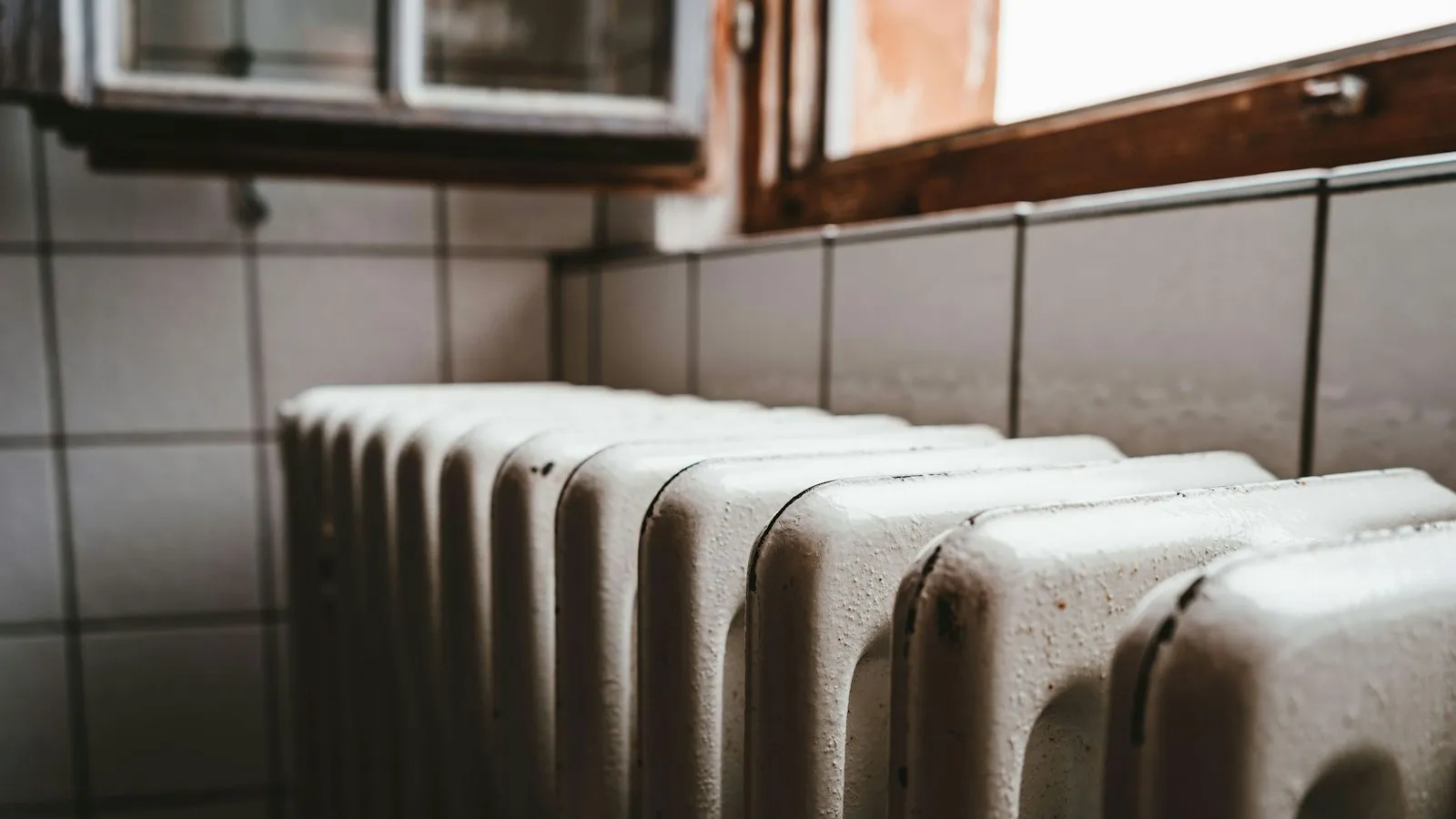
On this page
A radiator that will not heat up has a different cause depending on your system. On a hot water system, a cold top means trapped air (bleed it), a cold bottom means sludge, and a fully cold radiator can be a stuck valve or low boiler pressure. On a steam system, the usual culprit is a stuck or clogged air vent. Identify your system first.
A lot of online advice about radiators comes from the UK, where hot water radiators are standard. In the US, many older homes have steam heat, and the fix for a steam radiator can be the opposite of the fix for a hot water one. This guide covers both.
First: do you have steam or hot water?
| Clue | Steam | Hot water (hydronic) |
|---|---|---|
| Air vent | A small valve on the side of the radiator, often with a cap | No vent on the side |
| Bleed valve | None | A small valve at the top corner with a square or slotted stem |
| Pipes | One or two pipes, usually thicker | A pipe at each bottom end |
| Sound | Hissing as it heats, sometimes banging | Quiet, with some gurgling |
| Boiler | Often has a glass water gauge | Has a pressure gauge, usually a dial |
If you cannot tell, check the boiler gauges or take a clear photo of the radiator and its valves to show a technician.
If you have a hot water radiator
Cold at the top, warm at the bottom: trapped air
Air rises and collects in the top of the radiator, blocking hot water. The fix is to bleed it. Our guide on step-by-step radiator bleeding shows the steps, and you will need a radiator key and a cloth.
Cold at the bottom, hot at the top: sludge
Rust and debris settle at the bottom and block circulation. A flush clears it, and this is usually a job for a heating professional.
Cold all over: valve, pressure or pump
- A stuck valve. Valves can seize if they sit closed all summer. Check that the valve and the thermostatic valve (TRV) are open and turned to a warm setting. If the pin is stuck, a plumber can free it.
- Low boiler pressure. Check the pressure gauge on the boiler. Many residential systems sit at a fairly low pressure when cold, often in the neighborhood of 12 to 15 psi, but check your manual. If it is well below that, the system may be leaking or may need to be topped up by a professional.
- A failed circulator pump or zone valve. If a whole zone is cold and others work, a pump or zone valve may have failed.
- No heat from the boiler. If every radiator is cold, check the boiler first. See finding a heating technician.
If you have a steam radiator
Steam heating works differently. The boiler makes steam that rises through pipes into the radiators, and air must escape through a vent so steam can fill the radiator.
Cold, or only warm at one end: a stuck or clogged air vent
This is the most common cause. If the air vent is clogged, the radiator cannot fill with steam. Signs are a radiator that stays cold or heats only partway. The fix is to replace the vent, which screws on and off. They are available at hardware stores, and the right one depends on your radiator. Let the system cool and use gloves.
The supply valve is partly closed
On a one-pipe steam system, the radiator valve should be fully open or fully closed. Partly closed valves cause hissing, spitting and uneven heat. Open it fully.
The radiator is not tilted correctly
A one-pipe steam radiator should tilt slightly toward the supply valve so that condensed water runs back out. If it tilts the wrong way, water collects and the radiator can bang and heat poorly. Many people add a small shim under the legs at the end farthest from the valve. A professional can check the pitch.
Water hammer
Banging and clanking mean water is trapped in the pipes. Pitch problems and open valves are common reasons.
The boiler is low on water or off
A steam boiler needs the right water level. If it is low, there is not enough steam. If you are comfortable, check the sight glass. Otherwise call a technician.
What the symptom tells you
| What you notice | System | Likely cause |
|---|---|---|
| Cold at the top, warm below | Hot water | Trapped air. Bleed it |
| Cold at the bottom, hot above | Hot water | Sludge. Flush |
| Whole radiator cold, others fine | Either | Valve closed or stuck, or a vent problem |
| Only one end warm | Steam | Clogged air vent |
| Hissing and spitting at the valve | Steam | Partly closed valve |
| Banging and clanking | Steam | Water trapped, bad pitch |
| Every radiator cold | Either | Boiler, pump or low water |
How to fix it
- Confirm the boiler is on and the thermostat is set above the room temperature.
- Identify your system using the table above.
- Check the radiator valve. Make sure it is fully open.
- For hot water, bleed the radiator with the heating off, and watch the boiler pressure after.
- For steam, check the air vent, and replace it if it is clogged. Do not bleed.
- Check the pitch of a steam radiator.
- Look at the gauges on the boiler. Low pressure or low water means a technician.
- Call a professional for sludge, pump or zone problems, and anything involving the boiler.
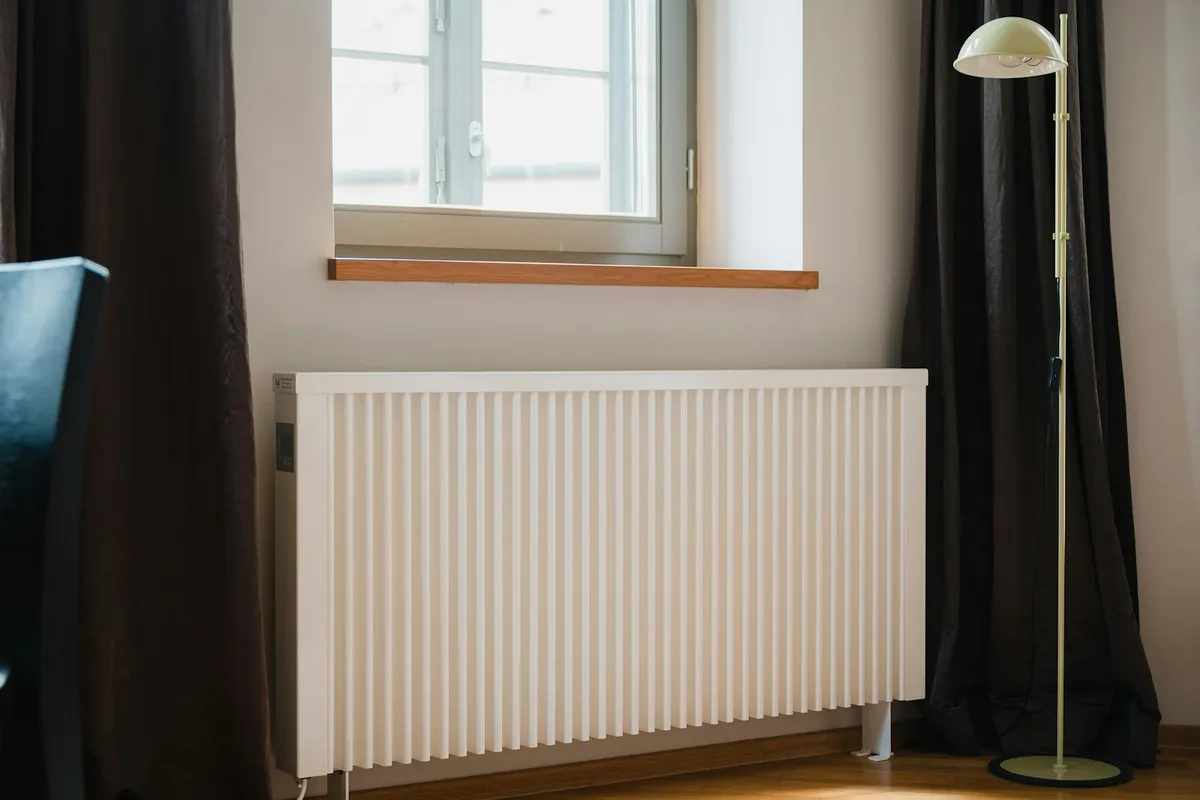
Is it worth repairing or upgrading?
Bleeding a radiator and swapping an air vent are inexpensive. A flush, a new pump or a zone valve is a moderate cost. A boiler repair or replacement is a major one. If your boiler is 20 years old or more, and it needs repair, ask a heating professional about a replacement, and about service plans. An annual boiler service can catch problems before a cold snap, and many technicians are busy in winter, so it is wise to book early.
When to call a professional
Call a licensed heating technician if:
- Every radiator is cold, or the boiler will not fire.
- The boiler pressure or water level is wrong.
- You smell gas or burning, or hear loud banging from the boiler. Leave and call your gas utility if you smell gas.
- Sludge is blocking several radiators.
- A radiator leaks.
- You are not sure whether you have steam or hot water.
Cold pipes can also freeze, so if your radiators go cold in a cold snap, see protecting pipes in a cold snap.
What not to do
- Do not bleed a steam radiator.
- Do not open a boiler's panels or touch gas parts.
- Do not leave a leaking radiator running.
- Do not close radiator valves partway on a steam system.
Bottom line
First work out whether you have steam or hot water. A cold top on hot water is air, so bleed it. A cold radiator on steam is usually a stuck air vent, so replace it. If every radiator is cold, the problem is the boiler, not the radiator. Drafty rooms also feel cold, so sealing drafts around windows and doors can help.
Sources
This guide was checked against these official and manufacturer sources.
Frequently asked questions
Why is my radiator cold at the top but warm at the bottom?
On a hot water system, air is trapped at the top. Bleeding the radiator releases it. Do not bleed a steam radiator.
Why is my radiator cold at the bottom but hot at the top?
On a hot water system, sludge or rust settles at the bottom and blocks flow. It usually needs a professional flush.
How do I know if I have steam or hot water radiators?
Steam radiators have a small air vent on the side that hisses, and one pipe or two. Hot water radiators have a small bleed valve at the top and usually a smaller pipe on each end.
Should I bleed a steam radiator?
No. Steam radiators do not have bleed valves in the same way. They release air through an air vent, and bleeding can release hot steam or water.

Written by
Agha Ali Abbas
Agha Ali Abbas is the founder and editor of TimeToNote. He has worked in SEO and content writing for 18 years, and he checks every guide against manufacturer documentation and official sources before it goes live.
Related guides
Home Problems
How to Bleed a Radiator: Easy Steps to Get Rid of Cold Spots
Radiator cold at the top or not heating well? Learn how to bleed a hot water radiator in 8 steps, what tools you need, and how to check boiler pressure after.
7 min read
Home Problems
Who to Call if Your Heat Is Not Working (Renters and Homeowners)
No heat at home? Renters call the landlord and, if ignored, the city. Owners check the thermostat, breaker and filter, then call an HVAC technician. Emergency steps too.
6 min read
Home Problems
How to Keep Pipes From Freezing (and What to Do If They Do)
Stop frozen pipes before they burst. Learn which pipes freeze first, when to drip faucets, how to winterize outdoor spigots, and how to thaw a frozen pipe safely.
7 min read
More guides you may need
Home Problems
Washing Machine Shaking Violently During Spin? Causes and Fixes
Washer shaking or walking across the floor on spin? Fix an unbalanced load, level the feet and check shipping bolts and suspension. Here is the full checklist.
4 min read
Home Problems
Water Heater Keeps Tripping the Breaker? Causes and What to Do
Electric water heater tripping the breaker? A failed heating element or ground fault is the usual cause. Learn the safe checks and when to call a pro.
2 min read