Why Is My House So Dusty? 12 Common Causes and How to Fix Them
Dust coming back days after you clean? Learn the 12 most common reasons your house is so dusty and the simple changes that really cut dust down.

On this page
Your house is so dusty because dust is coming in or being made faster than you are removing it. The most common reasons are a dirty air filter, dust blowing in through gaps around windows and doors, shoes worn inside, pets, carpets, and cleaning methods that move dust around instead of picking it up.
A little dust is normal in every home. But if you can write your name in dust on a shelf just a few days after you clean, something is feeding it. The good news is that most of the causes are easy to find, and most of the fixes are cheap.
This guide explains what dust is made of, the 12 most common reasons it builds up fast, and what to change first.
What is house dust made of?
House dust is a mix of many tiny things. The mix is different in every home, but it usually includes:
- Dirt and pollen from outside that comes in on shoes, clothes, pets, and through doors and windows
- Tiny bits of fabric from carpets, rugs, bedding, towels, clothes, and furniture
- Pet hair and dander (tiny flakes of skin from animals)
- Human hair and skin flakes
- Smoke and cooking bits from the stove, candles, and fireplaces
- Dust mite and bug pieces, especially in humid homes
This tells us something important. Dust has two ways to build up. It gets brought in from outside, or it gets made inside. To have less dust, you need to work on both.
12 reasons your house is so dusty
1. Your air filter is dirty or too basic
If your home has central heating or air conditioning with air vents, all the air in your house passes through a filter many times a day. A clogged filter cannot catch dust anymore. A very cheap, thin filter only catches big pieces and lets fine dust through.
What to do:
- Find your filter. It is often in a slot near the furnace or behind a vent grill on a wall or ceiling.
- If it looks gray and dirty, replace it.
- Check it every month. Most filters need to be changed every 1 to 3 months, or more often with pets.
- If your system can handle it, use a pleated filter with a MERV rating of about 8 to 13. Higher numbers catch smaller dust. Check your system's manual first, because some older systems cannot push air through a very thick filter.
2. Dust is blowing in from outside
Small gaps around windows, doors, attic hatches, and pipes let outdoor dust into your home. This is worse if you live near a busy road, a farm, a dirt road, or a building site.
What to do:
- On a windy day, hold your hand near closed windows and doors. If you feel a draft, dust can get in there too.
- Seal gaps with weatherstripping and add a door sweep to the bottom of outside doors.
- Keep windows closed on windy days or when there is work going on nearby.
These fixes also help lower your heating and cooling bills.
3. People wear shoes inside
Shoes pick up dirt, sand, and pollen everywhere you walk. Then they drop it on your floors and rugs.
What to do:
- Put a doormat outside every door and a second mat just inside.
- Take shoes off at the door. Keep a shoe rack and a basket of slippers nearby to make it easy.
- Shake out or vacuum your mats a few times a week.
4. You have pets
Dogs and cats shed hair and dander all the time. They also carry in dirt on their paws and fur.
What to do:
- Brush your pets often, outside if you can.
- Wipe their paws when they come inside.
- Wash pet beds and blankets every week.
- Vacuum the places where pets sleep and hang out more often.
5. You have lots of carpet, rugs, and fabric
Carpet and fabric shed tiny fibers, and they also trap dust like a sponge. Every time someone walks across a rug, some of that dust gets kicked back into the air. Thick rugs, heavy curtains, lots of pillows, and piles of blankets all add up.
What to do: You do not have to pull up your carpet. Just vacuum carpets and rugs more often than hard floors, at least twice a week in busy rooms. Wash throw blankets and pillow covers regularly.
6. Your cleaning is moving dust around
This is the cause most people miss. A feather duster or a dry cloth mostly pushes dust into the air. A few hours later, it lands right back on your furniture. Vacuums without a good filter can blow tiny dust out the back. And if you clean the floor first, then dust the shelves, the dust falls onto the floor you just cleaned.
What to do:
- Dust with a slightly damp microfiber cloth. It grabs dust instead of spreading it.
- Clean from top to bottom: shelves and furniture first, floors last.
- Use a vacuum with a HEPA filter, and empty it before it gets full.
Our step-by-step guide on how to clean a dusty house the right way walks you through the best order and tools.
7. The air is too dry
When the air is very dry, static electricity builds up. Static makes dust stick to TVs, screens, plastic, and fabric. Dry air is common in winter when the heat is on.
What to do: Keep indoor humidity between about 30% and 50%. That is the range the U.S. Environmental Protection Agency (EPA) recommends. A cheap device called a hygrometer tells you the humidity. If it is below 30%, a humidifier can help.
8. The air is too humid
Air that is too damp causes a different problem. Dust mites love humid air. They are tiny bugs that live in bedding, carpets, and furniture, and their waste is a big part of dust for many people with allergies. Damp air can also lead to mold.
What to do: If your humidity is often above 50%, use a dehumidifier or run the air conditioner. Use exhaust fans when you shower and cook. If your home smells damp too, our guide on why a room smells musty explains how to dry it out.
9. Your bedding is a dust factory
You spend hours in bed each night. Your sheets and pillows collect skin flakes, hair, and sweat. Dust mites feed on that, and they multiply fast.
What to do:
- Wash sheets and pillowcases every week in hot water.
- Wash blankets and comforters every few weeks.
- Use zippered covers on your mattress and pillows to keep dust mites out.
- Vacuum under the bed, where dust gathers without anyone noticing.
10. Your vacuum is not doing its job
An old vacuum, a full bag, a clogged filter, or a worn brush roll can leave a lot of dust behind. Some vacuums also leak dust out of the sides or back.
What to do:
- Empty the bin or change the bag when it is about two-thirds full.
- Wash or replace the filter as the maker suggests.
- Cut hair and thread off the brush roll.
- If your vacuum is very old, a new one with a sealed HEPA system can make a big difference.
11. There is too much clutter
Piles of papers, books, toys, and knickknacks give dust more places to land. They also make cleaning slow, so it gets done less often.
What to do: Clear off tables and shelves you use every day. Store small items in closed boxes, bins, or cabinets. Fewer things out in the open means faster dusting.
12. Something in the house is making extra dust
Some things add a lot of dust without you noticing:
- Recent remodeling can leave fine dust in air ducts, walls, and carpets for weeks.
- A dryer vent that is loose or leaking can blow lint into the house.
- Candles, incense, and fireplaces add soot to the air.
- Old air ducts with leaks can pull in dust from the attic or crawl space.
What to do: Check that your dryer vent is tightly connected and goes outside. After remodeling, change your air filter and vacuum often for a few weeks. Burn fewer candles, or trim wicks short.
What to fix first
If you are not sure where to start, begin at the top of this list. The first few steps usually help the most.
- Change your air filter and set a reminder to check it monthly.
- Switch to a damp microfiber cloth for dusting.
- Use a HEPA vacuum and vacuum rugs at least twice a week.
- Stop dust at the door with two mats and a no-shoes rule.
- Seal gaps around windows and doors.
- Wash bedding every week in hot water.
- Keep humidity between 30% and 50%.
- Add a HEPA air purifier to the bedroom or living room. Pick one sized for your room. Look for its CADR number on the box.
- Clear off surfaces so they are quick to wipe.
Should you get your air ducts cleaned?
Most people do not need to. The EPA says duct cleaning has not been shown to prevent health problems, and ducts do not need to be cleaned on a set schedule. Changing your air filter on time usually helps much more.
Duct cleaning may be worth it if:
- You can see mold inside the ducts
- There are signs of mice, rats, or bugs in the ducts
- Dust and debris are actually blowing out of the vents
When dust can be a sign of something else
Most dusty homes just need the changes above. But talk to a professional if:
- Dust suddenly shows up in large amounts
- The dust is gritty, black, or an unusual color
- You see black marks around vents or near the furnace or water heater, which can come from fuel-burning appliances
- The dust comes with a damp or musty smell
- Someone in your home has allergy or breathing symptoms that are getting worse
A heating and cooling technician can check your furnace and air system. A doctor can help with allergies.
Summary: how to cut down on dust
A dusty house usually comes down to a few simple things: a dirty air filter, dust coming in from outside, pets, fabric, and cleaning methods that spread dust around. Start by changing your filter, dusting with a damp cloth, and using a good vacuum. Add a doormat, a no-shoes rule, and weekly bedding washes. Within a few weeks, you should notice a lot less dust on your shelves.
Related: dry winter air is easy to fix with a humidifier, as long as you keep it clean. See how to clean a humidifier.
Sources
This guide was checked against these official and manufacturer sources.
Frequently asked questions
Is most house dust really dead skin?
No. Dead skin is only one part of house dust. Dust is a mix of dirt and pollen from outside, tiny bits of fabric, pet hair and dander, hair, and bits of food and bugs. In many homes, a big part of the dust comes from outdoors.
Why is my house dusty even though I clean every week?
Usually it is because your cleaning moves dust around instead of picking it up, or because something keeps adding new dust. Common causes are dry dusting, a vacuum without a good filter, a dirty air filter in your heating and cooling system, shoes worn inside, pets, and gaps around doors and windows.
Does an air purifier help with dust?
Yes, a purifier with a true HEPA filter catches tiny dust particles floating in the air. This helps people with allergies and slows down how fast dust lands on things. It does not clean dust that is already on surfaces, so you still need to dust and vacuum.
How often should I change my air filter to reduce dust?
Most home air filters should be checked every month and changed every 1 to 3 months. Change it more often if you have pets, allergies, or live near a busy road or construction.

Written by
Agha Ali Abbas
Agha Ali Abbas is the founder and editor of TimeToNote. He has worked in SEO and content writing for 18 years, and he checks every guide against manufacturer documentation and official sources before it goes live.
Related guides
Home Problems
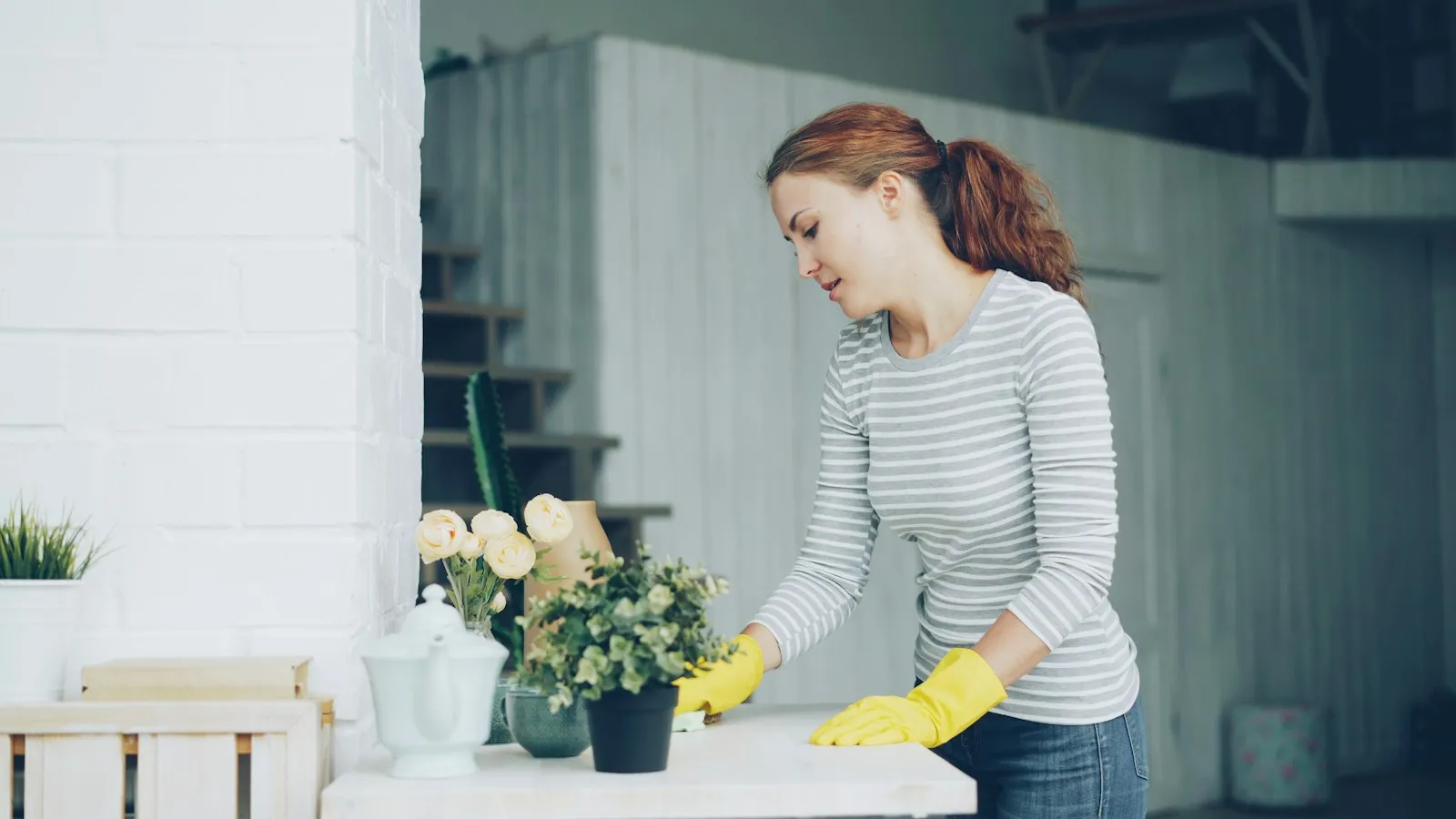
How to Clean a Dusty House: An Easy Step-by-Step Method
Clean a dusty house the right way: top to bottom, dry to wet, with tools that trap dust. Includes a room-by-room checklist and a simple weekly routine.
8 min read
Home Problems
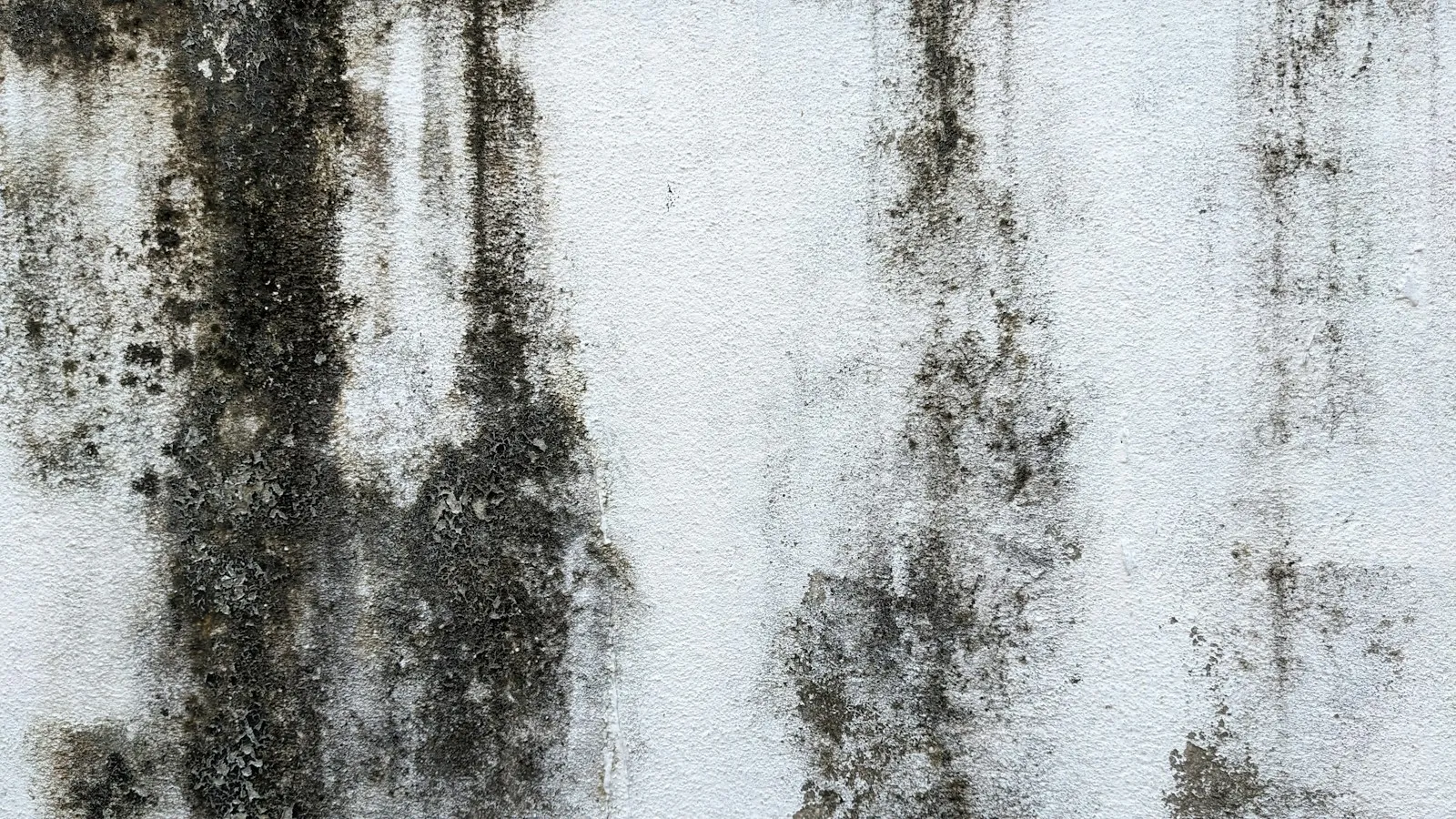
Why Does My Room Smell Musty? Causes and How to Get Rid of the Smell
A musty smell almost always means damp air and mold or mildew nearby. Learn how to find the source, remove the smell, and stop it from coming back.
8 min read
Home Problems
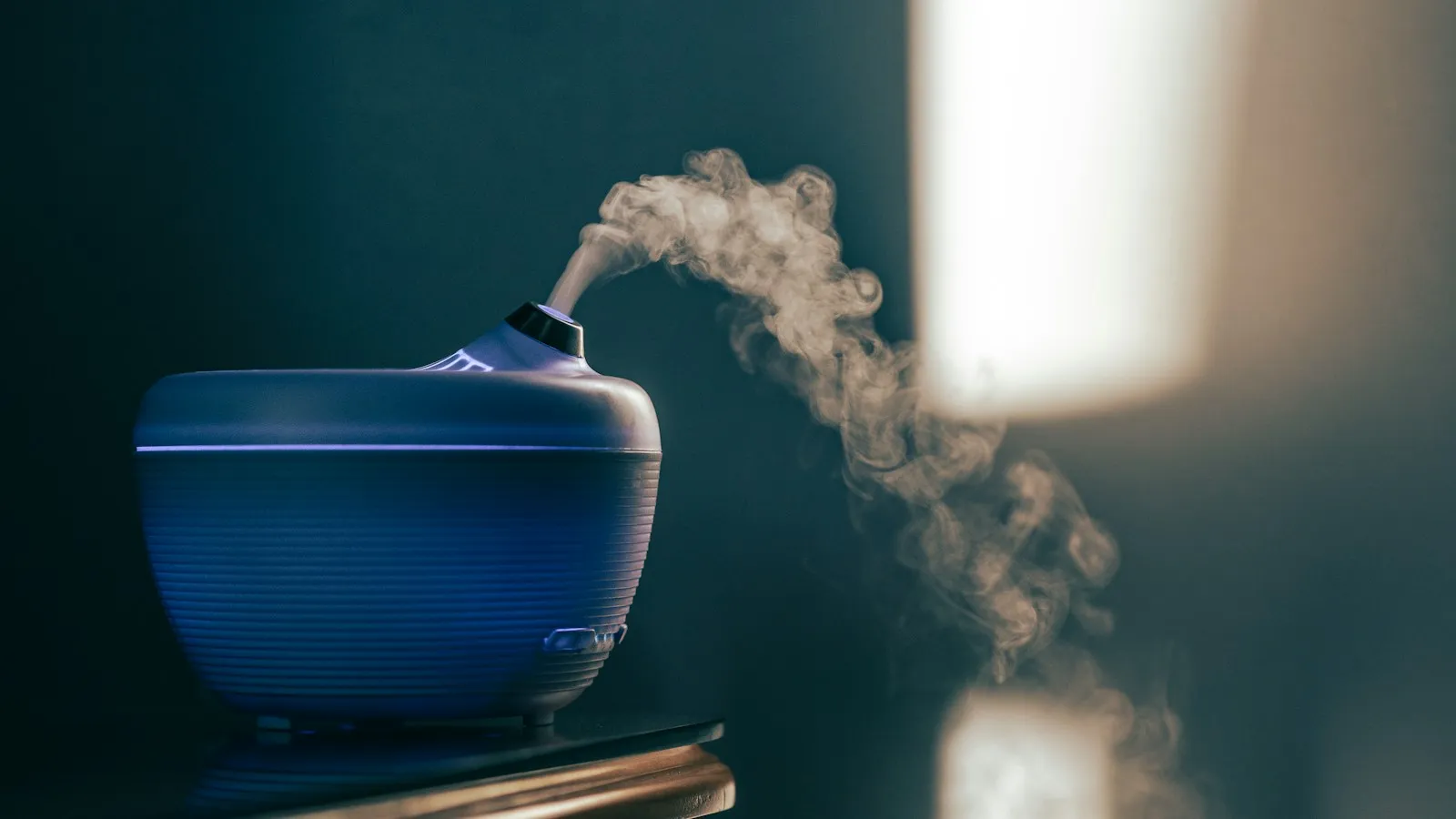
How to Clean a Humidifier: Step-by-Step Guide With Vinegar
Learn how to clean a humidifier with vinegar in 7 steps, how often to do it, what water to use, and how to remove pink slime, white dust, and bad smells.
7 min read
More guides you may need
Home Problems
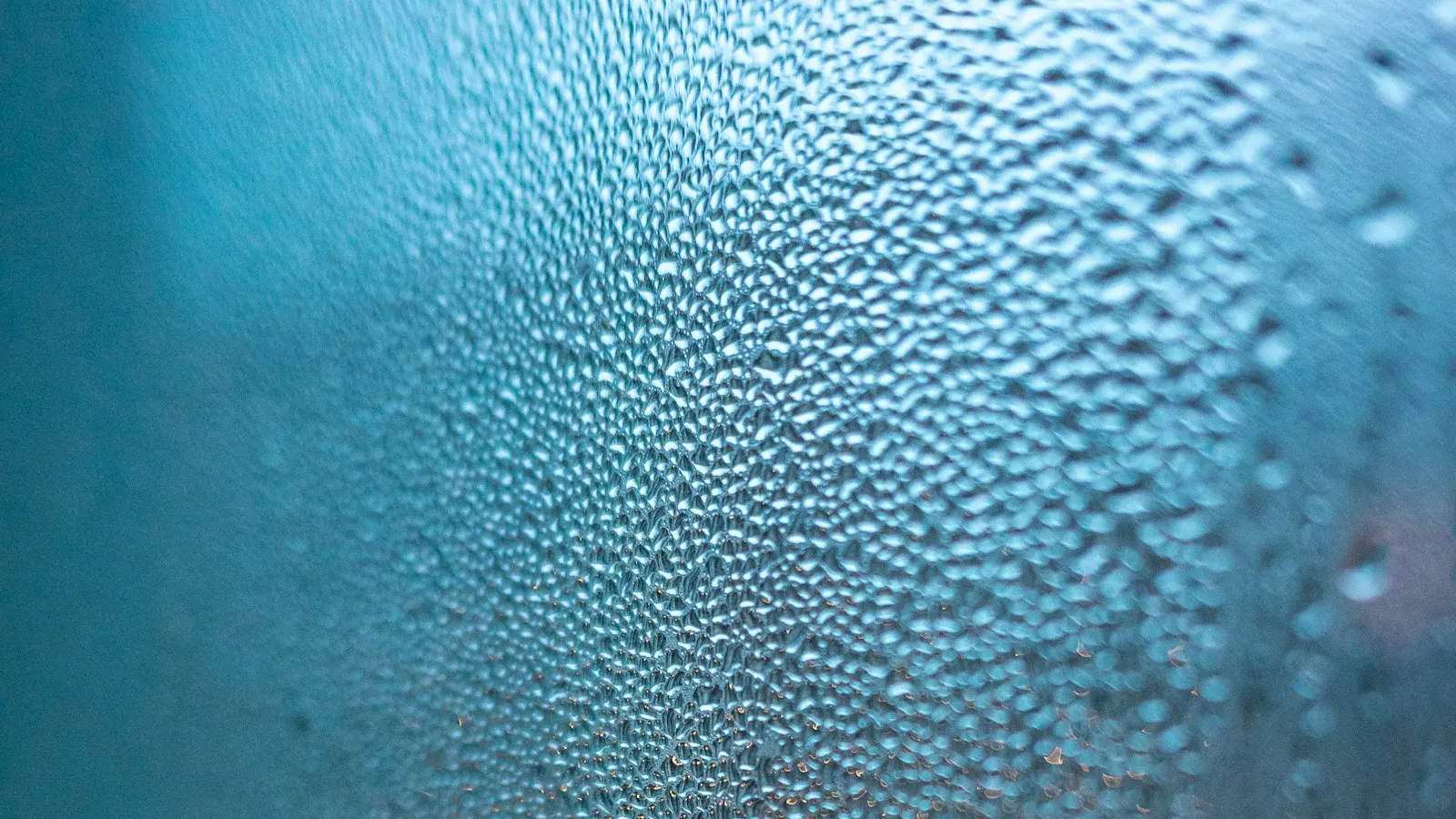
Why Is My Dehumidifier Running but Not Collecting Water? 9 Fixes
Dehumidifier running but the bucket stays empty? Check the room humidity, temperature, frozen coils, filter and sensor, then test the compressor. Step by step.
9 min read
Home Problems
Why Is My Dishwasher Leaving White Residue on Dishes? 8 Fixes
Dishwasher leaving a white film or residue on dishes? Learn if it is hard water or etching, how to test it with vinegar, and 8 fixes that work.
8 min read