Why Does My House Smell Like Sewage? 9 Causes and Easy Fixes
A sewage smell in your house usually comes from a dry drain trap, a bad toilet seal, or a blocked vent. Find the cause fast and fix it with these simple steps.
On this page
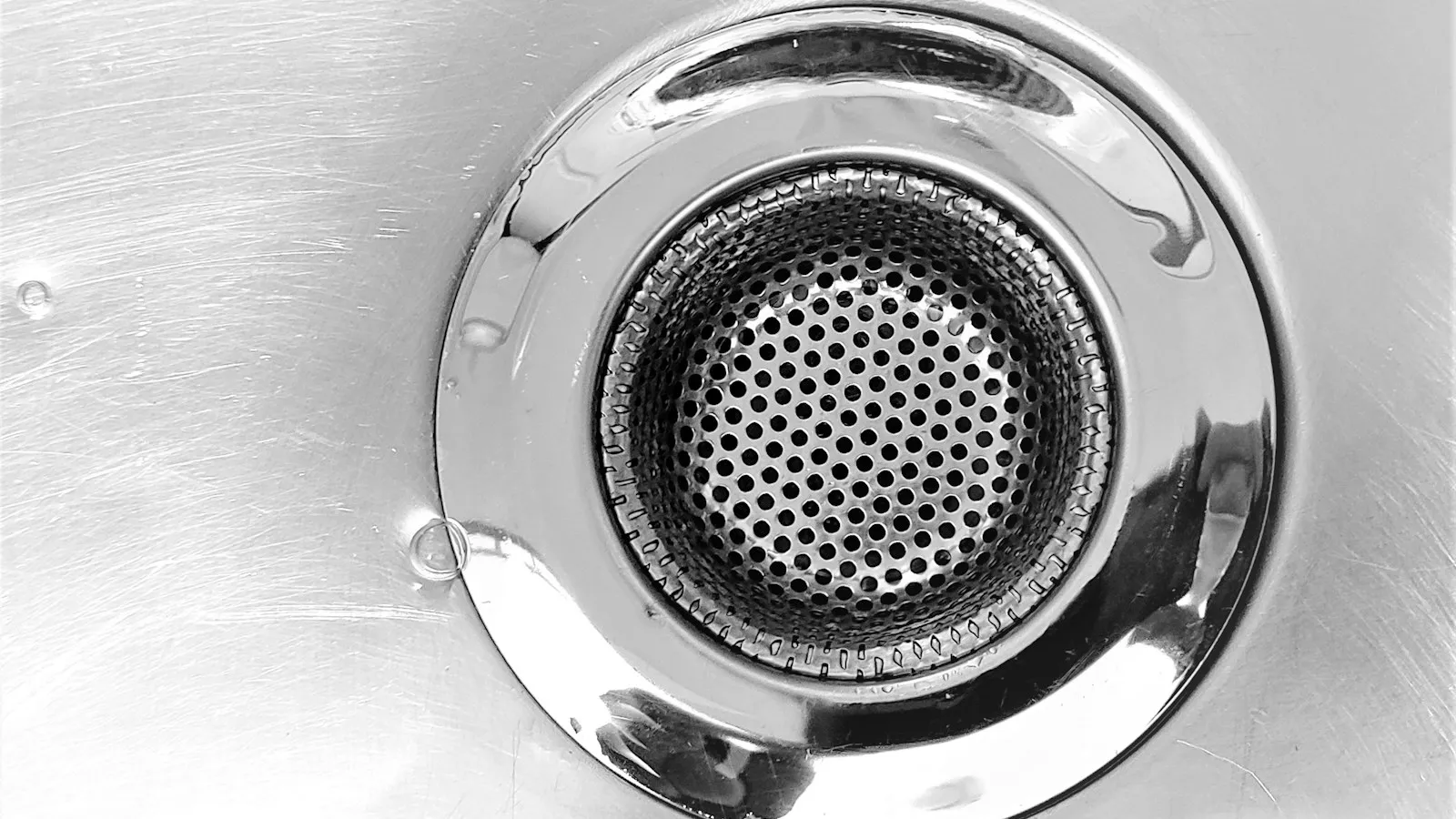
If your house smells like sewage, the most common cause is a dry drain trap. Every sink, tub, and floor drain has a curved pipe that holds a little water. That water blocks sewer gas from coming into your home. When the water dries up, the smell gets in.
Other common causes are a broken seal under the toilet, a blocked vent pipe on the roof, or a clogged drain. The good news is that most of these problems are easy to find. Some take less than a minute to fix.
This guide will help you find where the smell is coming from, fix it step by step, and know when it is time to call a plumber.
What sewer gas is and why it smells so bad
Sewer gas is the air that builds up inside sewer pipes and septic tanks. It forms when waste breaks down. It is a mix of gases, including:
- Hydrogen sulfide, which smells like rotten eggs
- Methane, which has no smell but can burn
- Ammonia, which has a sharp smell
Your plumbing is built to keep this gas outside. Two things do most of the work. The first is the drain trap, which holds water like a plug. The second is the vent pipe, which sends the gas up and out through your roof. When either one stops working, the gas can leak into your home.
A small amount of sewer gas is mostly just unpleasant. But breathing it for a long time can give you headaches, make you feel sick to your stomach, or make you tired. That is why it is smart to fix the problem instead of covering it with air freshener.
Quick check: where is the smell strongest?
Before you fix anything, walk around your house and sniff. The place where the smell is strongest is usually close to the cause. Use this table to narrow it down.
| Where you smell it | Most likely cause | Try this first |
|---|---|---|
| Near a sink, tub, or shower you rarely use | Dry drain trap | Run water for 30 seconds |
| Around the base of a toilet | Bad wax ring or loose toilet | Check if the toilet rocks |
| In the basement or laundry room | Dry floor drain | Pour a bucket of water into it |
| At the bathroom sink | Dirty overflow hole | Clean the small hole near the rim |
| Only when using hot water | Water heater problem | Smell hot and cold water separately |
| All over the house, drains gurgle | Blocked vent or sewer line | Call a plumber |
| Outside near the yard or septic tank | Full or damaged septic system | Call a septic company |
9 reasons your house smells like sewage
1. A drain trap has dried out
Look under your bathroom sink. You will see a pipe that bends into a U or a J shape. This is the P-trap. It always holds a little water, and that water is what blocks the smell.
If a sink, tub, or floor drain is not used for a few weeks, the water slowly dries up. Guest bathrooms, basement showers, and floor drains are the usual suspects. This is the number one cause of sewer smells, and it is also the easiest to fix.
How to fix it:
- Run water down every drain in the house for about 30 seconds.
- For floor drains, pour in a bucket or large pitcher of water.
- For drains you rarely use, add about 1 tablespoon of mineral oil or cooking oil after the water. The oil floats on top and slows down drying.
- Set a reminder to run water in those drains once a week.
If the smell goes away within an hour, you found the problem.
2. The toilet wax ring is broken
Under every toilet is a soft ring made of wax or foam. It seals the toilet to the drain pipe in the floor. Over time the ring can crack, shift, or dry out. When that happens, sewer gas can leak out around the base of the toilet.
Signs of a bad wax ring:
- The smell is strongest near the bottom of the toilet
- The toilet rocks or moves when you sit on it
- There is water on the floor around the toilet after you flush
- The floor near the toilet is stained or feels soft
How to fix it: Replacing a wax ring means taking the toilet off the floor. A new ring costs only a few dollars at a hardware store. If you are handy, you can do it in about an hour. If not, a plumber can do it quickly. If the floor is soft, call a plumber, because water may have damaged the wood underneath.
3. The toilet is loose or cracked
Even with a good wax ring, a loose toilet can break the seal. Check the two bolts at the base of the toilet. They are often under small plastic caps. If they are loose, tighten them a little at a time. Do not overtighten them, or the toilet can crack.
Also look for cracks in the toilet bowl or tank. A small crack can leak water and let smells escape. A cracked toilet needs to be replaced. If the toilet keeps refilling or hissing, that is a different problem. See why a toilet keeps running.
4. The sink overflow is dirty
Many bathroom sinks have a small hole near the top edge. This is the overflow. It stops the sink from spilling over. Soap, hair, and gunk can build up inside it. Bacteria grow there and make a smell a lot like sewage.
How to fix it:
- Mix a few drops of dish soap with warm water.
- Use a small bottle brush or a pipe cleaner to scrub inside the overflow hole.
- Pour a mix of half a cup of baking soda and one cup of white vinegar into the overflow. Let it fizz for 15 minutes.
- Rinse with hot tap water.
5. A drain is clogged with gunk
Hair, soap, grease, and food can stick to the inside of drain pipes. This slimy layer is called biofilm. It smells bad on its own and can also slow your drain down. Shower drains and kitchen sinks are the most common places for this.
How to fix it:
- Pull out any hair you can reach with a drain hair tool or bent wire.
- Pour half a cup of baking soda into the drain, then one cup of white vinegar.
- Wait 15 to 30 minutes.
- Flush with very hot tap water.
- For bad clogs, use a plunger or a drain snake.
If small flies are hanging around the drain too, they may be breeding in that slimy layer. Our guide on clearing out drain flies and gnats shows how to clear them out.
6. The roof vent is blocked
Every home has at least one vent pipe that goes up through the roof. It lets sewer gas escape outside and lets air into the pipes so water drains smoothly. Leaves, bird nests, snow, or even a small animal can block it.
Signs of a blocked vent:
- Drains gurgle or bubble after you flush or run water
- Sinks and tubs drain slowly
- The smell is worse on windy or rainy days
- Toilets flush weakly
How to fix it: Clearing a roof vent means climbing onto the roof, which can be dangerous. For most people, this is a job for a plumber or roofer. Do not climb onto a steep or wet roof by yourself.
7. The washing machine drain is the problem
Washing machines drain into a tall pipe called a standpipe. It should have a drain trap just like a sink. If the standpipe is too short, has no trap, or is clogged, sewer gas can come out behind the washer.
Dishwashers that drain into the sink can cause kitchen smells too. See how to fix a dishwasher that will not drain. Also check the washer itself. Dirty water can sit in the drum, the rubber door seal, or the drain pump filter and start to smell. Run an empty hot cycle with washing machine cleaner, and wipe the rubber seal dry after each use. If your laundry room also feels damp, our guide to fixing a musty smell in a room can help you dry it out.
8. Your water heater smells like rotten eggs
If the smell only shows up when you run hot water, the water heater is the likely cause. Some kinds of bacteria in water react with a metal rod inside the tank called the anode rod. This makes a rotten egg smell.
Our full guide on rotten egg smells in tap water explains every cause and fix.
How to test it: Run cold water in a sink and smell it. Then run hot water and smell it. If only the hot water smells, the water heater is the cause.
How to fix it: A plumber can flush the tank and swap the anode rod for a different type. Do not change settings or open valves on a gas water heater if you are not sure what you are doing.
9. The sewer line or septic tank has a problem
If more than one drain is slow, toilets back up, or the smell is strong all over the house, the main sewer line may be blocked or broken. Tree roots are a common cause. In homes with a septic system, the tank may be full and need pumping.
Signs of a sewer line problem:
- Water comes up in the tub or shower when you flush the toilet
- Several drains are slow at the same time
- You see wet, smelly spots in your yard
- The grass over the sewer line is extra green
This is not a do-it-yourself job. Call a licensed plumber or septic company. They can run a camera through the pipe to find the problem.
Why does my house smell like sewage when it rains?
Rain can make sewer smells worse in a few ways. Heavy rain can fill up city sewer lines, which pushes air and gas back toward homes. Low air pressure during storms can also pull gas out of the pipes. Wet leaves can block your roof vent too.
If you only smell sewage when it rains, first make sure all your drain traps have water. If that does not help, ask a plumber to check your roof vent and sewer line.
Why does my bathroom smell like sewage but only at night?
At night, the house is quiet and no one is running water. A drain trap that is slowly leaking or drying may lose enough water by morning to let the smell in. Closed doors and no fans also trap the smell in one room. Running water in each drain before bed and turning on the bathroom fan can help while you look for the real cause.
How to find the source step by step
If you are still not sure where the smell comes from, follow this simple plan.
- Run water in every drain for 30 seconds, including floor drains and unused tubs. Wait one hour.
- Check each toilet. Try to rock it gently. Look for water or stains at the base.
- Clean the sink overflows in every bathroom.
- Test hot versus cold water to rule out the water heater.
- Listen to your drains. Gurgling points to a vent or sewer line problem.
- Check outside. Look for wet spots in the yard or a smell near the septic tank.
If the smell is still there after these steps, it is time to call a plumber.
Is sewer gas dangerous?
In small amounts, sewer gas is mostly a bad smell. But it is still worth fixing quickly. Here is why:
- Breathing it for a long time can cause headaches, nausea, dizziness, and trouble sleeping.
- At high levels, hydrogen sulfide can actually stop you from smelling it. So a smell that fades is not always a good sign.
- Methane can burn, so a big leak near a flame or spark is a fire risk.
Leave the house and call for help if:
- The smell is very strong or makes you feel sick
- Anyone feels dizzy, confused, or has trouble breathing
- It smells like rotten eggs near a gas appliance
For a mild smell, open windows and run exhaust fans while you find the cause.
How to keep sewer smells from coming back
A few simple habits keep sewer gas where it belongs:
- Run water in unused drains once a week, including basement floor drains.
- Clean drains once a month with baking soda and vinegar, then hot water.
- Keep grease out of the sink. Throw it in the trash.
- Use drain covers to catch hair in showers and tubs.
- Only flush toilet paper. Wipes, even ones called "flushable," can clog pipes.
- Have your septic tank pumped as often as your septic company suggests. Many homes need it every 3 to 5 years.
- Clean your washing machine every month and leave the door open to dry.
Bad smells and damp air often go together. If your home also feels humid or stuffy, read about what causes a stale, musty smell and how to fix it.
When to call a plumber
You can fix many sewer smells on your own. But call a licensed plumber if:
- The smell comes back after you refill the traps and clean the drains
- Your toilet rocks or water leaks around the base
- Drains gurgle, back up, or several are slow at once
- You think the roof vent is blocked
- You see wet, smelly spots in your yard
- You smell sewage all through the house
A plumber can do a smoke test. They blow harmless smoke into the pipes and watch where it comes out. This finds hidden cracks and leaks quickly.
Quick summary
Most sewage smells in a house come from a dry drain trap, and you can fix that in seconds by running water. If that does not work, check the toilet seal, clean the sink overflow, and clear slimy drains. When the smell is strong, keeps coming back, or comes with gurgling drains, call a plumber. And if it ever smells like rotten eggs near a gas appliance, get out and call your gas company right away.
Sources
This guide was checked against these official and manufacturer sources.
Frequently asked questions
Is it dangerous to smell sewage in my house?
A faint smell for a short time is usually not dangerous, but you should not ignore it. Sewer gas can cause headaches, nausea, and dizziness. If the smell is strong, open windows, leave the house, and call a plumber. If it smells like rotten eggs near a gas stove or furnace, leave right away and call your gas company.
Why does my bathroom smell like sewage only sometimes?
A smell that comes and goes often means a drain trap is drying out between uses, or a roof vent is partly blocked. It can also happen when it rains, when wind blows across the roof vent, or when a lot of water drains at once.
Can a sewage smell go away on its own?
Sometimes. If a drain trap was just dry, running water fixes it right away. Most other causes, like a broken toilet seal or a blocked sewer line, will not fix themselves and usually get worse over time.
How much does it cost to fix a sewer smell?
Many fixes are free or cheap, like running water in a drain or cleaning a sink overflow. A new toilet wax ring is a few dollars if you do it yourself. Clearing a blocked vent or sewer line costs more and usually needs a plumber.

Written by
Agha Ali Abbas
Agha Ali Abbas is the founder and editor of TimeToNote. He has worked in SEO and content writing for 18 years, and he checks every guide against manufacturer documentation and official sources before it goes live.
Related guides
Home Problems
Why Does My Room Smell Musty? Causes and How to Get Rid of the Smell
A musty smell almost always means damp air and mold or mildew nearby. Learn how to find the source, remove the smell, and stop it from coming back.
8 min read

Home Problems
Why Is My Toilet Running? 6 Causes and How to Fix It Yourself
A running toilet can waste up to 200 gallons of water a day. Find the cause in minutes and fix it yourself, usually with a cheap flapper or a quick adjustment.
9 min read
Everyday Solutions
How to Get Rid of Gnats in Your House Fast (and Keep Them Away)
Gnats in your house? Find out which kind you have, trap the adults, and kill the eggs in plant soil and drains with simple, safe methods that really work.
10 min read
More guides you may need

Home Problems
How to Clean a Humidifier: Step-by-Step Guide With Vinegar
Learn how to clean a humidifier with vinegar in 7 steps, how often to do it, what water to use, and how to remove pink slime, white dust, and bad smells.
7 min read
Home Problems
LG Washing Machine Error Codes: What They Mean and How to Fix Them
Seeing OE, IE, UE, dE, LE, or another code on your LG washer? Learn what each LG washing machine error code means and the simple fixes to try before calling for repair.
7 min read