Why Does My Washing Machine Smell? How to Clean It and Stop the Odor
Musty or rotten egg smell from your washer? Learn what causes it and how to clean your washing machine step by step, so your laundry smells fresh again.
On this page
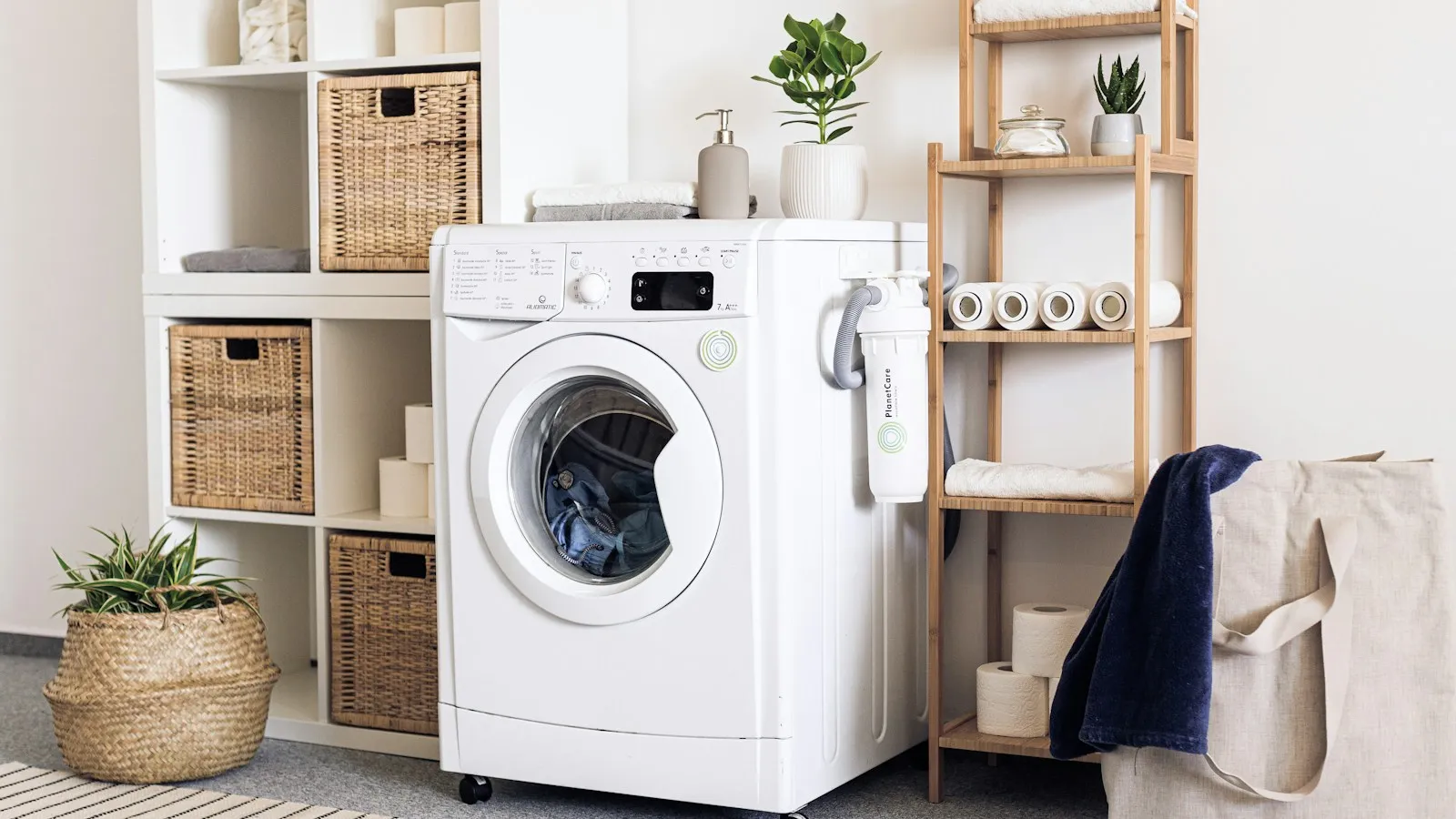
Your washing machine smells because mold, mildew, and bacteria are growing in damp, dirty spots inside it. The most common places are the rubber door seal, the detergent drawer, the drain filter, and the hidden parts of the drum. Leftover detergent and fabric softener give these germs food, and a closed door keeps them warm and wet.
A rotten egg smell is different. It usually comes from the drain, where sewer gas or dirty water is the cause.
The good news is that you can clean your washer and get rid of the smell in about an hour. This guide shows you how, step by step, and how to keep the smell from coming back.
What causes a smelly washing machine?
Washing machines are always a little damp inside. That makes them a good home for mold and bacteria, especially if there is leftover soap, lint, and dirt for them to eat.
The smell is usually worse in front-load washers, because the door has a tight rubber seal that holds water. Top-load washers can smell too, especially under the rim and around the agitator.
8 reasons your washing machine smells
1. The door stays closed after washing
Closing the door right after a wash traps moisture inside. Mold and mildew grow fast in the dark, damp drum.
Fix: Leave the door or lid open after each wash so the inside can dry. If you have small children or pets, keep the laundry room door closed instead.
2. The rubber door seal is dirty (front-loaders)
The folds of the rubber seal around the door catch water, hair, lint, and small items. Black spots and slime often grow here.
Fix: See the cleaning steps below. Wipe the seal dry after the last wash of the day.
3. You use too much detergent
Extra detergent does not rinse away completely. It builds up inside the machine and gives bacteria something to eat.
Fix:
- Use the amount the detergent label says for your load size, or even a little less.
- If you have a high-efficiency (HE) washer, use HE detergent only. Regular detergent makes too many suds for HE machines.
4. Fabric softener builds up
Liquid fabric softener can leave a waxy coating in the drum and dispenser. Mold grows on it easily.
Fix: Use less fabric softener, or try wool dryer balls instead. Clean the softener dispenser often.
5. You always wash in cold water
Cold washes save energy and are gentle on clothes. But they do not melt away grease and detergent buildup, and they do not kill as many germs.
Fix: Keep using cold water for most loads, but run a hot cycle now and then, such as for towels or sheets if their care labels allow. Run a monthly cleaning cycle on the hottest setting.
6. Wet clothes sit in the washer
Leaving wet laundry in the washer for hours, or overnight, lets mildew grow on the clothes and in the drum.
Fix: Move clothes to the dryer or a drying rack right after the cycle ends. If you forget, wash them again before drying.
7. The drain pump filter is clogged (front-loaders)
Most front-load washers have a drain pump filter behind a small door at the bottom front. It catches coins, hair, lint, and gunk. Dirty water sits there and can smell very bad.
Fix: See the cleaning steps below. Clean it every few months.
8. The drain is letting in sewer gas
If the smell is like rotten eggs or a sewer, the problem may be the drain your washer empties into, not the washer.
- The washer drains into a tall pipe called a standpipe. It should have a curved drain trap below it that holds water and blocks sewer gas.
- If the trap is dry, clogged, or missing, sewer gas can come up behind the washer.
- The drain hose may also be pushed too far down into the standpipe.
Fix: Run a rinse cycle to refill the trap with water. Make sure the drain hose goes only about 6 to 8 inches into the standpipe (check your manual). If the smell continues, call a plumber. Our guide on finding the source of a sewage smell explains dry traps and vents.
If only your hot water smells like rotten eggs at every faucet, the water heater may be the cause instead. See why water can smell like rotten eggs.
How to clean a smelly washing machine step by step
Set aside about an hour. You will need rubber gloves, a few old towels or rags, a small bowl, an old toothbrush, dish soap, and a washer cleaner (tablets or powder), or the cleaner your manual recommends.
Step 1: Clean the rubber door seal (front-loaders)
- Pull back the folds of the rubber seal.
- Remove any hair, lint, socks, or coins.
- Wipe the seal with warm water and a little dish soap, using a cloth or old toothbrush.
- For black mold spots, you can use a diluted bleach cleaner if your manual allows it. Follow the directions on the product.
- Dry the seal fully with a towel.
Step 2: Clean the detergent drawer
- Pull out the drawer. Most drawers have a small tab you press to remove them completely.
- Soak it in warm, soapy water for about 15 minutes.
- Scrub off slime and buildup with an old toothbrush.
- Wipe out the space where the drawer goes. Mold often hides at the top of this opening.
- Dry the drawer and put it back.
Step 3: Clean the drain pump filter (front-loaders)
- Turn off the washer and unplug it.
- Put towels and a shallow bowl on the floor. Water will come out.
- Open the small door at the bottom front of the washer.
- Some models have a small drain hose. Pull it out and drain the water into the bowl first.
- Slowly unscrew the filter (usually counterclockwise).
- Remove gunk and objects, rinse the filter, and screw it back in tightly.
- Close the door and plug the washer back in.
Check your manual for your model's steps.
Step 4: Run a cleaning cycle
- Make sure the drum is empty.
- Add a washer cleaner tablet or the cleaner your manual recommends.
- Run the Clean Washer or Tub Clean cycle. If your washer does not have one, choose the hottest and longest cycle.
- After the cycle, wipe the drum and seal dry and leave the door open.
Step 5: Clean a top-load washer
Top-loaders do not have a door seal, but grime hides under the rim and around the agitator.
- Wipe under the rim of the tub and inside the lid with warm, soapy water.
- Clean the fabric softener and bleach dispensers.
- Run the Clean cycle or the hottest cycle with a washer cleaner.
- Leave the lid open to dry.
Why does the water in my washing machine smell?
If the smell is in the water itself, not just the drum or the laundry, look at these causes:
- Stagnant water in the drum or hose. A clogged drain filter or a low spot in the hose can hold dirty water that turns sour. Clean the drain filter and run a hot rinse.
- A dry or blocked drain trap. Sewer gas can rise through the washer drain and make the water smell like sewage. Run a rinse cycle to refill the trap and check the standpipe.
- A rotten egg smell in hot water only. This often comes from your water heater, not the washer. Read sulfur smell in tap water for the cause.
- Mildew in the detergent drawer or door seal. Water that passes over these picks up the smell.
If the smell is in the water from every tap, the washer is not the cause. A smell in the washer water only, and not at the sinks, points to the machine or its drain.
What if my clothes smell after washing?
If your clothes come out smelling musty or sour:
- Clean the washer using the steps above.
- Do not overload the washer. Clothes need room to move so water can rinse them.
- Use less detergent. Too much can trap smells in fabric.
- Dry clothes right away. Do not leave them in the washer.
- Wash towels and workout clothes in warm or hot water if the care label allows.
- Make sure clothes dry fully. Damp clothes stored in a closet can start to smell. If your laundry room itself smells damp, see our guide on drying out a damp, musty room.
How to keep your washing machine smelling fresh
- Leave the door or lid open after every wash.
- Wipe the door seal dry after the last load of the day.
- Take out wet clothes right away. If your dryer then takes forever, see why a dryer takes so long to dry.
- Use the right amount of HE detergent.
- Use less fabric softener.
- Run a cleaning cycle once a month.
- Clean the detergent drawer every few weeks.
- Clean the drain pump filter every few months.
- Keep the laundry room dry and well aired.
Front-load vs. top-load: which smells more?
Front-load washers smell more often. They use less water, and the door seals tightly, so moisture stays inside. The rubber seal and drain filter are the main problem spots.
Top-load washers have a lid that does not seal as tightly, so they dry out more easily. But grime can build up under the rim, in the dispensers, and around the agitator.
Either way, keeping the machine dry between washes is the most important habit.
Match your symptom to the fix
| Smell | Most likely cause | Fix |
|---|---|---|
| Musty or mildew | Mold in the door seal, drawer, or drum | Clean seal and drawer; run a cleaning cycle |
| Sour or stale | Detergent or softener buildup | Use less; run a hot cleaning cycle |
| Rotten eggs or sewer | Dry trap or clogged drain | Run a rinse cycle; check the standpipe; call a plumber |
| Swampy, dirty water | Clogged drain pump filter | Clean the filter |
| Burning | Motor, belt, or electrical problem | Stop using it and call a technician |
When to call a technician or plumber
Call a professional if:
- The smell comes back soon after a full cleaning
- Water will not drain or leaks onto the floor
- You smell burning or see smoke
- You think the drain pipe or trap is the problem
- There is mold you cannot reach inside the machine
In short
A smelly washing machine is usually caused by mold and bacteria in damp spots, fed by leftover detergent and softener. Clean the door seal, detergent drawer, and drain filter, then run a hot cleaning cycle. After each wash, leave the door open and take out wet clothes right away. If the smell is like rotten eggs or sewer gas, check the drain. With a little care each month, your washer and your laundry will stay fresh.
Sources
This guide was checked against these official and manufacturer sources.
Frequently asked questions
Why does my washing machine smell like mildew?
A mildew smell comes from mold and bacteria growing in damp spots, like the rubber door seal, the detergent drawer, and the drain filter. It happens most when the door stays closed after washing, wet clothes are left inside, or too much detergent builds up.
Why does my washing machine smell like rotten eggs?
A rotten egg smell usually comes from the drain, not the washer itself. Sewer gas can come up through the drain pipe if its trap is dry or the drain is clogged. It can also come from bacteria in dirty water sitting in the drain pump or hose.
How often should I clean my washing machine?
Run a cleaning cycle about once a month, and wipe the door seal and detergent drawer every week or two. Front-load washers also need their drain pump filter cleaned every few months.
Can I use vinegar to clean my washing machine?
Some people use white vinegar, but some washer makers warn that using it often can wear out rubber seals and hoses. A washer cleaner tablet or the cleaner your manual recommends is the safest choice. Never mix vinegar and bleach, because together they make a harmful gas.

Written by
Agha Ali Abbas
Agha Ali Abbas is the founder and editor of TimeToNote. He has worked in SEO and content writing for 18 years, and he checks every guide against manufacturer documentation and official sources before it goes live.
Related guides
Home Problems
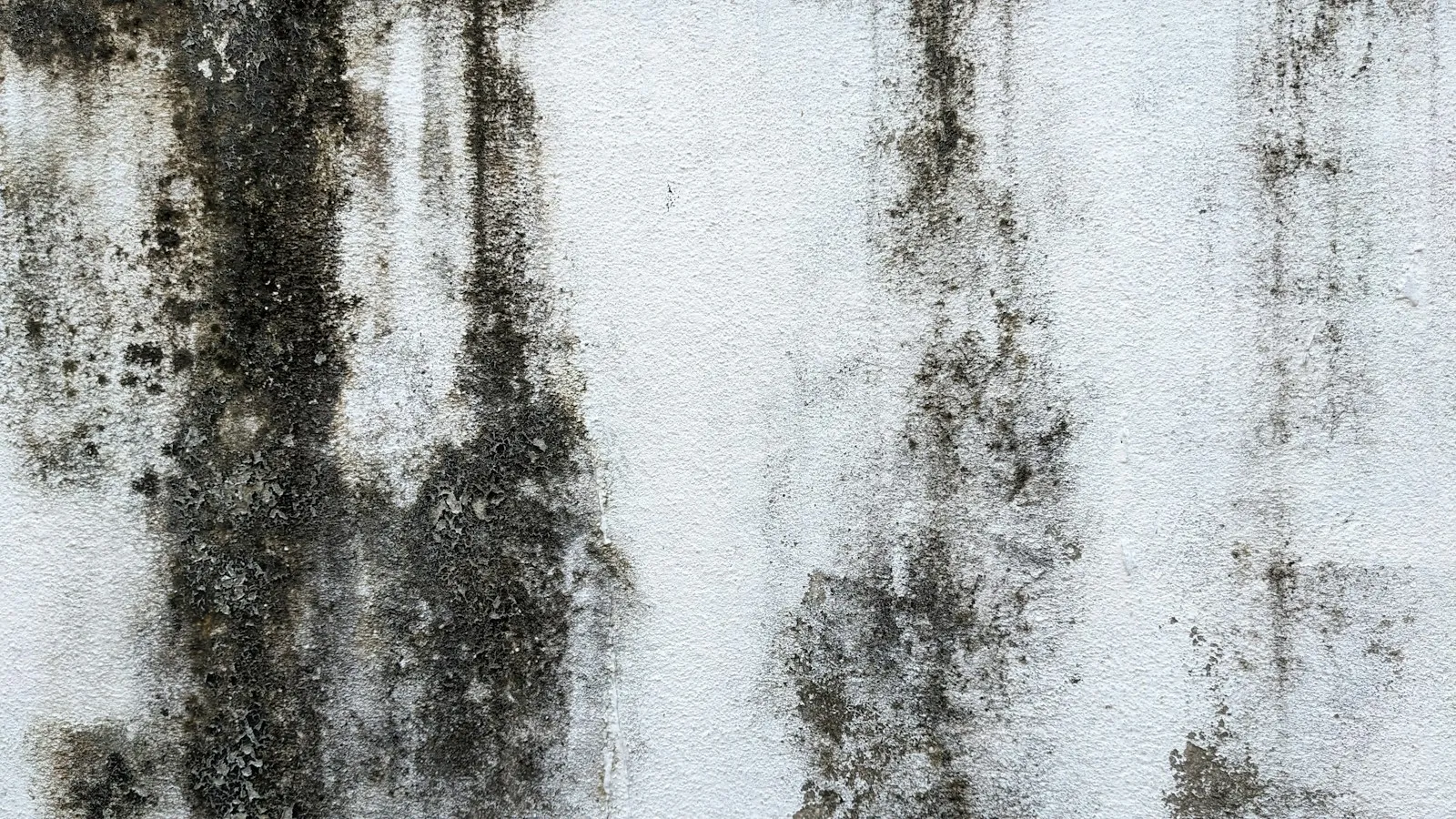
Why Does My Room Smell Musty? Causes and How to Get Rid of the Smell
A musty smell almost always means damp air and mold or mildew nearby. Learn how to find the source, remove the smell, and stop it from coming back.
8 min read
Home Problems
Why Does My House Smell Like Sewage? 9 Causes and Easy Fixes
A sewage smell in your house usually comes from a dry drain trap, a bad toilet seal, or a blocked vent. Find the cause fast and fix it with these simple steps.
11 min read

Home Problems
Why Is My Dishwasher Not Draining? 9 Causes and Easy Fixes
Water sitting in the bottom of your dishwasher? Learn why it will not drain and how to fix it yourself, from cleaning the filter to checking the drain hose.
8 min read
More guides you may need
Home Problems
Microwave Sparking Inside? Causes and What to Do
Microwave sparking or arcing inside? Stop it, unplug it, then check for metal, a burnt waveguide cover or chipped paint. Learn what is safe to fix and what is not.
4 min read
Home Problems
Outdoor Outlet GFCI Keeps Tripping When It Rains? Causes and Fixes
Outdoor GFCI tripping every time it rains? Water is getting into a cover, a box or a cord. Here is how to find it, dry it out and when to call an electrician.
5 min read