Why Does My Water Smell Like Rotten Eggs? Causes and Easy Fixes
Rotten egg smell in your tap water? Find out if it comes from your water heater, your drain, or your water supply, and how to get rid of it for good.

On this page
Water smells like rotten eggs because of hydrogen sulfide, a gas with a strong sulfur smell. It can come from three main places: your water heater, your sink drain, or your water supply, such as a well with sulfur bacteria. The quickest way to find the cause is to check if the smell is in the hot water, the cold water, or both.
That rotten egg smell is unpleasant, but it is very common and usually easy to fix once you know where it comes from.
This guide will help you find the source with a few simple tests, fix it step by step, and know when to call a plumber or have your water tested.
What causes the rotten egg smell?
Hydrogen sulfide is a gas that forms when bacteria break down sulfur. It can be found in:
- Groundwater, especially deep wells, where sulfur bacteria live naturally
- Water heaters, where a metal rod reacts with sulfur in the water
- Drains, where rotting food and gunk give off sulfur gas
- Water softeners and filters that have bacteria growing inside them
People can smell hydrogen sulfide even at very small amounts. That is why a little can make your whole kitchen smell bad.
Step 1: Find where the smell comes from
These three quick tests will point you to the cause.
Test 1: Is it the drain or the water?
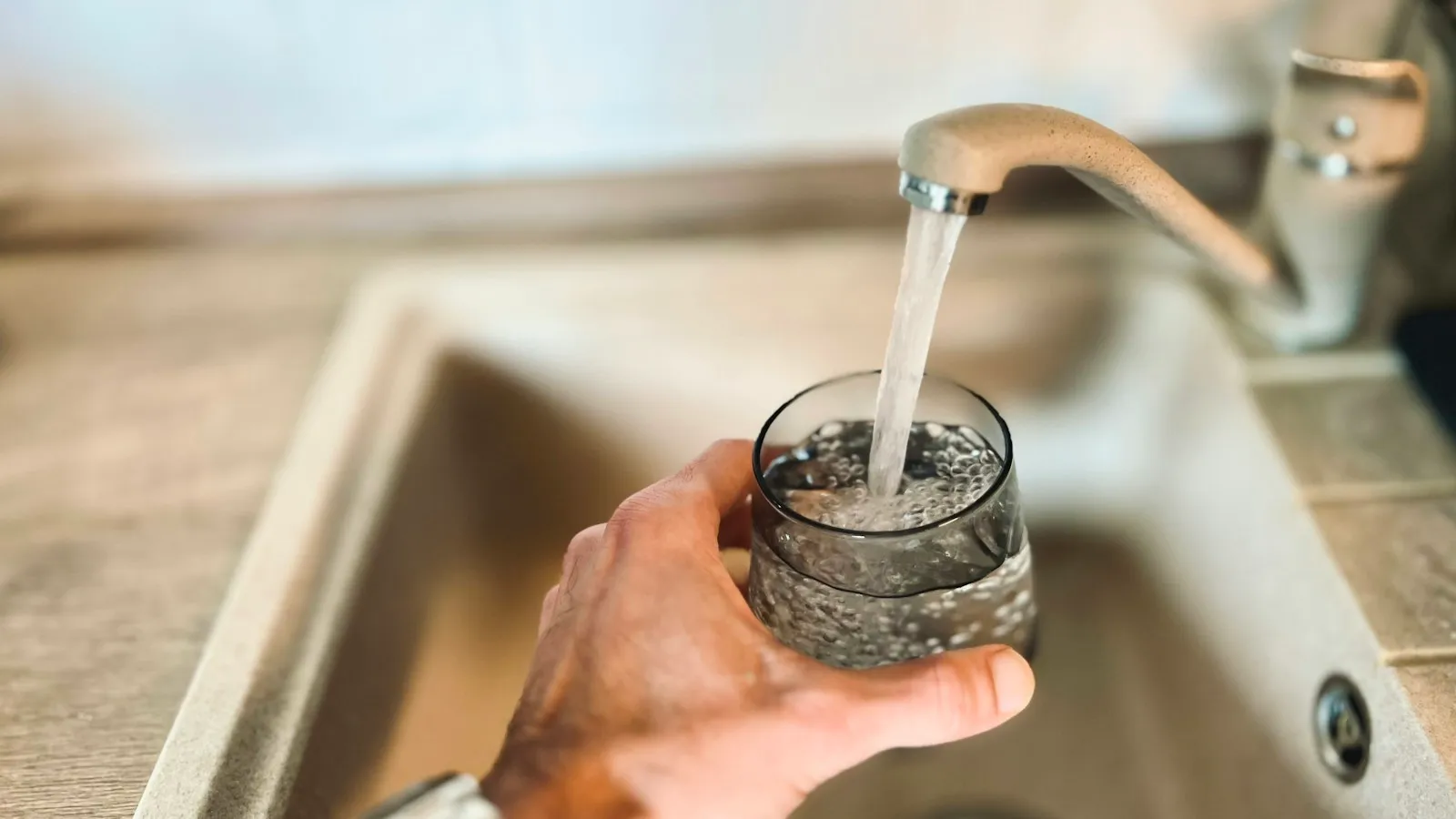
- Fill a clean glass with water from the smelly faucet.
- Walk to another room, away from the sink.
- Smell the water in the glass.
If the water in the glass smells fine, the smell is coming from the drain, not the water. Skip to fixing a smelly drain.
Test 2: Is it the hot water, the cold water, or both?
- Run only the cold water for a minute. Fill a glass and smell it.
- Run only the hot water for a minute. Fill a glass and smell it.
Test 3: Is it every faucet or just one?
Check the kitchen sink, bathroom sinks, and an outdoor faucet if you have one.
What your tests tell you
| What you notice | Most likely cause |
|---|---|
| Water in the glass smells fine away from the sink | Smelly drain |
| Only hot water smells | Water heater |
| Hot and cold water smell, you have a well | Sulfur in the well water or sulfur bacteria |
| Hot and cold water smell, you have city water | Rare; could be your water softener, filter, or the city supply |
| Only water that goes through a softener or filter smells | Bacteria in the softener or filter |
| Only one faucet smells, even in a glass | Bacteria in that faucet's pipes or fixture |
Fix 1: Treat the water heater (if only hot water smells)
This is the most common cause in homes on city water.
Most water heaters have a long metal rod inside, called an anode rod. It protects the tank from rust. Many anode rods are made of magnesium. Magnesium can react with sulfur and bacteria in warm water and make hydrogen sulfide gas.
How to fix it:
- Flush the water heater. This removes sediment where bacteria like to grow. Your water heater's manual explains how. It usually means turning off the power or gas, attaching a hose to the drain valve, and draining some water out. Our step-by-step water heater flush guide walks through the whole process.
- Replace the anode rod. A plumber can swap a magnesium rod for an aluminum-zinc anode rod or a powered anode rod. These are much less likely to cause the smell.
- Raise the temperature for a short time. Some plumbers heat the tank higher for a few hours to kill bacteria. This can cause dangerous scalding, so only do it with a plumber's guidance.
Do not remove the anode rod completely. The tank can rust through much faster without it, and it may void your warranty.
If working on your water heater sounds tricky, call a plumber. Water heaters involve hot water, gas, or high voltage.
Fix 2: Deal with sulfur in well water (if hot and cold water smell)
If you have a private well and both hot and cold water smell, the gas is likely coming from the ground or from sulfur bacteria in the well.
How to fix it:
- Test your water. Contact your local health department or a certified lab. A test tells you how much hydrogen sulfide is in the water and checks for other problems, like bacteria, iron, and manganese.
- Shock chlorinate the well. This means adding a strong chlorine solution to the well to kill bacteria. Many health departments give step-by-step instructions, or a well contractor can do it.
- Add a treatment system if the smell comes back. Common options are:
- Activated carbon filters for very light smells
- Oxidizing filters (such as manganese greensand or similar media) for moderate levels
- Aeration systems that let the gas escape from the water
- Chlorine or hydrogen peroxide injection for strong levels
A water treatment professional can help you choose the right system based on your test results. If you plan to do some of the work yourself, our guide on installing a home water filter covers the basic steps.
Fix 3: Clean a smelly drain
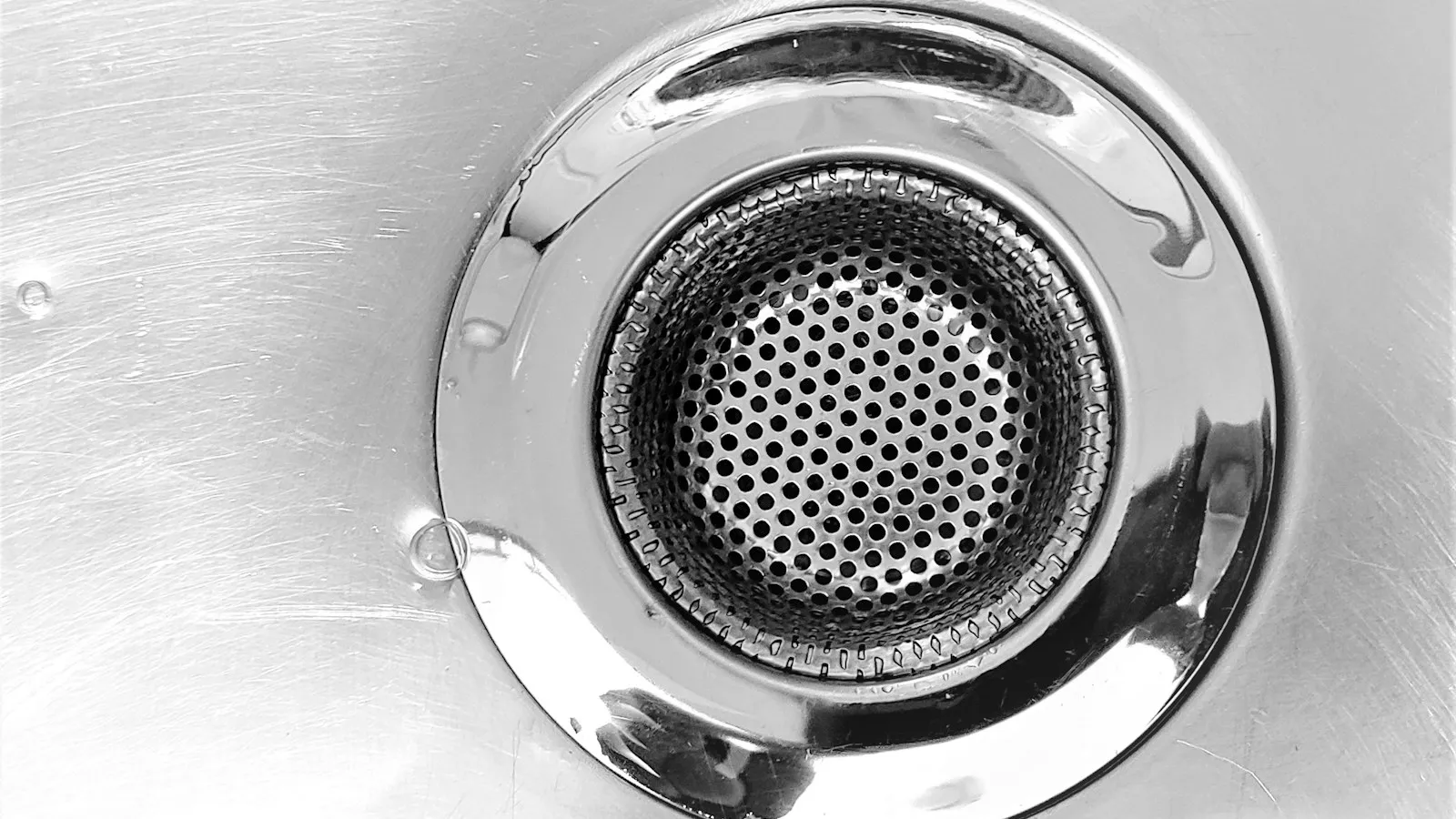
If the water in a glass smells fine but the sink smells like rotten eggs, the gas is coming up from the drain. Food, hair, soap, and grease build up inside the pipe and give off sulfur gas as they rot.
How to fix it:
- Remove the drain stopper and clean off any gunk.
- Pour half a cup of baking soda into the drain.
- Pour one cup of white vinegar on top. Let it fizz for 15 to 30 minutes.
- Flush with very hot tap water.
- Scrub inside the drain opening with a small brush.
- Clean the sink's overflow hole too, if it has one.
If the smell is more like a sewer and it is coming from several drains, read our guide on tracking down a sewer smell in your home. A dry drain trap or a blocked vent may be the cause.
Fix 4: Clean your water softener or filter
Bacteria can grow inside water softeners and filter housings, especially if they sit unused or are not maintained.
How to test: Most systems have a bypass valve. Put the system in bypass mode and run the cold water. If the smell goes away, the softener or filter is the cause.
How to fix it:
- Replace filter cartridges on schedule.
- Clean and sanitize the softener as the maker recommends. Many makers sell a cleaner made for this.
- Call a water treatment company if the smell keeps coming back.
Fix 5: Flush pipes that have not been used
Water that sits still in pipes for a long time, like in a guest bathroom or after a vacation, can start to smell. Run the water at every faucet for a few minutes. If the smell goes away and does not come back, the water was just stale.
Fix 6: Call your water company (if you have city water)
City water rarely smells like rotten eggs, because it is treated before it reaches your home. If both hot and cold water smell at every faucet and you have ruled out your softener and filter, call your water utility. Ask if other homes nearby have reported a smell. Many utilities will test your water for free.
Is rotten egg water safe to drink?
At the low levels that most people notice, hydrogen sulfide is mostly a nuisance. It makes water taste and smell bad, and it can stain sinks and tarnish silver. But it is usually not a health risk at those levels.
Still, be careful if:
- The smell is new and strong
- You have well water and have not tested it recently
- The water also looks cloudy, dark, or has particles
- Anyone in your home has an upset stomach after drinking it
In these cases, drink bottled water and have your water tested. A sulfur smell can sometimes appear alongside sewage or other contamination, especially in wells.
Other water smells and what they mean
| Smell | Likely cause | What to do |
|---|---|---|
| Rotten eggs | Hydrogen sulfide | Follow the steps in this guide |
| Bleach or swimming pool | Chlorine from water treatment | See why water tastes like chlorine |
| Musty or earthy | Algae or bacteria, often seasonal | Run cold water; use a carbon filter; call your utility |
| Sewage | Drain problem, or a serious supply problem | Check drains; if it is in the water, stop drinking it and call for help |
| Metallic | Iron, manganese, or old pipes | Test the water; consider a filter |
| Fishy | Certain minerals or a plastic part heating up | Check appliances and outlets; test the water |
How to prevent the smell from coming back
- Flush your water heater as the maker recommends, often once a year.
- Use an aluminum-zinc or powered anode rod if your area has sulfur in the water.
- Test well water at least once a year.
- Maintain your water softener and filters on schedule.
- Clean drains once a month with baking soda, vinegar, and hot water.
- Run water in unused faucets every week or two.
If the water heater is involved, it is also worth checking your water pressure. Sediment in the tank can make hot water weak. Our guide on how to boost low water pressure covers that.
When to call a professional
Call a plumber, well contractor, or water treatment company if:
- The smell comes back after you flush the water heater
- You need the anode rod replaced
- You have well water with a strong smell
- The water looks cloudy or discolored
- You are not comfortable working on the water heater
What to do first
A rotten egg smell in water comes from hydrogen sulfide gas. Start by smelling a glass of water away from the sink to rule out the drain. Then check if the smell is in the hot water only, which points to the water heater, or in both hot and cold, which points to your well, softener, or supply. Flushing the water heater, replacing the anode rod, cleaning drains, and treating well water fix most cases. When in doubt, test your water.
Sources
This guide was checked against these official and manufacturer sources.
Frequently asked questions
Is it safe to drink water that smells like rotten eggs?
In most cases, the rotten egg smell comes from small amounts of hydrogen sulfide gas, which is a nuisance but usually not a health risk at the low levels people can smell. However, a strong or new smell can sometimes mean sewage or other contamination, especially in well water. If you are not sure, drink bottled water and have your water tested.
Why does only my hot water smell like rotten eggs?
When only the hot water smells, the cause is almost always the water heater. A metal rod inside the tank, called the anode rod, can react with sulfur and bacteria in the water and make hydrogen sulfide gas. Flushing the tank and replacing the anode rod usually fixes it.
Why does my water smell like rotten eggs only in one sink?
If only one sink smells, the smell may be coming from the drain, not the water. Fill a glass with water, walk to another room, and smell it. If the water in the glass smells fine, clean the drain in that sink.
Will a water filter remove the rotten egg smell?
Some will. Activated carbon filters can remove small amounts of hydrogen sulfide. Stronger smells, which are common with well water, usually need an oxidizing filter, aeration system, or other treatment. A water test tells you which one you need.

Written by
Agha Ali Abbas
Agha Ali Abbas is the founder and editor of TimeToNote. He has worked in SEO and content writing for 18 years, and he checks every guide against manufacturer documentation and official sources before it goes live.
Related guides
Home Problems
Why Does My House Smell Like Sewage? 9 Causes and Easy Fixes
A sewage smell in your house usually comes from a dry drain trap, a bad toilet seal, or a blocked vent. Find the cause fast and fix it with these simple steps.
11 min read
Home Problems
How to Install a Water Filtration System at Home (Step by Step)
Learn how to install an under-sink, reverse osmosis, or whole-house water filtration system step by step, what tools you need, costs, and when to call a plumber.
10 min read

Home Problems
Why Does My Water Taste Like Chlorine? Is It Safe and How to Fix It
Tap water tasting or smelling like chlorine or bleach? Learn why it happens, whether it is safe, and simple ways to get rid of the taste at home.
8 min read
More guides you may need

Home Problems
Oven Not Working but the Stove Top Is? Causes and Fixes (Gas and Electric)
Stove top works but the oven will not heat? Check settings, the bake element or igniter, the thermal fuse and the control board. Safe steps for gas and electric.
7 min read
Home Problems
Refrigerator Water Dispenser Not Working but Ice Maker Works? Fixes
Fridge water dispenser not working while the ice maker still works? Check the filter, control lock and a frozen door line first. Here is the full fix list.
5 min read