How to Get Rid of Ladybugs in Your House: 9 Easy Ways
Ladybugs swarming your home this fall? Learn how to tell them from Asian lady beetles and remove them fast with safe, simple steps.
On this page
Vacuum them up, then seal the cracks where they come in. Do not sweep or crush them. That can leave a smelly yellow stain. Most "ladybugs" that swarm homes in fall are really Asian lady beetles. They come inside to stay warm for winter. The best fix is to block their way in before they arrive.
It is October, and you see little orange bugs on your window. Then a few more. Then a whole cluster in the corner of the ceiling.
They look cute, but a swarm inside your home is not fun. They crawl on walls, fall into your coffee, and show up in your bed. You may wonder if they are harmful and how to get rid of them.
This guide helps you tell what kind of bug you have, why they come inside, and nine easy steps to clear them out for good. No scary words, just clear help.
Why are there ladybugs in my house?
Ladybugs, and their look-alikes, are not trying to live in your home. They are looking for a warm spot to sleep through winter. When the weather cools in fall, they fly to sunny walls, find tiny cracks, and slip inside.
Here is what attracts them:
- Sunny walls. They like the south and west sides of a house that get warm afternoon sun.
- Light colors. Pale walls draw them in.
- Cracks and gaps. Around windows, doors, siding, and pipes.
- Warmth. Heat leaking out of your home guides them in.
- Other bugs' scent. When one finds a good spot, it leaves a scent that brings friends. They may come back to the same house each year.
They do not come to eat your food, and they do not lay eggs inside. They just hide until spring. But warm days in winter can wake them up, and then they crawl around your rooms.
Ladybug or Asian lady beetle? How to tell
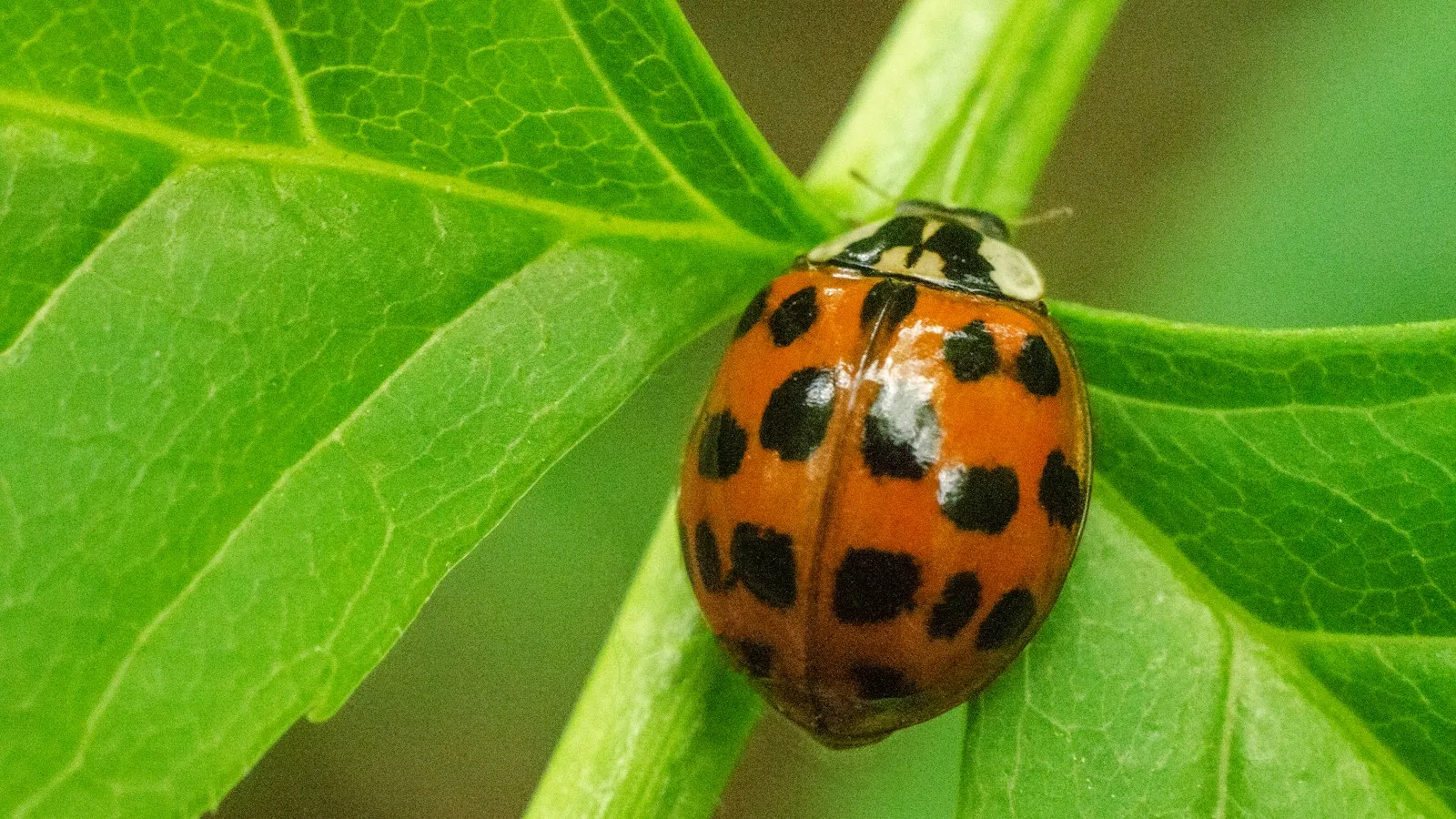
This matters because most home swarms are Asian lady beetles, not true ladybugs. Penn State Extension says these beetles first became established in North America in 1988, and it is not unusual for tens of thousands to gather in attics, ceilings, and wall gaps. True ladybugs rarely gather in big groups indoors. Here is how to tell them apart.
| Feature | True ladybug | Asian lady beetle |
|---|---|---|
| Color | Bright red | Orange, tan, or red |
| Spots | Usually clear, round spots | Many spots, some none at all |
| Marking behind head | None | White "M" or "W" shape |
| Shape | Round, like a dome | A little longer, more oval |
| Behavior | Usually stays outside | Swarms homes in fall |
| Bites | Almost never | Can pinch or nip |
| Smell and stain | Little | Smelly yellow fluid when crushed |
The easiest sign is the "M" or "W" mark on the back of the head, right behind the face. If you see it, you have an Asian lady beetle.
Both bugs eat garden pests, like aphids. So outdoors, they are helpful. The problem only starts when they move into your house.
Are they harmful?
Mostly, they are a nuisance. Here is what to know:
- They do not damage your house. They do not chew wood or wiring.
- They do not spread disease.
- Some can nip. Asian lady beetles may pinch your skin. It is usually not painful, but it can surprise you.
- They can stain. When scared or crushed, they release a yellow, smelly fluid. It can stain curtains, walls, and fabric.
- Allergies. Some people get itchy eyes, sneezing, or a runny nose when many beetles are in the home.
- Pets. They can upset a pet's mouth or stomach if eaten. Keep pets from chewing on them.
If you have a lot of them and feel sick, talk to a doctor.
Method 1: Vacuum them up
This is the best way to clear them out. It is fast, safe, and does not stain.
How to do it:
- Use a vacuum with a hose and a soft brush.
- Suck up the beetles from windows, corners, and curtains.
- For a cleaner way, put a nylon stocking or a thin sock over the end of the hose, held with a rubber band. The bugs end up in the stocking instead of the bag.
- Take the stocking or bag outside right away.
- Empty it far from your house, or seal it in a bag and throw it in the trash.
If you leave them in the vacuum, they may stay alive and smell, or crawl back out. A few tricks help:
- Empty the vacuum bag right after.
- Wipe the hose to clear any smell.
Method 2: Do not sweep or crush them
It is tempting to swat them. But crushing them leaves a smelly yellow stain, and the smell can bring in more beetles. Sweeping can also upset them.
Instead:
- Vacuum them.
- Or gently scoop them into a cup with a piece of paper, and carry them outside.
Method 3: Make a simple trap
A simple trap can catch the ones that are flying around.
Light trap:
- Get a shallow pan or a dish.
- Fill it with warm, soapy water.
- Put a lamp or a flashlight above it, in a dark room at night.
- The beetles fly to the light, fall in, and cannot get out.
Bottle trap:
- Cut the top third off a clean plastic bottle.
- Flip it upside down and set it into the bottom part like a funnel.
- Put a small amount of soapy water in the bottom.
- Place it near a window where the bugs gather.
These work best for light swarms. They will not stop bugs from coming in, but they cut down the number in a room.
Method 4: Seal the cracks (the most important step)
If you want to get rid of them for good, stop them at the door. Sealing the gaps is the best long-term fix. Fall is the best time to do it, before they come in. But it helps in winter too.
Check these spots:
- Around windows. Look at the frames and the trim.
- Around doors. Check the bottom for gaps. A door sweep can help.
- Where pipes, wires, and cables enter the house.
- Siding and fascia boards.
- Vents, chimneys, and attic openings.
- Window screens. Fix tears and holes.
- Under the eaves, near the roof line.
Use:
- Caulk for small gaps around windows and trim.
- Weatherstripping for doors and windows.
- Foam sealant for larger holes around pipes.
- Mesh screens over vents.
Sealing also keeps your home warm and lowers your bills. Our guide on how to find gaps and air leaks around your house shows an easy way to find those gaps. If your roof is old, see signs your roof needs repair or replacement, since broken roofing can let pests in. Also, if you see cracks in your walls, read whether wall cracks are a worry.
Method 5: Use natural scents they dislike
Some people use smells to keep these bugs away. There is little research showing these work on lady beetles, and they will not stop a big swarm. Think of them as a small extra step, not the main fix.
Here are some to try:
- Citrus peels. Rub them along window sills.
- Peppermint oil. Mix a few drops with water in a spray bottle.
- Lavender or clove. A few drops on cotton balls near windows.
- Garlic water. Blend a few cloves with water, strain, and spray it near the entry points.
- Bay leaves. Put them near window frames.
Test any spray on a hidden spot first so it does not stain. Reapply often, since scents fade. Keep oils away from pets. Some oils are not safe for cats and dogs.
Method 6: Use diatomaceous earth outside
Diatomaceous earth, called DE, is a fine powder made from tiny fossils. It dries out insects that crawl through it.
- Use only "food grade" DE.
- Sprinkle a thin line along the outside of your foundation, window sills, and door edges.
- Do not breathe the dust. Wear a mask.
- Keep it dry. Rain washes it away.
- Keep it away from pets and kids.
It is best for outdoor use, not inside your living space.
Method 7: Use a barrier spray outside (if you need it)
For big swarms, you can use an outdoor spray made for these bugs. This should be done early, before they come in, ideally from late summer until the first frost. Many people spray in September.
Tips for safe use:
- Read the label and follow it exactly.
- Spray the outside walls, mostly the sunny sides.
- Do not spray indoors unless the label says you can.
- Keep kids and pets away until it dries.
- Wear gloves.
If you do not want to use chemicals, skip this step and focus on sealing. If the swarm is large, a pest control company can apply a barrier. Ask them for safe options.
Method 8: Clean up outside
Your yard can help or hurt.
- Rake leaves and clear dead plants near the house.
- Trim bushes and trees that touch the walls.
- Store firewood away from the house.
- Fix gaps in outdoor trim and siding.
- Keep gutters clear.
Outdoor clutter gives bugs places to hide, close to your home.
Method 9: Keep the inside clean and dry
Inside, a few good habits help:
- Vacuum often around windows.
- Keep your curtains and sills clean.
- Fix leaks and damp spots. Our guide to signs of a hidden leak shows you how to find them.
- Use a dehumidifier in damp rooms. Pick the right size with our free dehumidifier size tool.
- Keep dust down. See how to clean a dusty house.
Dust and clutter give bugs places to hide, and they make a swarm harder to clear.
Where do they hide in the house?
If you see a few beetles, there may be more out of sight. Here are the usual hiding spots:
- Behind curtains
- Window and door frames
- Attics and wall gaps
- Ceiling corners
- Behind picture frames
- Light fixtures
On sunny winter days, they may wake up and crawl out. That is why you may see them in January, even when it is cold outside.
What about other fall bugs?
Ladybugs are not the only bugs that come in during fall. Others include:
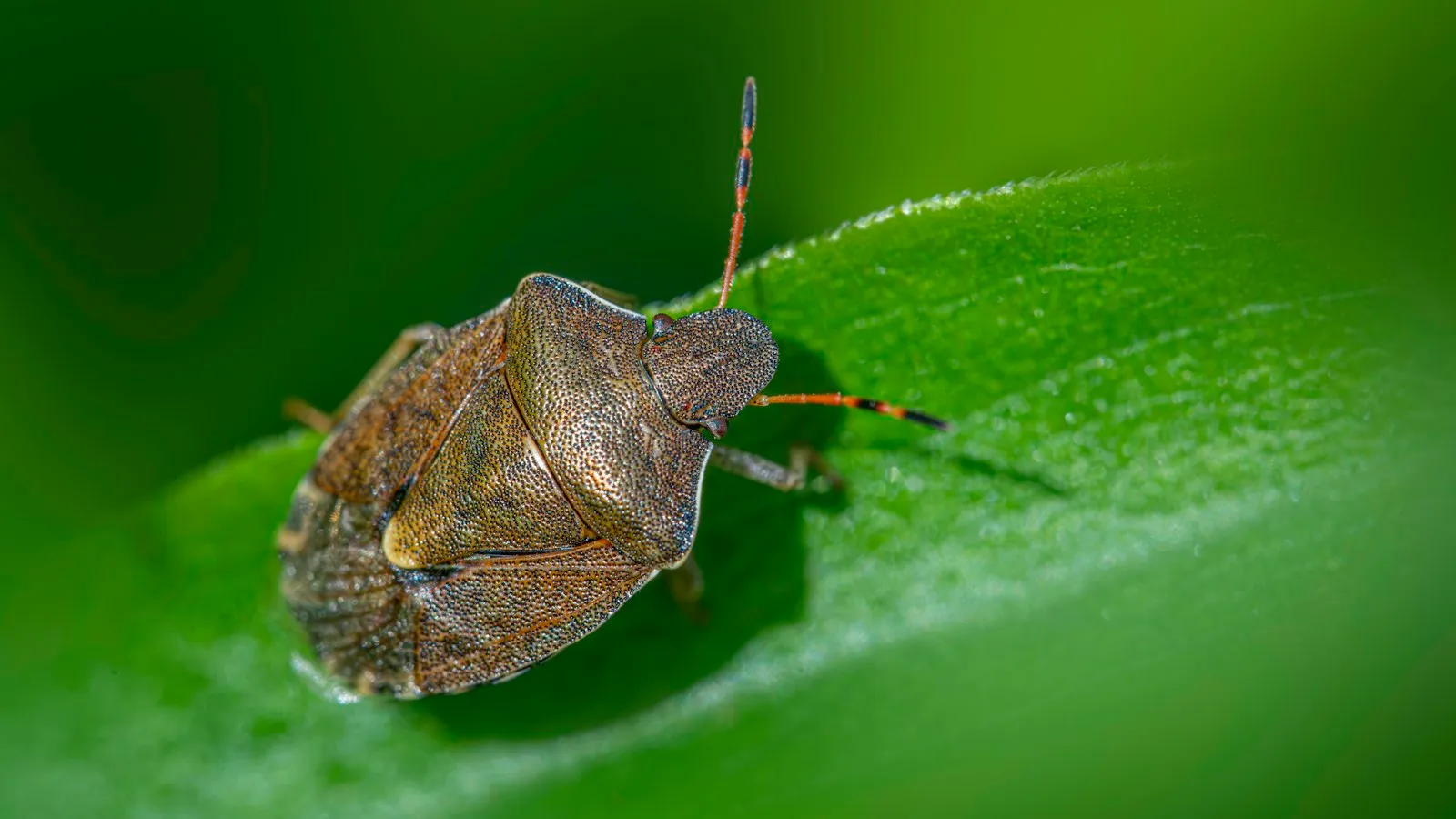
- Stink bugs. They are brown and shield-shaped, and they make a bad smell. See how to get rid of stink bugs.
- Fruit flies. These come from ripe fruit. See how to get rid of fruit flies.
- Gnats. Often from damp plants and drains. See how to get rid of gnats.
Many of the same fixes help with all of them, like sealing gaps and keeping the house clean. If you are getting ready for pets, you may also like our guide on how to prepare your home for a new pet.
Quick chart: What to do and when
| Time of year | What to do |
|---|---|
| Late summer | Seal cracks, fix screens, and consider a barrier spray |
| Early fall | Check sunny walls. Clean up leaves. Keep sealing |
| Fall and winter | Vacuum bugs right away. Use traps for a few |
| Late winter | Vacuum those that wake up. Plan for next year |
| Spring | Make repairs and wash the siding |
What not to do
- Do not crush them. They stain and smell.
- Do not use bug sprays inside, like foggers. They can be unsafe and may not help.
- Do not leave a full vacuum bag inside.
- Do not ignore the gaps. Killing bugs without sealing means more will come.
- Do not wait until winter to seal. Do it in late summer if you can.
When to call a pro
Call a pest control company if:
- You have hundreds of beetles, and it does not stop.
- They keep coming back each year.
- You cannot find where they enter.
- You or a family member has allergy trouble.
- You want a barrier treatment, but do not want to do it yourself.
Ask about safe options, and ask for a price first.
The bottom line
Ladybugs in your house are annoying, but they are not a big threat. Vacuum them, do not crush them, and seal the cracks they use to get in. Add traps and natural scents if you like.
The most important step is stopping them before they enter. Take a walk around your home this weekend. Seal gaps, fix screens, and clean up the yard. Do that, and next fall you will have far fewer visitors. For more help, visit our home and pest guides page.
Related: for bigger uninvited guests, read about dealing with a mouse problem.
Sources
This guide was checked against these official and manufacturer sources.
Frequently asked questions
Are ladybugs in my house good luck?
A single ladybug is considered lucky by many people. But a big group in your house is a sign you have gaps to seal.
Do ladybugs bite?
True ladybugs rarely bite. Asian lady beetles can pinch the skin, but it is not dangerous.
Why do I see ladybugs in my house in winter?
They sleep in your walls or attic during the cold months. Warm sunny days or heating can wake them, so they crawl into your rooms.
Will they lay eggs or eat my things?
No. They do not breed in the house, and they do not eat fabric, wood, or food.
Will ladybugs go away on their own?
Many leave in spring. But they may come back next year, and they may leave stains while they stay. It is better to vacuum and seal.
Is it bad to kill ladybugs?
True ladybugs help your garden by eating pests. If you can, scoop them up and put them outside. For Asian lady beetles inside, vacuuming is fine.
Can I use bug spray inside?
It is better not to. Vacuuming and sealing work better and are safer for your family and pets.

Written by
Agha Ali Abbas
Agha Ali Abbas is the founder and editor of TimeToNote. He has worked in SEO and content writing for 18 years, and he checks every guide against manufacturer documentation and official sources before it goes live.
Related guides
Everyday Solutions
How to Get Rid of Stink Bugs in Your House (Without the Smell)
Stink bugs in your house this fall? Learn why they come inside, how to remove them without the smell, a simple DIY trap, and how to seal your home to keep them out.
7 min read

Home Problems
How to Find Air Leaks in Your House (and Seal Them Cheaply)
Drafty rooms and high energy bills? Learn 7 easy ways to find air leaks in your house, the most common leak spots, and cheap ways to seal them yourself.
7 min read
Everyday Solutions
How to Get Rid of Fruit Flies: Easy Traps and Tips to Keep Them Away
Get rid of fruit flies for good: find where they breed, set easy DIY traps, and break their life cycle in about two weeks. Simple steps anyone can follow.
8 min read
More guides you may need
Home Problems
Electric Dryer Keeps Tripping the Breaker? Causes and Fixes
Electric dryer tripping the breaker? Common causes are a failed heating element, a loose terminal block or a worn cord. Here is how to narrow it down safely.
5 min read

Home Problems
Electric Gate Not Working? Common Causes and Safe Fixes
Automatic gate will not open, close or take the remote? Check power, remote battery, safety sensors, obstructions and limit settings before calling an installer.
6 min read