Garage Freezer Keeps Tripping the GFCI? Causes and Fixes
Chest or upright freezer tripping the GFCI in your garage? Learn why defrost heaters and door seals leak, what to test and how to protect your frozen food.
On this page
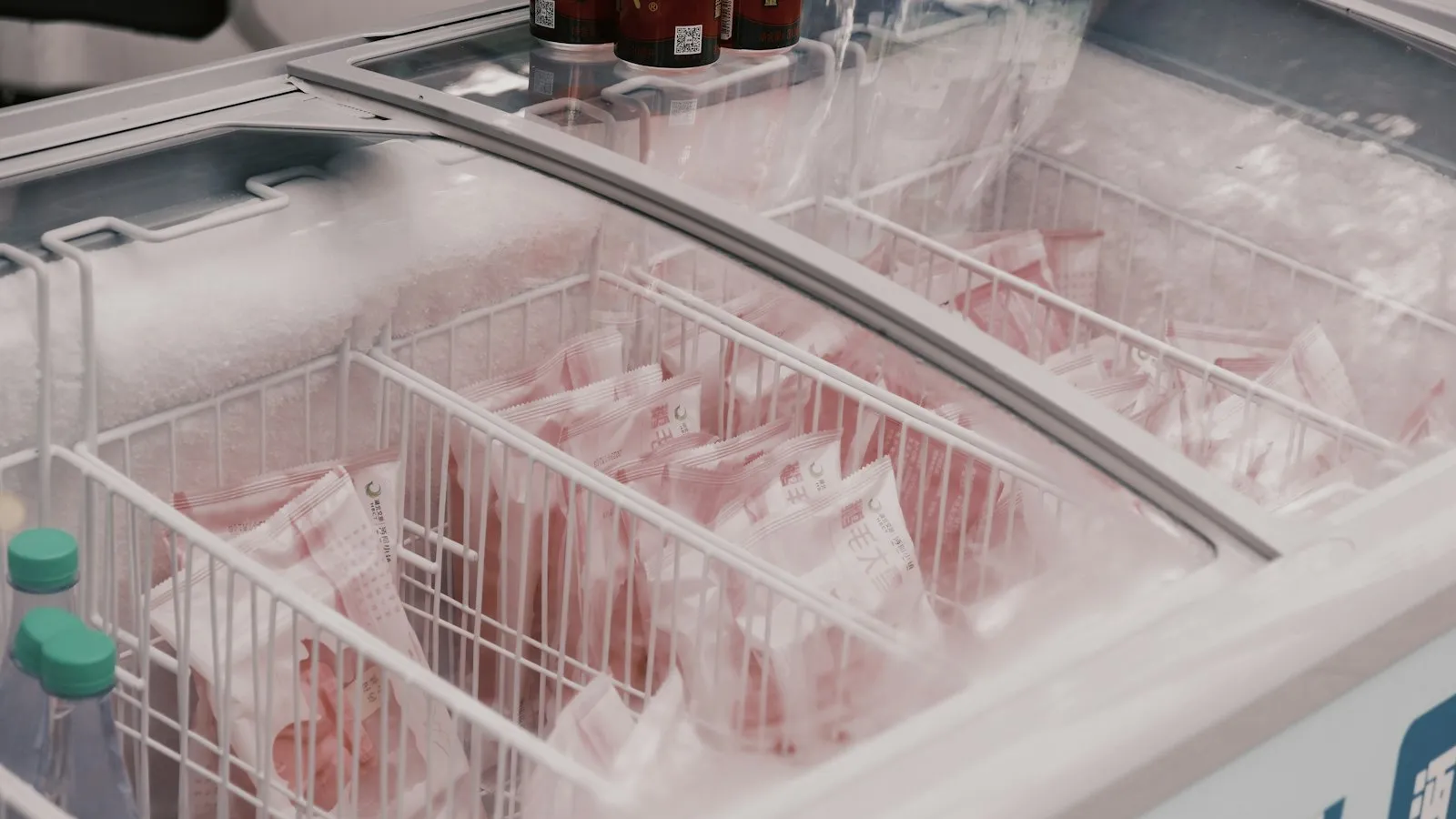
A freezer that trips the GFCI usually has a small current leak to ground, often from a defrost heater, a door seal heater or moisture around the compressor. A worn GFCI can also trip on its own. Plug the freezer into a different protected outlet to test, check the GFCI, and move any frozen food to another freezer if the problem continues.
Garages, basements and porches usually have GFCI protection, which is great for safety but can be hard on a freezer. A trip you do not notice can thaw a full freezer in a day or two, so this is worth fixing quickly.
Why does my freezer keep tripping the GFCI?
- A leaking defrost heater. Frost-free and upright freezers use a heater to melt frost. As it ages, it can leak current to ground, and the trip happens during defrost.
- A door seal heater. Some freezers have a low-power heater around the door seal to prevent sticking. It can also go to ground.
- Moisture or frost near wiring. Condensation in a damp garage can reach the compressor, wiring or controls.
- A compressor or start relay fault. An aging compressor can leak current.
- A worn GFCI outlet. GFCIs fail over time and can trip at small leaks or with no load.
- Other devices downstream. On a garage circuit, a second device or a wet outdoor outlet can trip the GFCI for the whole line.
A GFCI trips on a ground fault, not an overload. The short surge when a compressor starts does not normally trip a good GFCI, so a freezer that trips it points to leakage.
What the timing tells you
| When it trips | Likely cause |
|---|---|
| Every few hours, on a schedule | Defrost heater |
| Only after rain or in humid weather | Moisture or another outlet on the circuit |
| When the compressor starts | Compressor or relay leak, or a worn GFCI |
| With the freezer unplugged | GFCI or the circuit, not the freezer |
| Only with this freezer, on every outlet | The freezer has a fault |
How to fix it
- Check the food first. If the freezer has been off, keep the door closed. A full freezer holds its temperature for about two days. Move food to another freezer or cooler with ice if the repair will take time.
- Press RESET on the GFCI and make sure the freezer runs. Test the button on the GFCI too. If it will not reset or it trips with nothing plugged in, replace the GFCI.
- Try another outlet. Plug the freezer into a different outlet on a different circuit, ideally a non-GFCI outlet that an electrician has confirmed is allowed. Use a heavy-duty extension cord only for a short test.
- Unplug other devices. Take everything else off the same GFCI circuit and see if the freezer holds.
- Look for moisture. Check for water on the floor, frost near the back or heavy condensation in a damp garage. Dry it and test again.
- Inspect the cord. Look for cuts, a flattened section or a damaged plug.
- Defrost the freezer. For a manual-defrost chest freezer, ice buildup makes it work harder. Unplug it, thaw it and clean it out. Keep it unplugged until the inside is dry.
Should a freezer be on a GFCI at all?
This is a real tradeoff. GFCI protection in garages guards against shocks, and many codes require it. But a freezer on a GFCI that trips while you are away can thaw a lot of food. Some electricians suggest a dedicated outlet for the freezer. Rules differ by state and city, so ask a licensed electrician what your local code allows before you change anything. Never swap a GFCI for a standard outlet on your own.
If your freezer is on its own circuit and you rely on it, a simple alarm or a plug-in temperature monitor can warn you before food is lost.

Is it worth repairing?
A defrost heater or a door seal heater is usually a repair a technician can do. A failing compressor often costs enough that replacing an older freezer makes more sense. A rough rule is to get a quote and compare it to a new unit, especially if yours is over 10 to 15 years old or the seal and lid are also worn.
If your freezer is running but the refrigerator side is warm, that is a different issue, covered in a fridge that is not cooling while the freezer works.
When to call a professional
Call a licensed electrician or appliance technician if:
- The GFCI trips on more than one outlet with the freezer plugged in.
- The GFCI trips with nothing plugged in.
- You see rust, water or burning smells near the outlet.
- The freezer trips the GFCI during a defrost cycle and you cannot find the cause.
- You want to move the freezer to a dedicated circuit.
What not to do
- Do not keep resetting a GFCI that trips at once.
- Do not replace a GFCI with a regular outlet.
- Do not open the freezer repeatedly while it is off.
- Do not refreeze food that has thawed and warmed above 40°F.
Bottom line
A freezer tripping a GFCI usually leaks a small amount of current from a heater, moisture or a worn part. Test another outlet, replace a failing GFCI and protect your food while you sort it out. The same logic applies to kitchen units, as in a fridge that keeps tripping the GFCI. If the power goes out more broadly, read steps to take when the power goes out.
Sources
This guide was checked against these official and manufacturer sources.
Frequently asked questions
Why does my freezer trip the GFCI but not a regular breaker?
A GFCI trips on tiny current leaks to ground, far smaller than a breaker senses. A freezer with a leaky heater or a damp compressor can cause that without ever overloading the circuit.
Should a freezer be on a GFCI outlet?
Code often requires GFCI protection in garages, but a GFCI that trips can spoil frozen food while you are away. An electrician can advise on a dedicated circuit and what your local code allows.
Can a defrost heater cause a GFCI to trip?
Yes. Defrost heaters and door seal heaters in upright and frost-free freezers can develop a leak to ground, and the GFCI trips when they switch on.
How long does food stay frozen if the freezer is off?
A full freezer keeps food frozen for about 48 hours if the door stays closed, and a half-full one for about 24 hours, according to USDA food safety guidance.

Written by
Agha Ali Abbas
Agha Ali Abbas is the founder and editor of TimeToNote. He has worked in SEO and content writing for 18 years, and he checks every guide against manufacturer documentation and official sources before it goes live.
Related guides
Home Problems
Fridge Keeps Tripping the GFCI Outlet? Causes and What to Do
Refrigerator keeps tripping the GFCI in the garage or kitchen? Learn what causes it, how to find the trigger, and when the fridge or the outlet is the problem.
8 min read
Home Problems
Fridge Not Cooling but Freezer Is Cold? 8 Causes and How to Fix It
Freezer is cold but the fridge is warm? Learn the 8 most common causes, from blocked vents to frost on the coils, and simple fixes you can try today.
8 min read

Home Problems
What to Do in a Power Outage: Before, During and After
Power out? Learn what to do right away, how long food stays safe in the fridge and freezer, how to use a generator safely, and how to prepare for the next outage.
7 min read
More guides you may need

Home Problems
Electric Gate Not Working? Common Causes and Safe Fixes
Automatic gate will not open, close or take the remote? Check power, remote battery, safety sensors, obstructions and limit settings before calling an installer.
6 min read
Home Problems
Furnace Keeps Tripping the Breaker? Causes and What to Check
Furnace tripping the breaker? A dirty filter, a failing blower motor or a shorted igniter are common causes. Check the timing, the filter and when to call.
3 min read