Cracks in Walls: When to Worry (and When It's Normal)
Found a crack in your wall? Learn which cracks are normal, which ones point to foundation problems, how to measure and track them, and when to call a pro.
On this page
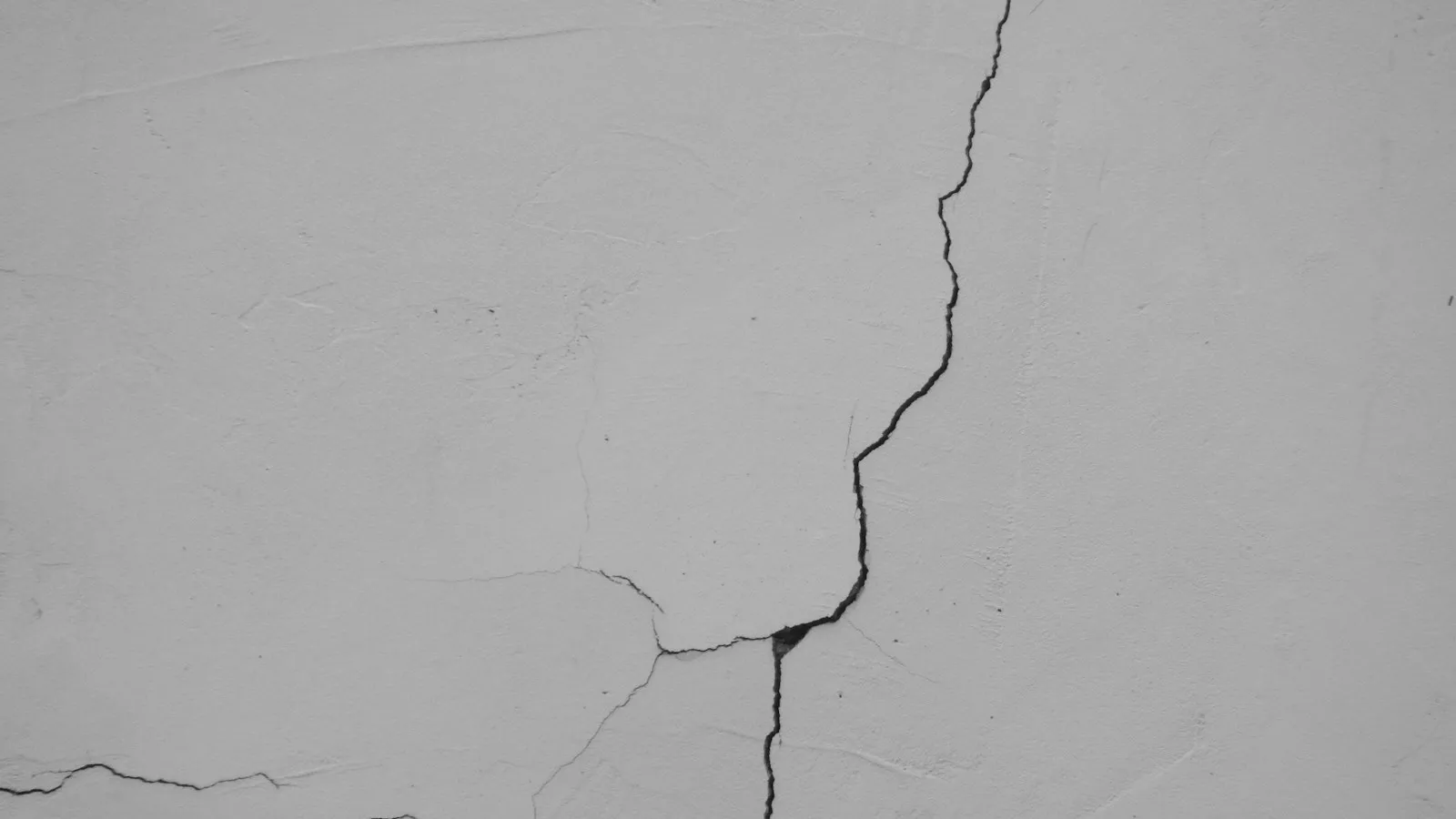
Most cracks in walls are normal and harmless. Thin, straight hairline cracks usually come from the house settling or from building materials shrinking and swelling with the seasons. You should worry more about cracks that are wider than about 1/4 inch, run diagonally, follow a stair-step pattern, keep growing, or show up with sticking doors or sloping floors. Those can point to foundation movement or water problems.
This guide helps you tell the difference, measure and track a crack, and know when it is time to call a pro.
Quick guide: normal or worrying?
| What you see | Usually means | Worry level |
|---|---|---|
| Thin, straight crack under 1/8 inch | Settling or drying materials | Low |
| Crack along a drywall seam or corner tape | Small movement at joints | Low |
| Crack above a door or window corner, thin | Normal stress point | Low to medium |
| Diagonal crack wider than 1/4 inch | Uneven settling or foundation movement | High |
| Stair-step crack in brick or block | Foundation movement | High |
| Horizontal crack in a basement wall | Soil pressure pushing on the wall | High |
| Crack with bulging, sagging, or water stains | Structural or moisture problem | High |
Why walls crack
Houses are always moving a tiny bit. Here are the most common reasons:
- Normal settling. New homes settle into the soil over the first few years. Small cracks are very common during this time.
- Humidity and temperature changes. Wood framing and drywall swell in damp weather and shrink in dry weather. This opens and closes small cracks with the seasons.
- Poor taping. Drywall seams that were not taped well can crack along straight lines.
- Heavy loads. A heavy piece of furniture, a new second-floor bathroom, or a big bookcase can stress a wall.
- Foundation movement. Soil that shrinks, swells, or washes away can make part of the foundation sink or lift.
- Water. Leaks, poor drainage, and gutters that dump water next to the house can soften the soil under your foundation. Hidden leaks inside walls can also damage drywall. Our guide on warning signs of a hidden water leak shows what to look for.
Hairline cracks: usually cosmetic
Hairline cracks are very thin, often about the width of a hair or a credit card edge. They are usually straight or slightly wavy and often start at the corner of a door or window.
These are common in almost every house. If they are not getting bigger, you can simply patch and paint them.
Diagonal cracks: pay attention
Diagonal cracks that run at an angle from the corners of doors and windows can mean one part of the house is settling faster than another. Thin ones may still be normal. Wide ones, or ones that keep growing, need a closer look.
Stair-step and horizontal cracks: call a pro
- Stair-step cracks follow the mortar lines in brick or block walls, like a staircase. They often point to foundation movement.
- Horizontal cracks in basement or foundation walls can mean soil is pushing the wall inward. This is one of the more serious types of cracks.
For either one, get a structural engineer or foundation expert to inspect.
Other warning signs that go with bad cracks
A crack alone is not always a problem. But be concerned if you also notice:
- Doors or windows that suddenly stick or will not close
- Gaps between walls and the ceiling or floor
- Floors that slope or feel bouncy
- Cracks in the foundation or in brick outside
- Walls that bulge or lean
- Water stains or damp spots near the crack
How to measure and track a crack
Tracking a crack for a few weeks tells you if it is stable or growing.
- Measure the width with a ruler or a crack width card. A coin can help too. A dime is a little thicker than 1/32 inch.
- Mark the ends of the crack with a pencil and write the date next to each mark.
- Take a photo with a ruler next to the crack.
- Check again every 2 to 4 weeks. Measure and take a new photo.
If the crack gets longer or wider, it is still moving. That is a good time to call a pro.
How to fix small, stable cracks
If a crack is thin and not growing, you can patch it yourself.
- Widen the crack slightly with a utility knife so the filler has something to grip.
- Clean out dust with a brush.
- Apply mesh drywall tape over the crack for larger cracks.
- Spread joint compound over it with a putty knife. Let it dry.
- Sand lightly and add a second thin coat if needed.
- Prime and paint to match the wall.
For cracks that open and close with the seasons, a flexible, paintable caulk may last longer than regular spackle.
Control moisture to prevent cracks
Big swings in humidity make walls move. Keeping indoor humidity steady, ideally between 30 and 50 percent, helps. Too much moisture can also lead to condensation and mold. If your home feels damp even with the AC running, see our guide on why a house stays humid with the AC on. In winter, watch for water on the inside of your windows.
Outside, keep gutters clean and make sure downspouts send water at least a few feet away from your foundation.
When to call a pro
Call a structural engineer or foundation specialist if:
- A crack is wider than about 1/4 inch
- A crack keeps growing over a few weeks
- You see stair-step or horizontal cracks in brick, block, or the foundation
- Doors and windows start sticking at the same time
- Floors are sloping or walls are bulging
A structural engineer gives an unbiased opinion because they do not sell repairs. Foundation repair companies can also inspect, but they may recommend their own services.
Ceiling cracks: when to worry
Ceilings crack for many of the same reasons walls do. A thin crack along a drywall seam is often just tape or paint wearing out. Get a closer look if you see:
- A crack wider than about 1/8 inch
- A crack that runs across the ceiling and down a wall
- Sagging or a bulge near the crack, at any size
- Several new cracks showing up at once
- Brown stains around the crack, which can mean a roof or plumbing leak above
A sagging ceiling can be a safety problem. Keep people out of that room and call a pro.
Cracks in a new home
Many new homes get small cracks in the first one to three years. Wood framing shrinks as it dries, and the house settles into the soil. These cracks are usually thin and straight, often near door and window corners or at drywall seams.
If your home is new:
- Write down each crack, take a photo, and note the date.
- Check your builder warranty. Many cover drywall cracks in the first year and structural problems for much longer.
- Report cracks to the builder in writing before the warranty ends.
- Ask for an inspection if cracks are wide, growing, or come with doors that stick.
How much does foundation repair cost?
If a pro finds foundation movement, costs vary widely by the problem and where you live. Many national guides put the average foundation repair at about $5,000, with common jobs ranging from a few thousand dollars to much more for major work like piers under the house.
Small foundation cracks that only need sealing can cost a few hundred dollars. A structural engineer's inspection often costs a few hundred dollars too, and it gives you an unbiased report before you pay a repair company.
Nail pops and cracks along drywall seams
Not every line on a wall is a crack in the wall itself.
- Nail pops are small round bumps or circles where a drywall nail has pushed out. They usually come from wood framing that shrinks and swells. They are cosmetic. Drive a drywall screw just above or below the nail, set the nail back in, then patch and paint.
- Seam cracks are straight lines along the joints between drywall sheets, often in a perfect line from the ceiling to the floor. The tape has loosened. Cut out loose tape, re-tape with mesh tape and joint compound, sand, and paint.
Do cracks open and close with the seasons?
Many do. Wood and drywall swell in humid summers and shrink in dry winters, so a hairline crack may look worse in winter and nearly disappear in summer. That kind of crack is usually harmless. A crack that gets wider every season, rather than opening and closing, is the kind to watch closely and show to a pro.
The bottom line
Most wall cracks are thin, straight, and caused by normal settling or seasonal changes. Patch those and move on. But wide, diagonal, stair-step, or horizontal cracks, or cracks that keep growing, can signal foundation or water problems. Measure and track any crack you are unsure about, and call a structural engineer if it gets bigger or comes with sticking doors and sloping floors.
Sources
This guide was checked against these official and manufacturer sources.
Frequently asked questions
Are hairline cracks in walls normal?
Yes. Thin, straight hairline cracks are very common. They usually come from the house settling or from wood and drywall shrinking and swelling with the seasons. They are mostly a cosmetic problem.
What size wall crack is a concern?
Cracks wider than about 1/4 inch are worth having checked. Also get help if a crack keeps growing, runs diagonally or in a stair-step pattern, or shows up along with doors that stick or floors that slope.
Do diagonal cracks mean foundation problems?
Not always, but they can. Diagonal cracks that start at the corners of doors and windows are a common sign that part of the house has moved. If they are wide or growing, ask a structural engineer or foundation expert to look.
Can I just patch a wall crack?
You can patch small, stable cracks with joint compound or spackle. But if the cause is movement or moisture, the crack will come back. Fix the cause first, then patch.
Who should I call about wall cracks?
For worrying cracks, a structural engineer gives an unbiased opinion because they do not sell repairs. A foundation repair company can also inspect, but they may recommend their own services.

Written by
Agha Ali Abbas
Agha Ali Abbas is the founder and editor of TimeToNote. He has worked in SEO and content writing for 18 years, and he checks every guide against manufacturer documentation and official sources before it goes live.
Related guides
Home Problems
Hidden Water Leaks: 9 Warning Signs and How to Find Them
A hidden water leak can quietly damage your home and raise your bill. Learn 9 warning signs, a simple water meter test, how to check toilets, and when to call a plumber.
7 min read

Home Problems
Why Is There Condensation on My Windows? Causes and How to Stop It
Water on the inside of your windows every morning? Learn why windows sweat, what condensation between the panes means, and simple ways to stop it and prevent mold.
7 min read
Home Problems
House Still Humid With the AC On? 8 Reasons and How to Fix It
Your AC is running but the house still feels damp and sticky? Learn why it happens, from an oversized AC to a dirty filter, and easy ways to lower indoor humidity.
7 min read
More guides you may need

Home Problems
Dishwasher Won't Start? No Lights, No Sound: Causes and Fixes
Dishwasher won't start or the panel is dead? Check power, the door latch, the control lock and a hard reset before you call for service. Steps for most brands.
4 min read

Home Problems
Dryer Keeps Blowing the Thermal Fuse? Why It Happens and How to Fix It
Dryer thermal fuse blows again and again? The fuse is a symptom of overheating. Check the vent first, then the thermostats, element and control board.
7 min read