Signs Your Roof Needs Repair or Replacement (and How to Tell Which)
Missing shingles, leaks, or granules in the gutters? Learn 10 signs your roof needs repair or replacement, how long roofs last, and when a repair is enough.
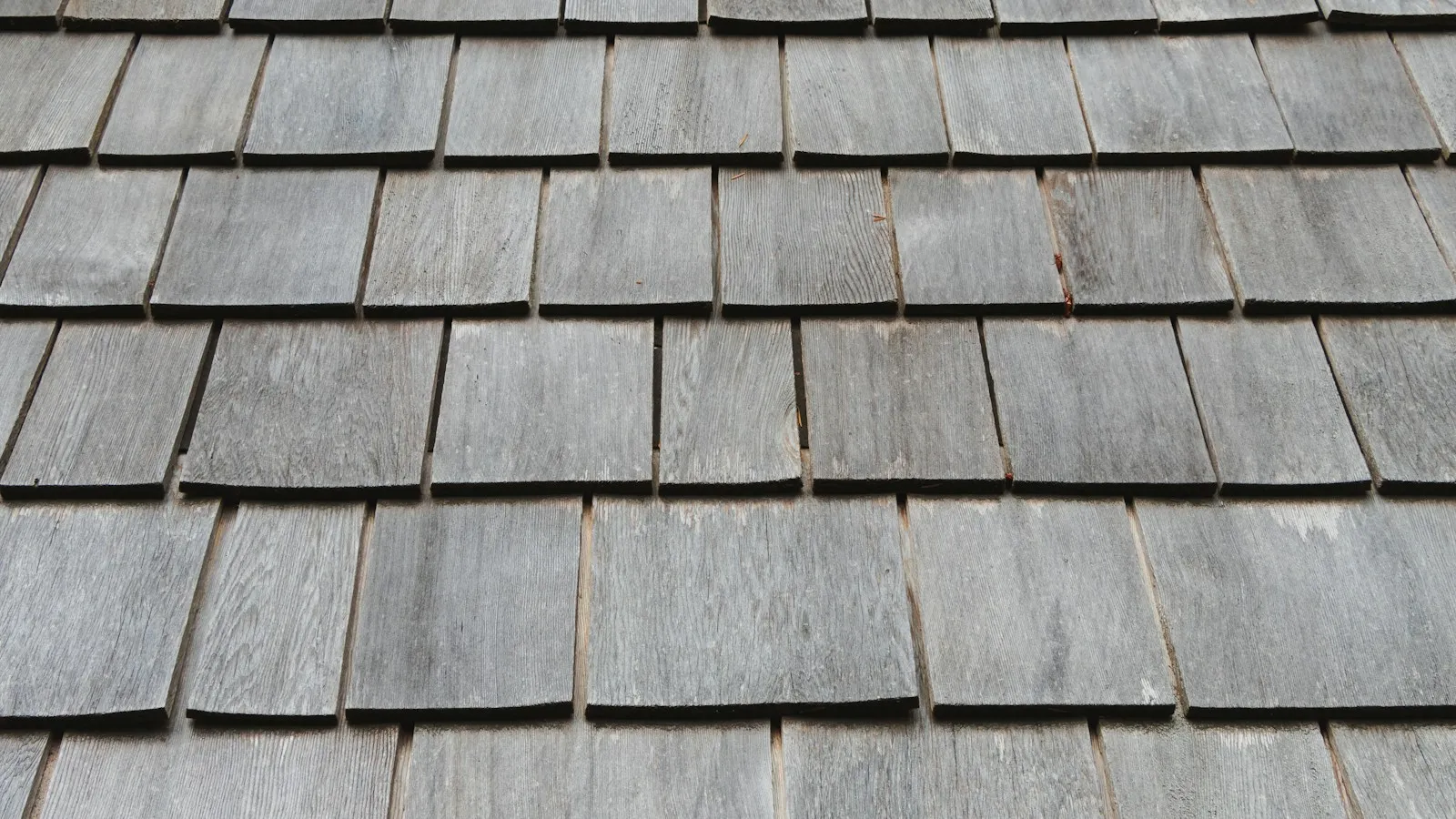
On this page
Your roof may need repair or replacement if you see missing, cracked, or curling shingles, granules piling up in your gutters, water stains on your ceiling, daylight through the attic boards, or a sagging roofline. If the problems are in one small area on a fairly young roof, a repair is usually enough. If they are spread across the roof, or the roof is more than about 20 years old, it is often time to replace it.
Catching roof problems early saves money. A small leak can quietly damage insulation, drywall, and framing long before you see a drip.
Safety first: You do not need to climb on the roof to check it. Use binoculars from the ground, look from a window, or check from the attic. Leave roof work to a pro.
How long do roofs last?
| Roof type | Typical lifespan |
|---|---|
| 3-tab asphalt shingles | About 15 to 20 years |
| Architectural asphalt shingles | About 20 to 30 years |
| Wood shakes | About 20 to 30 years |
| Metal | 40 years or more |
| Tile or slate | 50 years or more |
Hot sun, hail, strong winds, and poor attic ventilation can shorten these numbers. If you do not know your roof's age, check your home inspection report or ask the seller or previous owner.
10 signs your roof needs attention
1. Missing shingles
A few missing shingles after a storm are often an easy repair. Many missing shingles across the roof can mean the roof is wearing out.
2. Curling or buckling shingles
Shingles that curl up at the edges or cup in the middle are losing their shape, usually from age or heat. This often means the roof is near the end of its life.
3. Cracked shingles
Cracks let water get underneath. A few can be replaced. Widespread cracking points to replacement.
4. Granules in the gutters
Asphalt shingles are covered in small, sand-like granules that protect them from the sun. Owens Corning notes that heavy granule loss is a strong sign a roof needs replacing. Look in gutters and at the bottom of downspouts.
5. Water stains on ceilings or walls
Brown or yellow stains on the ceiling, especially on the top floor, often mean a roof leak. Leaks can also start at flashing around chimneys, vents, and skylights. Our guide on hidden water leak warning signs shows what to look for.
6. Daylight in the attic
Go into the attic on a sunny day with the lights off. If you see light coming through the roof boards, water can get in too.
7. Sagging roof
A roofline that dips or sags can mean the roof deck or supports are weak or wet. Call a pro right away.
8. Damaged flashing
Flashing is the metal around chimneys, vents, and valleys. If it is rusted, loose, or missing, water can leak in even if the shingles look fine.
9. Moss, algae, and dark streaks
Dark streaks are often algae and are mostly cosmetic. Thick moss, though, holds water against the shingles and can lift them. Have it cleaned gently, never with a pressure washer.
10. Rising energy bills and an unusually warm attic
A worn roof and poor attic ventilation can let heat escape in winter and build up in summer. Check the attic for air gaps too. Our guide on finding air leaks in your home can help.
Repair or replace? A quick guide
| Situation | Usually |
|---|---|
| Roof under 15 years old with damage in one small area | Repair |
| A few missing shingles after a storm | Repair |
| Leak around one vent, chimney, or skylight | Repair the flashing |
| Curling or cracking shingles across the roof | Replace |
| Heavy granule loss in many spots | Replace |
| Roof over 20 years old with several problems | Replace |
| Sagging roof deck | Call a pro right away, often replace |
| Two layers of shingles already | Replace (tear off) |
After a storm: what to do
- Look from the ground for missing shingles, dented gutters, or fallen branches.
- Check the attic and top-floor ceilings for new stains.
- Take photos with the date.
- Call your insurance company soon if you see storm damage. Insurance often covers sudden damage, but not normal wear.
- Be careful with door-to-door roofers after big storms. Get written quotes from local, licensed, insured contractors.
If you notice new cracks inside after a big storm, see our guide on cracks that appear after a storm.
Keep your roof in good shape
- Clean gutters at least twice a year so water drains away.
- Trim branches that hang over the roof. Our tree trimming cost calculator gives a price estimate.
- Keep the attic ventilated so heat and moisture can escape.
- Get a roof inspection every few years and after major storms.
How much do roof repairs and replacements cost?
Prices vary a lot by region, roof size, pitch, and material. HomeGuide puts the average roof repair at about $900, with most jobs between $300 and $3,000. Here are rough U.S. ranges to help you plan. Always get written quotes.
| Job | Rough cost range |
|---|---|
| Small leak or a few missing shingles | About $150 to $1,000 |
| Fix flashing around a chimney or vent | About $240 to $700 |
| Moderate repair (larger area, some decking) | About $600 to $1,500 |
| Full asphalt shingle roof replacement (average home) | Often about $10,000, and up to $20,000 or more for large or steep roofs |
| Metal roof replacement | Often much more than asphalt |
A repair that costs more than about a third of a new roof may not be worth it on an old roof. Ask your roofer to explain both options.
How to check your roof safely from the ground
- Use binoculars to look at each side of the roof.
- Look for patterns, like missing shingles in one area or dark patches.
- Check the gutters for granules, shingle pieces, or sagging.
- Walk around the house and look at the roofline from a distance. It should look straight.
- Take photos so you can compare them next year.
How to check from the attic
- Go up on a sunny day with a flashlight.
- Look for water stains, dark spots, or mold on the wood.
- Check if insulation is wet or flattened.
- Look for light coming through.
- Feel for soft or spongy spots on the roof boards from below, only where it is safe to reach.
How to choose a roofer
- Check the license and insurance. Ask for proof of liability and workers' compensation insurance.
- Get at least three written quotes with the same scope of work.
- Ask about the warranty for both materials and labor.
- Read local reviews and ask for references from recent jobs.
- Get a written contract that lists materials, start date, cleanup, and payment terms.
- Avoid paying in full upfront. A deposit is normal, but the final payment should come after the job is done.
Watch out for storm chasers
After big storms, some out-of-town roofers go door to door. Be careful if someone:
- Pressures you to sign right away
- Offers to "cover your deductible"
- Asks for full payment before starting
- Has no local address or license
Your insurance company and local building department can help you check a contractor.
Roof maintenance calendar
| When | Task |
|---|---|
| Spring | Check for winter damage, clean gutters |
| Summer | Trim branches, check attic ventilation |
| Fall | Clean gutters again, check flashing and seals |
| Winter | Watch for ice dams and attic leaks |
| After big storms | Look for missing shingles and new stains |
| Every few years | Professional roof inspection |
How roof age affects insurance
Many insurers look closely at roofs once they reach about 15 years old. For older roofs, a policy may pay actual cash value instead of replacement cost:
- Replacement cost pays what it costs to put on a new roof, minus your deductible.
- Actual cash value takes away an amount for age and wear, so you get much less for an old roof.
Some areas also have a separate hail or wind deductible, often a percentage of your home's insured value. Read your policy before storm season so you are not surprised.
Best time of year to replace a roof
- Fall is often called the best time, because mild weather helps shingles seal before winter. But it is also the busiest season, so book early.
- Late spring and early summer can be cheaper and easier to schedule.
- Winter is possible in many places, but cold can keep shingles from sealing right away.
The bottom line
Watch for missing, curling, or cracked shingles, granules in the gutters, ceiling stains, daylight in the attic, and sagging. Small problems on a young roof can usually be repaired. Widespread wear, heavy granule loss, or a roof over 20 years old usually means it is time to replace it. Check from the ground or the attic, not the roof, and get at least three quotes from licensed roofers.
Sources
This guide was checked against these official and manufacturer sources.
Frequently asked questions
How do I know if my roof needs to be replaced?
Common signs are a roof that is more than 20 years old, shingles that are curling, cracked, or missing in many places, lots of granules in the gutters, daylight through the roof boards in the attic, and a roof deck that sags. Leaks in several spots also point to replacement.
How long does a roof last?
Basic three-tab asphalt shingles often last about 15 to 20 years. Thicker architectural shingles often last 20 to 30 years. Metal roofs can last 40 years or more. Climate, attic ventilation, and installation quality all affect how long a roof lasts.
Can I repair a roof instead of replacing it?
Often, yes. If the roof is fairly young and the damage is limited to a small area, like a few missing shingles or a leak around a vent, a repair is usually enough. If problems are spread across the roof or it is near the end of its life, replacement is often the better value.
Does homeowners insurance pay for a new roof?
Insurance usually covers damage from sudden events like hail, wind, or a fallen tree. It usually does not cover wear from age. Take photos and call your insurer soon after a storm.

Written by
Agha Ali Abbas
Agha Ali Abbas is the founder and editor of TimeToNote. He has worked in SEO and content writing for 18 years, and he checks every guide against manufacturer documentation and official sources before it goes live.
Related guides
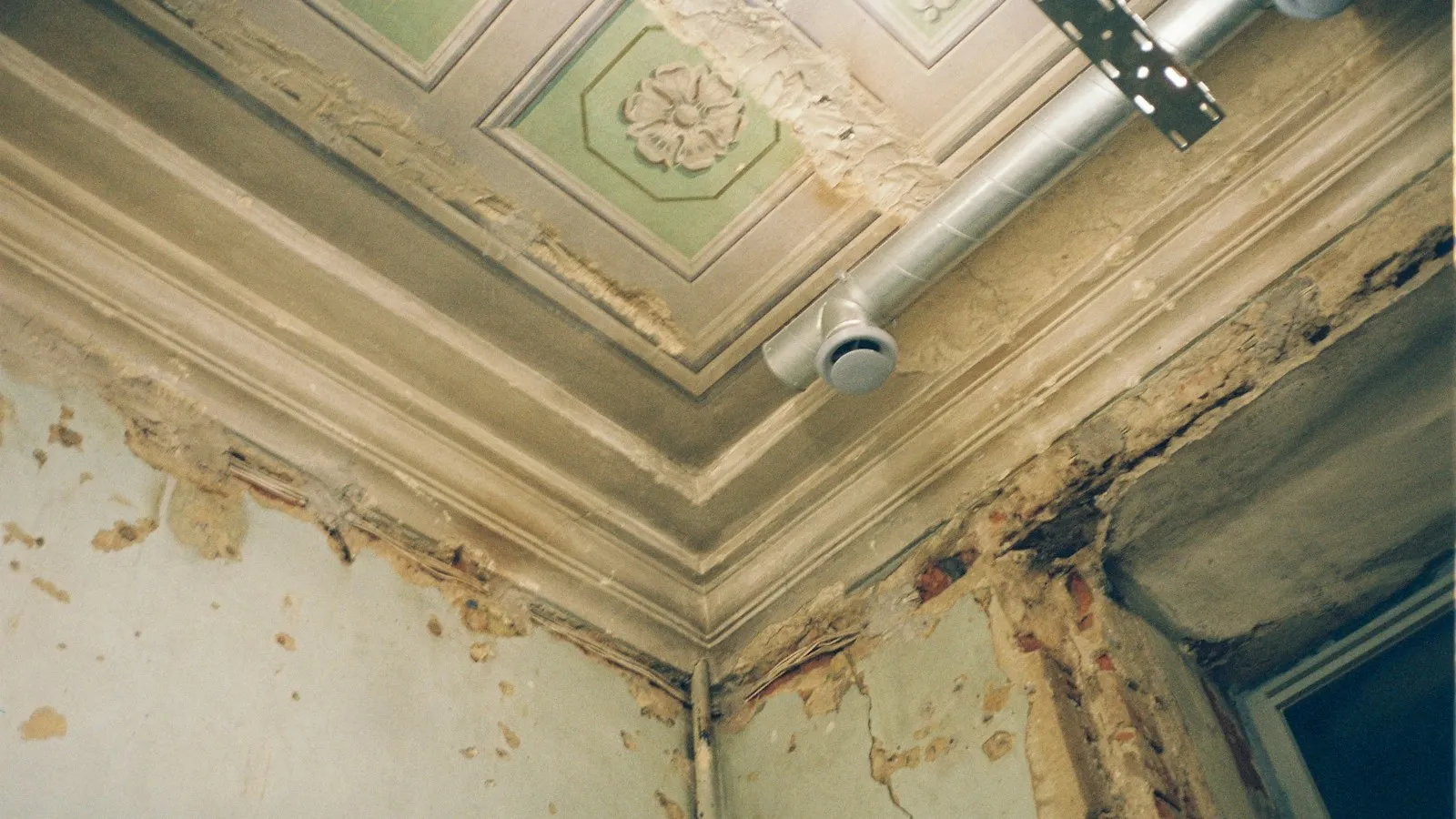
Home Problems
Hidden Water Leaks: 9 Warning Signs and How to Find Them
A hidden water leak can quietly damage your home and raise your bill. Learn 9 warning signs, a simple water meter test, how to check toilets, and when to call a plumber.
7 min read
Home Problems
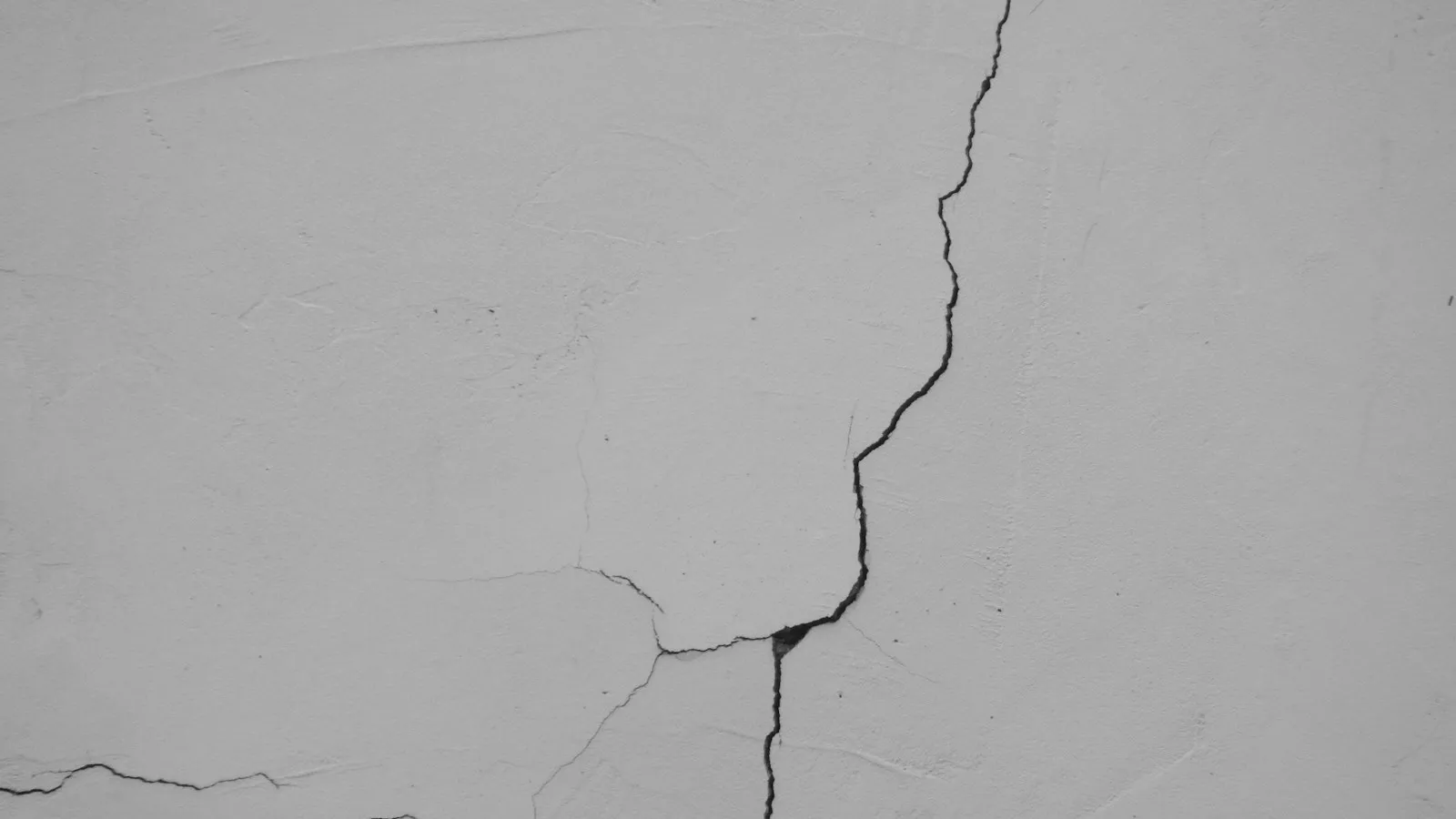
Cracks in Walls: When to Worry (and When It's Normal)
Found a crack in your wall? Learn which cracks are normal, which ones point to foundation problems, how to measure and track them, and when to call a pro.
7 min read
Home Problems
How to Find Air Leaks in Your House (and Seal Them Cheaply)
Drafty rooms and high energy bills? Learn 7 easy ways to find air leaks in your house, the most common leak spots, and cheap ways to seal them yourself.
7 min read
More guides you may need

Home Problems
Bathroom Fan Not Pulling Air? Causes and Fixes
Bathroom exhaust fan weak, loud or not pulling air? Do the tissue test, clean the grille and check the duct and outside vent. Here is what to fix first.
4 min read
Home Problems
Ceiling Fan Keeps Turning On by Itself? Remote, Interference and Power Causes
Ceiling fan or its light starts on its own? Check the remote, matching DIP switches, a neighbor's remote, a power cut reset and the wall switch.
5 min read