How to Get Rid of Stink Bugs in Your House (Without the Smell)
Stink bugs in your house this fall? Learn why they come inside, how to remove them without the smell, a simple DIY trap, and how to seal your home to keep them out.
On this page
To get rid of stink bugs in your house, gently catch them in a jar of soapy water or use a vacuum you keep just for bugs, then seal the cracks where they get in. Do not squash them, because that releases the smell. And skip indoor bug sprays, since they do not keep new stink bugs out.
Stink bugs are annoying, but they are harmless. They do not bite, they do not eat your food, and they do not damage your home. They are just looking for a warm place to spend the winter, and your house looks like a great spot.
This guide shows you easy ways to remove them without the stink, a simple trap you can make at home, and how to keep them out for good.
Why stink bugs come inside
The stink bug most people find at home is the brown marmorated stink bug. It came to the United States from Asia and was first found here in the late 1990s. Since then, it has spread to most states.
In late summer and fall, as days get shorter and cooler, stink bugs look for a sheltered place to spend the winter. In nature, they hide under tree bark. Around homes, they crawl into:
- Gaps around windows and doors
- Cracks in siding and under roof trim
- Spaces around pipes, cables, and outdoor faucets
- Attic and wall vents
- Torn window screens
Once inside, they settle in walls and attics. On warm winter days, they wake up and wander into your living space, often near windows and lights.
How to tell if it is a stink bug
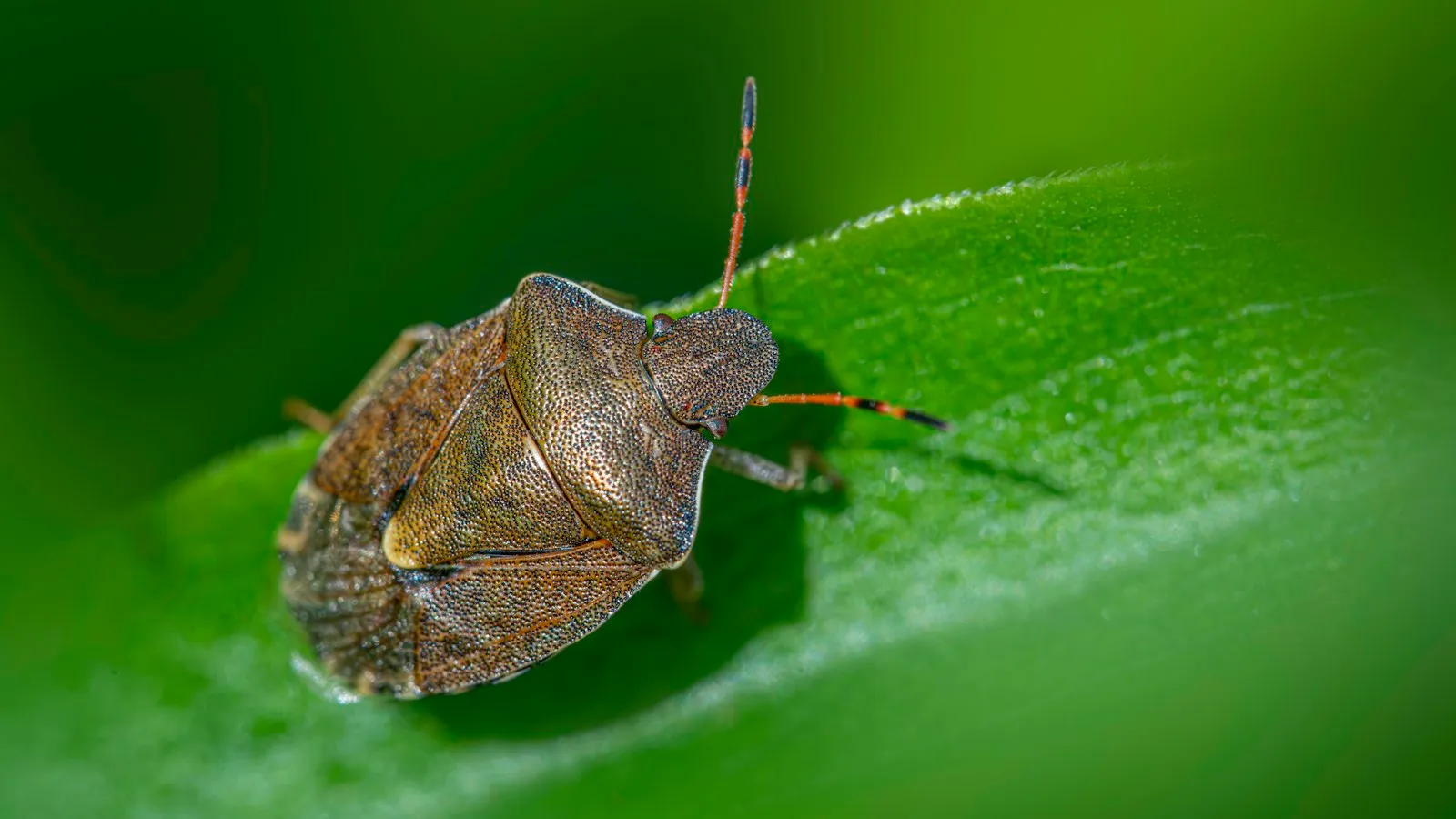
Stink bugs are easy to spot:
- About half an inch long
- Shaped like a shield
- Mottled brown or gray color
- Light and dark bands on the antennae and on the edges of the body
- A strong smell, a bit like cilantro, when disturbed or crushed
9 ways to get rid of stink bugs in your house
1. Drop them in soapy water
This is the easiest method and makes no smell in your home.
- Fill a jar or plastic bottle about a third full of water.
- Add a good squirt of dish soap and stir.
- Hold the jar under the stink bug and gently tap or brush it in.
The soap breaks the surface of the water, so the bug sinks and cannot climb out. When you are done, flush the water down the toilet.
Tip: A plastic water bottle with the top cut off works well for bugs on walls and ceilings.
2. Use a vacuum for bugs only
A vacuum is great when you have lots of stink bugs, like on a sunny window. The downside is that the vacuum may smell for a while after.
- Use a shop vac or an old vacuum that you keep just for bugs.
- Or slide a knee-high stocking into the vacuum hose and hold it with a rubber band. The bugs get caught in the stocking, and you can tie it off and throw it away.
- Empty the bag or canister outside.
3. Pick them up with a tissue, gently
For a single bug, pick it up with a tissue without squeezing it. Put it outside or drop it into soapy water. If you squeeze, you will smell it.
4. Make a simple light trap
Stink bugs are drawn to light at night. You can make a trap with things you already have.
- Fill an aluminum pan or shallow baking dish with water and a few drops of dish soap.
- Place it on the floor under a desk lamp in a dark room.
- Turn off all other lights.
- In the morning, dump out the bugs.
This works best in attics, spare rooms, and other places where the bugs gather.
5. Seal cracks and gaps
This is the most important step. Penn State Extension says that keeping bugs out, called exclusion, is the best way to stop them.
- Caulk cracks around window frames, door frames, and siding.
- Seal gaps where pipes, cables, and outdoor faucets enter the house.
- Fill larger holes with expanding foam or steel wool.
The best time to do this is late summer, before the bugs start moving in.
6. Fix screens and add weatherstripping
- Repair or replace torn window and door screens.
- Add weatherstripping around doors and windows.
- Put a door sweep on the bottom of outside doors.
7. Screen your vents
Cover attic vents, soffit vents, and exhaust vents with fine window screen. Check that dryer vent flaps close all the way.
8. Check window air conditioners
Window AC units leave gaps where bugs can crawl in. Remove them before fall if you can, or seal around them with foam strips.
9. Keep outdoor lights low
Bright outdoor lights near doors draw bugs close to your home. Use yellow "bug" bulbs, or turn off porch lights when you do not need them.
What not to do
- Do not squash them. This releases the smell, and it can stain walls and fabric.
- Do not spray insecticides indoors. Penn State Extension advises against it. Dead bugs inside walls can attract carpet beetles and other pests.
- Do not use bug bombs. They do not reach bugs hiding inside walls.
- Do not flush live bugs without soapy water. They can survive a plain water flush.
Should you call pest control?
For most homes, the tips above are enough. A pest control company can spray the outside of your home in late summer to cut down on how many bugs get in, but this does not stop them all. Sealing gaps still does most of the work.
Think about a pro if:
- You find hundreds of stink bugs every day
- They are getting in through places you cannot reach, like high roof lines
- You also see other pests, like ants or mice
Stink bugs in winter and spring
If you still see stink bugs in the middle of winter, they are coming out of your walls or attic on warm days. Keep catching them with soapy water. In spring, they will try to leave to go back outside. Open windows with screens can help them find their way out, but keep sealing the gaps you find so fewer come back next fall.
Other bugs can show up when the weather changes too. If you see small orange beetles on sunny windows, read our guide on getting rid of ladybugs and Asian lady beetles. If you see tiny flies around your fruit bowl or houseplants, our guides on getting rid of fruit flies and stopping gnats in your home can help.
What if your pet eats a stink bug?
Cats and dogs love to chase bugs. A stink bug is not poisonous, but its bad-tasting spray can upset a pet's stomach. Your pet may drool a lot or throw up. This usually passes quickly.
Call your vet if your pet keeps vomiting, will not eat, or ate a lot of stink bugs at once.
Do natural repellents work?
You will see many tips online about essential oils. Lab research on the brown marmorated stink bug has found that some oils, like clove, lemongrass, and spearmint, can keep the bugs away from traps. That does not mean a few drops at home will stop an invasion, and the smell fades fast.
If you want to try it:
- Mix a few drops of oil with water in a spray bottle and spray around window frames and doors on the outside.
- Do it again every few days.
- Keep oils away from pets. Many essential oils, including lemongrass, can be harmful to cats and dogs.
Sealing gaps still works much better than any spray.
Stink bugs in the garden
Outdoors, stink bugs feed on plants by sucking juice from leaves, fruits, and seeds. They leave small pits and pale spots. Tomatoes, peppers, beans, and fruit trees are common targets.
- Hand pick them into soapy water in the early morning, when they move slowly.
- Remove weeds near the garden, which give them shelter.
- Use row covers on young plants.
- Pick fruit as soon as it is ripe.
Bugs that look like stink bugs
Several fall bugs look alike. Knowing which one you have helps you pick the right fix.
| Bug | How to spot it | What to do |
|---|---|---|
| Brown marmorated stink bug | Brown, shield-shaped, light bands on the antennae and edges | Use the steps in this guide |
| Boxelder bug | Black with red or orange lines | Seal gaps, vacuum them up |
| Western conifer seed bug | Long, brown, with leaf-shaped flat parts on the back legs | Seal gaps, vacuum them up |
| Asian lady beetle | Round, orange or red, often with spots and an "M" mark | See our guide to getting rid of ladybugs in the house |
All of these come inside for the same reason: to spend the winter somewhere warm. Sealing cracks works for every one of them.
The bottom line
Stink bugs come inside in the fall to stay warm, but they are harmless. Remove them by dropping them into soapy water or using a bug-only vacuum, and never squash them. Then seal cracks, fix screens, and cover vents so fewer bugs get in next year. A little work before fall can keep your home almost stink bug free.
Related: fall is also when rodents move in. See our mouse removal guide.
Sources
This guide was checked against these official and manufacturer sources.
Frequently asked questions
Why do I have stink bugs in my house?
Stink bugs come inside in the fall to find a warm place to spend the winter. They crawl in through small cracks around windows, doors, siding, and vents. They are not attracted to dirt or food, so having them does not mean your home is dirty.
Are stink bugs harmful?
No. Stink bugs do not bite or sting people or pets, they do not carry disease, and they do not damage your home or furniture. They are mostly a smelly nuisance.
Do stink bugs lay eggs in your house?
They usually do not breed indoors. The ones you see inside are resting for the winter. In spring, they try to go back outside to feed and lay eggs on plants.
What is the fastest way to get rid of stink bugs?
Knock them into a jar or bottle of soapy water, or use a vacuum you keep just for bugs. Then seal the cracks where they are getting in so more do not follow.
Should I spray insecticide for stink bugs indoors?
No. Penn State Extension advises homeowners not to use insecticides indoors for stink bugs. Sprays do not stop more from coming in, and dead bugs inside walls can attract other pests.

Written by
Agha Ali Abbas
Agha Ali Abbas is the founder and editor of TimeToNote. He has worked in SEO and content writing for 18 years, and he checks every guide against manufacturer documentation and official sources before it goes live.
Related guides
Everyday Solutions
How to Get Rid of Fruit Flies: Easy Traps and Tips to Keep Them Away
Get rid of fruit flies for good: find where they breed, set easy DIY traps, and break their life cycle in about two weeks. Simple steps anyone can follow.
8 min read
Everyday Solutions
How to Get Rid of Gnats in Your House Fast (and Keep Them Away)
Gnats in your house? Find out which kind you have, trap the adults, and kill the eggs in plant soil and drains with simple, safe methods that really work.
10 min read
Home Problems
Why Is There Condensation on My Windows? Causes and How to Stop It
Water on the inside of your windows every morning? Learn why windows sweat, what condensation between the panes means, and simple ways to stop it and prevent mold.
7 min read
More guides you may need
Everyday Solutions
How Long to Thaw a Turkey (Fridge, Cold Water, and Cooking Times)
Thaw a turkey in the fridge for 1 day per 4 to 5 pounds, or in cold water for 30 minutes per pound. See the full chart by weight, cooking times, and safety tips.
7 min read

Everyday Solutions
How Much Does a Dehumidifier Cost to Run? Per Hour, Day and Month
A typical dehumidifier costs 5 to 13 cents an hour to run. See the cost per day and month by size, how to work out your own bill, and how to cut it.
8 min read