Electric Stove Burner Won't Turn Off? Causes and Safe Fixes
Electric stove burner stuck on high or won't shut off? Turn off the power first, then learn if it's the burner switch, a relay or a hot-surface light.
On this page
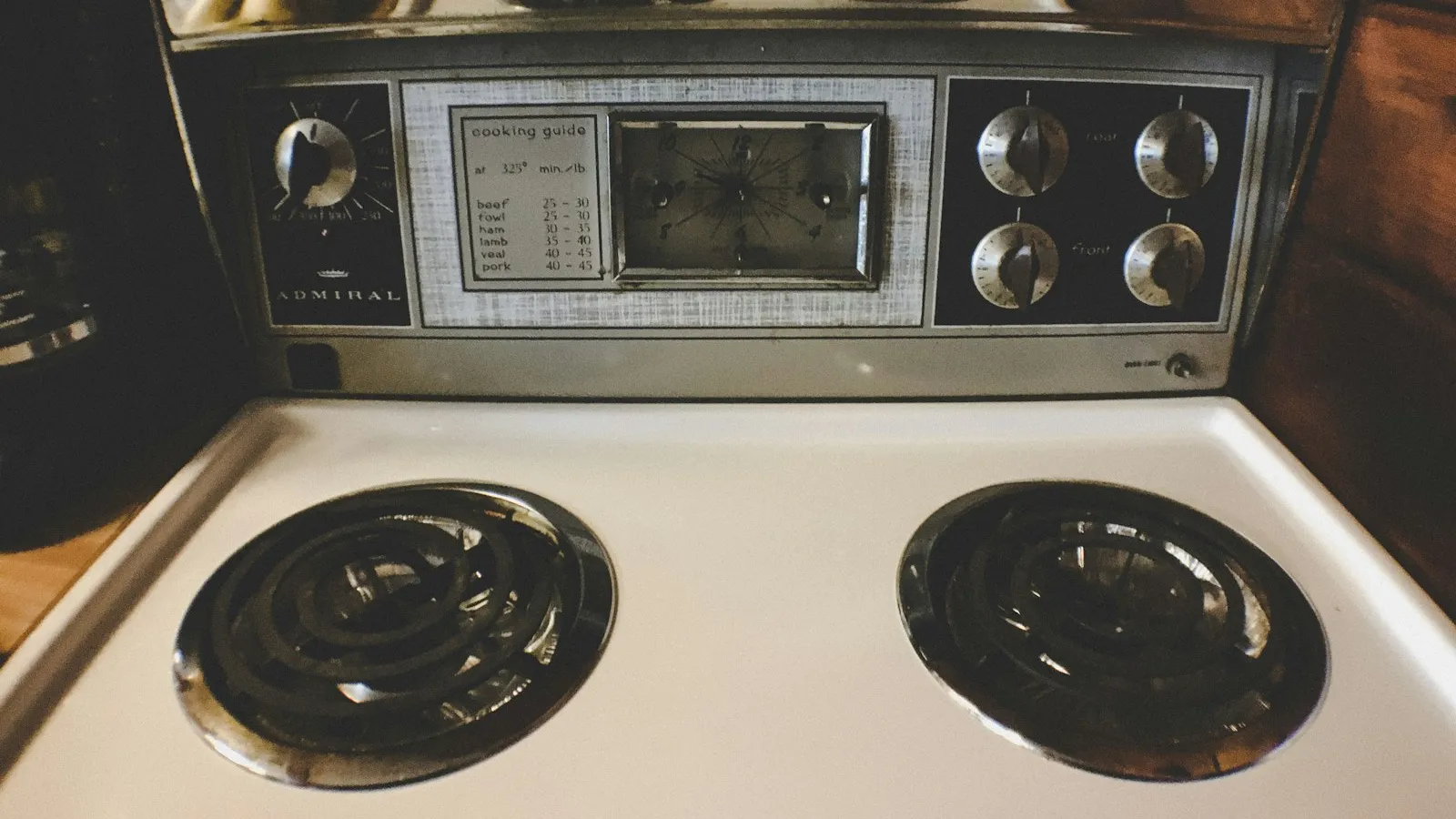
If an electric stove burner will not turn off, shut off the range at the breaker or unplug it right away. The usual cause is a worn burner switch (often called an infinite switch) or a stuck relay on the control board. A hot surface light only means the cooktop is still warm. Do not use the stove again until it is repaired.
A burner that stays on is a fire and burn risk, so treat it as urgent. Once the power is off, the checks below show what failed and what you can safely do.
Why won't my electric stove burner turn off?
- A worn burner switch. Coil ranges and many smoothtop ranges use an infinite switch for each burner. When it wears out, it can stick closed and keep sending power.
- A stuck relay on the control board. Newer ranges with electronic controls use relays. A relay can weld shut and leave the element powered.
- A shorted element or a burned receptacle. On a coil burner, a damaged receptacle can arc and heat even when the switch is off.
- A control knob or touch panel fault. Some digital controls glitch after a power surge or spill.
- A hot surface light. Not a fault. The light stays on until the glass cools.
Switch faults are among the most commonly reported causes for burners that run only on high or never shut off.
Which problem do you have?
| What you see | Likely cause |
|---|---|
| One coil glows with the knob off | Infinite switch or receptacle |
| Burner works only on high | Infinite switch |
| Hot surface light on, nothing glowing | Normal, cooktop is cooling |
| Several burners stay on | Control board relay |
| Burner heats and trips the breaker | Shorted element or wiring |
| Burning smell near the knobs | Overheated switch or wiring |
What to do right now
- Switch off the breaker for the range, or unplug it if you can reach the plug safely.
- Move pans off the burner. Use oven mitts. Keep towels and pot holders clear.
- Let it cool. A coil or a glass surface stays hot for a while after the power is off.
- Do not use the burner again until you know the cause.
How to fix it
- Turn the knob through all positions. If it feels loose, gritty or does not click, the switch is worn.
- Pull out the coil (coil ranges only, cold and unplugged). Look at the receptacle for burn marks, melted plastic or a loose fit. Replace a coil or receptacle that looks scorched.
- Swap a coil to test it. On a coil range, move a working coil to the problem spot. If the problem follows the coil, replace the coil. If it stays at the spot, the switch or the receptacle is the culprit.
- Replace the infinite switch. With the power off, pull the knob, remove the control panel or the cooktop as the manual describes and swap in the exact part for your model. Take a photo of the wiring first.
- Test it. Restore power, turn the burner on and off and watch it for a few minutes.
Coil range or glass top?
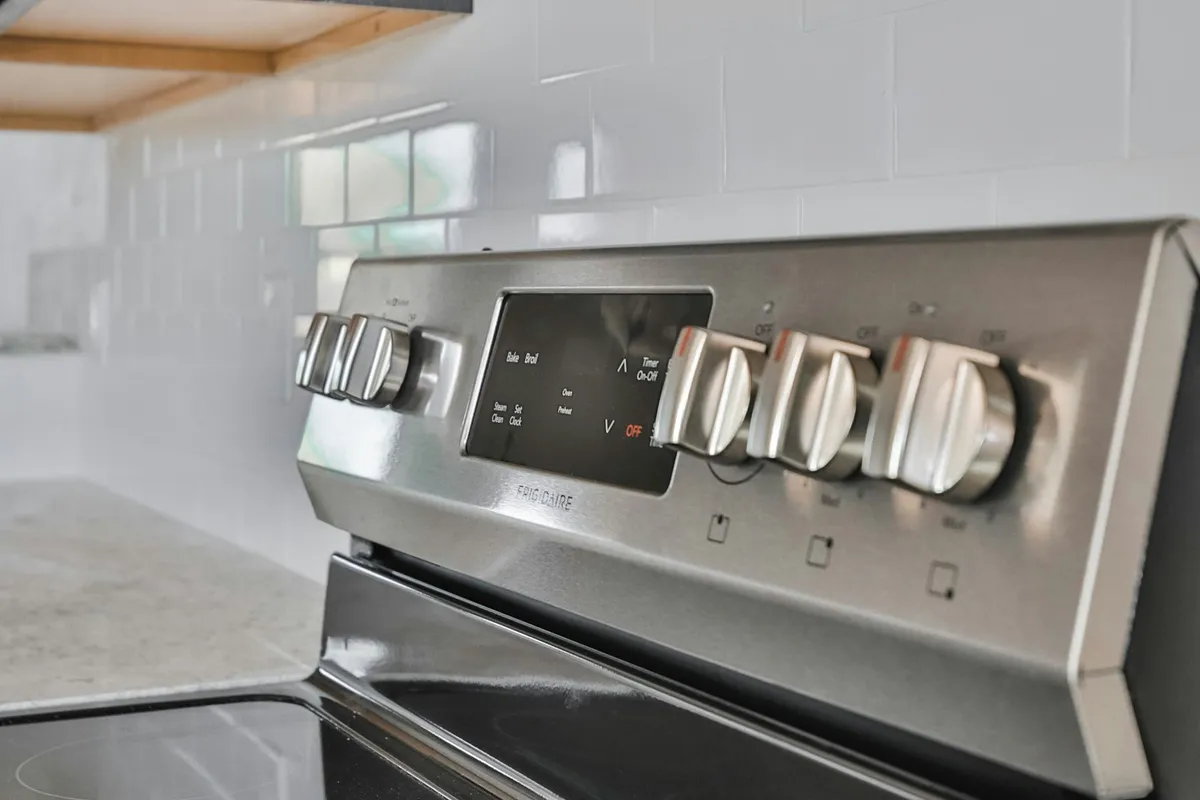
Coil ranges are the easier fix. Coils unplug, the switches sit behind the control panel, and parts are widely sold. Glass and ceramic cooktops are more delicate. The switch or control board sits under the glass or behind the console, and lifting the cooktop can crack it. Many people leave a smoothtop repair to a technician, particularly when the controls are touch-based.
If your range is under warranty, or if it is part of a recall (check the model and serial number on the manufacturer's site), contact the manufacturer before you repair it yourself.
Is it worth repairing?
A switch or a coil is a modest part, and replacing it is much cheaper than a new range. A control board is a bigger cost. If your range is over 12 to 15 years old and needs a board, compare the quote with a new range. If the oven also fails, see an oven that will not heat while the stove top works.
When to call a professional
Call a licensed electrician or appliance technician if:
- The burner will not turn off even after you replace the switch.
- More than one burner stays on.
- You see scorching, melted wire or a damaged receptacle.
- The breaker trips whenever the burner is on, as in the usual reasons breakers trip.
- You have a smoothtop and are unsure how to open it.
If you have a gas range that clicks and will not stop, that is a different problem, covered in a gas stove that clicks nonstop.
What not to do
- Do not leave a burner on to "wear out" the fault.
- Do not pour water on a hot burner.
- Do not open the range with the breaker on.
- Do not keep cooking on a burner that stays on high.
Bottom line
Cut the power first. Then check the switch, the receptacle and the coil. A worn switch is the most likely culprit and is usually inexpensive to replace. When in doubt, especially with glass tops or several burners, call a technician. If you notice smoke while you cook, read an oven that fills the kitchen with smoke.
Sources
This guide was checked against these official and manufacturer sources.
Frequently asked questions
Why does my electric stove burner stay on when the knob is off?
On coil and many smoothtop ranges, a worn infinite switch can stay closed, or a relay on the control board can stick. Both keep sending power to the element.
Is a hot surface light a sign that the burner is on?
No. A hot surface indicator only means the cooktop is still warm. It goes out once the surface cools.
How do I turn off a burner that won't shut off?
Switch off the range at the breaker, or unplug it. Do not wait for it to cool on its own while the element is still powered.
Can I replace the burner switch myself?
On many coil ranges, yes, with the power off and a part that matches your model. On a glass cooktop or if you are unsure, call a technician.

Written by
Agha Ali Abbas
Agha Ali Abbas is the founder and editor of TimeToNote. He has worked in SEO and content writing for 18 years, and he checks every guide against manufacturer documentation and official sources before it goes live.
Related guides
Home Problems
Oven Not Working but the Stove Top Is? Causes and Fixes (Gas and Electric)
Stove top works but the oven will not heat? Check settings, the bake element or igniter, the thermal fuse and the control board. Safe steps for gas and electric.
7 min read
Home Problems
Why Does My Gas Stove Keep Clicking? 6 Quick Fixes That Work
Gas stove clicking nonstop or not lighting? Find the cause in minutes with these 6 easy fixes. Plus safety tips and when to call a pro.
10 min read
Home Problems
Why Is My Oven Smoking? 8 Causes and What to Do Right Now
Oven smoking when you preheat or cook? Find out if it is spilled grease, a new oven burn-off, or something unsafe, and what to do right now to fix it.
7 min read
More guides you may need
Home Problems
Dishwasher Keeps Filling With Water? Causes and What to Do Right Away
Dishwasher will not stop filling or fills when off? Shut off the water first, then check the inlet valve, float and drain hose. Safe steps and when to call a pro.
6 min read
Home Problems
Dishwasher Keeps Tripping the Breaker? Causes and Fixes
Dishwasher tripping the breaker? Find out whether it's a shared circuit, a leak or a failed heating element, and which checks are safe to do yourself.
5 min read