Oven Not Working but the Stove Top Is? Causes and Fixes (Gas and Electric)
Stove top works but the oven will not heat? Check settings, the bake element or igniter, the thermal fuse and the control board. Safe steps for gas and electric.
On this page
When the stove top works and the oven does not, the range has power, so the problem is an oven-only part. On an electric oven, check the settings and the bake element first. On a gas oven, watch whether the igniter glows. Then think about the thermal fuse, the temperature sensor and the control board. Never test 240-volt wiring yourself, and if you smell gas, leave and call your gas company.
It is a strange feeling. All four burners light, the clock is on, and the oven simply will not heat. You may hear nothing, or the oven may light up but stay cold. The good news is that the burners working is a useful clue. It narrows the cause a lot.
This guide follows the order repair technicians suggest. It starts with free checks and moves toward parts. The advice comes from appliance repair forums and technician-written guides. Where parts and wiring differ by brand, we say so.
Why the stove top working matters
On most ranges the burners and the oven share a power feed but use separate parts. Burners use their own switches or igniters. The oven uses a bake element (electric) or an igniter and gas valve (gas), a temperature sensor, a thermal fuse and the control board.
Sources disagree on whether the oven and burners share a 240-volt circuit or run on separate ones. Either way, the parts that fail are usually oven-specific, so a working stove top does not point to a house wiring fault.
| What you see | Most likely cause |
|---|---|
| Electric oven, display works, never gets hot | Bake element, thermal fuse, temperature sensor or control board |
| Gas oven, clicks or lights but will not stay on | Igniter or gas valve |
| Oven does not respond at all, display is dark | Control board, lost power to the oven, or a lock setting |
| Stopped right after a self-clean cycle | Thermal fuse |
| Oven works only on broil | Bake element or the circuit that feeds it |
Step 1: Rule out settings and locks
These take two minutes and fix more cases than people expect.
- Door closed fully. Some ovens will not start if the door latch is not engaged.
- Control lock or child lock. Many ovens have a lock that blocks the oven but leaves the cooktop alone.
- Clock and mode. Make sure the oven is set to Bake with a temperature, not to a timer or Delay Start.
- Sabbath or demo mode. Some models have modes that keep the oven from heating. Check your manual.
If the display shows an error code, write it down and look it up in the manual for your model.
Step 2: Check the breaker, but do not assume it is the cause
Since the stove top works, a tripped main breaker is unlikely. Some ranges, though, split power between two breakers or have a separate oven breaker. Look in the panel for a double-pole breaker labeled Range or Oven. If it is half-tripped, switch it fully off and on once. If it trips again, stop and call a technician. Our guide to the reasons a range breaker trips explains why you should not keep resetting it.
If you have an electric oven
The bake element
The bake element is the coil on the oven floor, or hidden under it. It is the most common failed part.
- Turn off the breaker and unplug the range if you can reach the plug.
- Look at the element. Cracks, blisters, a broken end or a burnt spot mean it has failed.
- If it looks fine, a technician can check it with a multimeter. One guide says a healthy element usually reads about 15 to 30 ohms, and an open circuit means it needs replacing. Treat that figure as a rough guide and use your model's service data.
Test by turning the oven to Bake after replacing it and watching that the element glows red. If the oven works on Broil but not on Bake, the bake element is the likely suspect.
The thermal fuse
This is a safety fuse that opens if the oven overheats. A repair source notes that a blown thermal fuse is common after a self-cleaning cycle. Once it blows, the oven may not heat at all, and sometimes the control stays dark.
Do not bypass it. The fuse is there to stop a fire. A blown fuse can mean the oven overheated for a reason, such as a stuck relay or a faulty sensor, so replace it and have the cause checked.
The temperature sensor
A sensor that reads wrong can tell the oven it is already hot, or can trigger an error. It is a thin probe in the back of the oven. Technicians test its resistance. It is a cheap part, but it needs a meter and your model's chart.
The control board
If the element and fuse test fine, the control board may be failing. It tells the oven when to heat. Clues include a display that behaves oddly, relays that click but nothing heats, or errors that come and go. A technician will usually test the voltage to the oven. One forum technician describes checking the range plug for 240 volts across the two hot legs and 120 volts from each leg to neutral. Do not try that yourself. It is lethal if done wrong.
If you have a gas oven
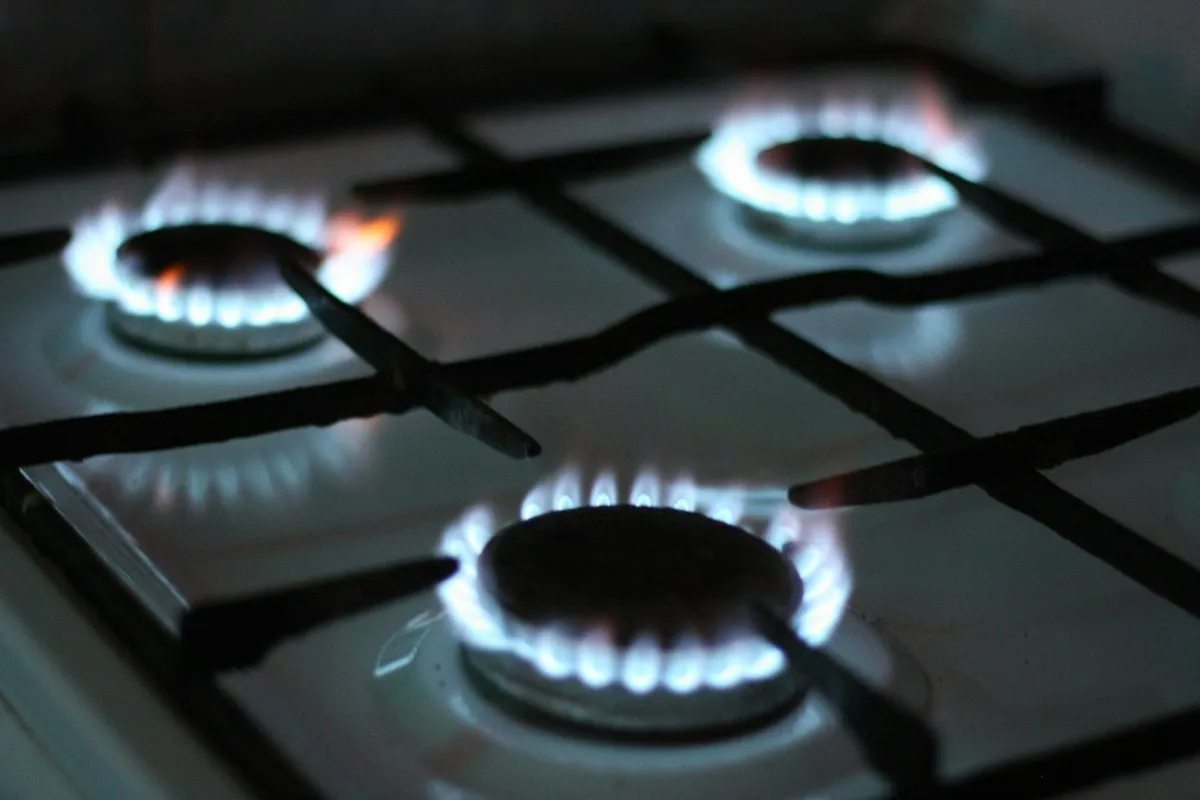
A gas oven needs a working igniter to open the gas valve and light the burner.
- Watch the igniter. Remove the oven floor and the flame spreader if your manual allows, set the oven to Bake and look for the igniter to glow. A weak or broken igniter may glow dimly or not at all, and then the gas valve will not open.
- Smell for gas. If you smell gas at any time, do not use the oven or switch anything on. Leave the home and call your gas company or the emergency number.
- Do not light it with a match unless your manual explicitly describes a safe manual lighting method.
- Check the thermal fuse and sensor, as in the electric section.
Replacing an igniter is a common repair, but it involves gas. If you are not confident, call a technician. If your burners click without lighting, see a gas stove that keeps clicking.
What to tell the technician
It saves time and money to say the following when you call:
- Make and model number (inside the door frame or the back of the range).
- Gas or electric.
- Whether it works on Broil, Bake or neither.
- Any error code and whether it started after a self-clean.
- What you already checked.
Repair or replace?
| Situation | Usually better |
|---|---|
| Bake element or igniter, range under about 10 years old | Repair |
| Thermal fuse or sensor | Repair |
| Control board on an old range | Get a quote and compare with a new range |
| Several parts failing at once | Replace |
Ask the technician for a written estimate before the repair starts.
What not to do
- Do not bypass the thermal fuse or any safety part.
- Do not test 240-volt wiring unless you are qualified.
- Do not use the oven for heat, or leave the door open to warm the kitchen.
- Do not run a self-clean cycle on an oven that has just had a problem.
- Do not ignore a gas smell.
Which fix fits your situation?
- Control is on but nothing heats (electric): inspect the bake element, then the thermal fuse.
- It stopped after a self-clean: suspect the thermal fuse.
- Gas oven clicks, no flame: check the igniter.
- Dark display and no response: check locks, the breaker, then the control board.
- Works on Broil only: the bake element.
Bottom line
A working stove top means the range has power, so the oven failure lies in an oven-only part. Start with locks and settings, then the bake element or igniter, then the thermal fuse, sensor and board. Never bypass a safety fuse, never test live 240-volt wiring yourself, and leave the home if you smell gas. If your oven also smokes, read what to do when an oven smokes.
Sources
This guide was checked against these official and manufacturer sources.
Frequently asked questions
Why is my oven not working when the stove top works?
The stove top working tells you the range has power. The fault is almost always in an oven-only part: the bake element on an electric oven, the igniter on a gas oven, the thermal fuse, the temperature sensor or the control board.
Can a blown thermal fuse stop the oven only?
Yes. A thermal fuse is a one-time safety part that opens when the oven gets too hot. Repair sources say a blown one is common after a self-cleaning cycle. Replacing it without finding why it blew can lead to another failure.
How do I know if the bake element is bad?
Unplug the oven and look at the element at the bottom. Cracks, blisters or a broken section mean it needs replacing. If it looks fine but never glows, a technician can test it with a multimeter.
Is it safe to test the oven's voltage myself?
Not unless you are trained. The oven runs on 240 volts, which can be lethal. Unplug it and leave live testing to an appliance technician or an electrician.
Is it worth repairing an old oven?
A bake element or igniter is a small repair on most ranges. If the control board has failed and the range is old, compare the repair quote with the price of a new range before deciding.

Written by
Agha Ali Abbas
Agha Ali Abbas is the founder and editor of TimeToNote. He has worked in SEO and content writing for 18 years, and he checks every guide against manufacturer documentation and official sources before it goes live.
Related guides
Home Problems
Why Is My Oven Smoking? 8 Causes and What to Do Right Now
Oven smoking when you preheat or cook? Find out if it is spilled grease, a new oven burn-off, or something unsafe, and what to do right now to fix it.
7 min read
Home Problems
Why Does My Gas Stove Keep Clicking? 6 Quick Fixes That Work
Gas stove clicking nonstop or not lighting? Find the cause in minutes with these 6 easy fixes. Plus safety tips and when to call a pro.
10 min read
Home Problems
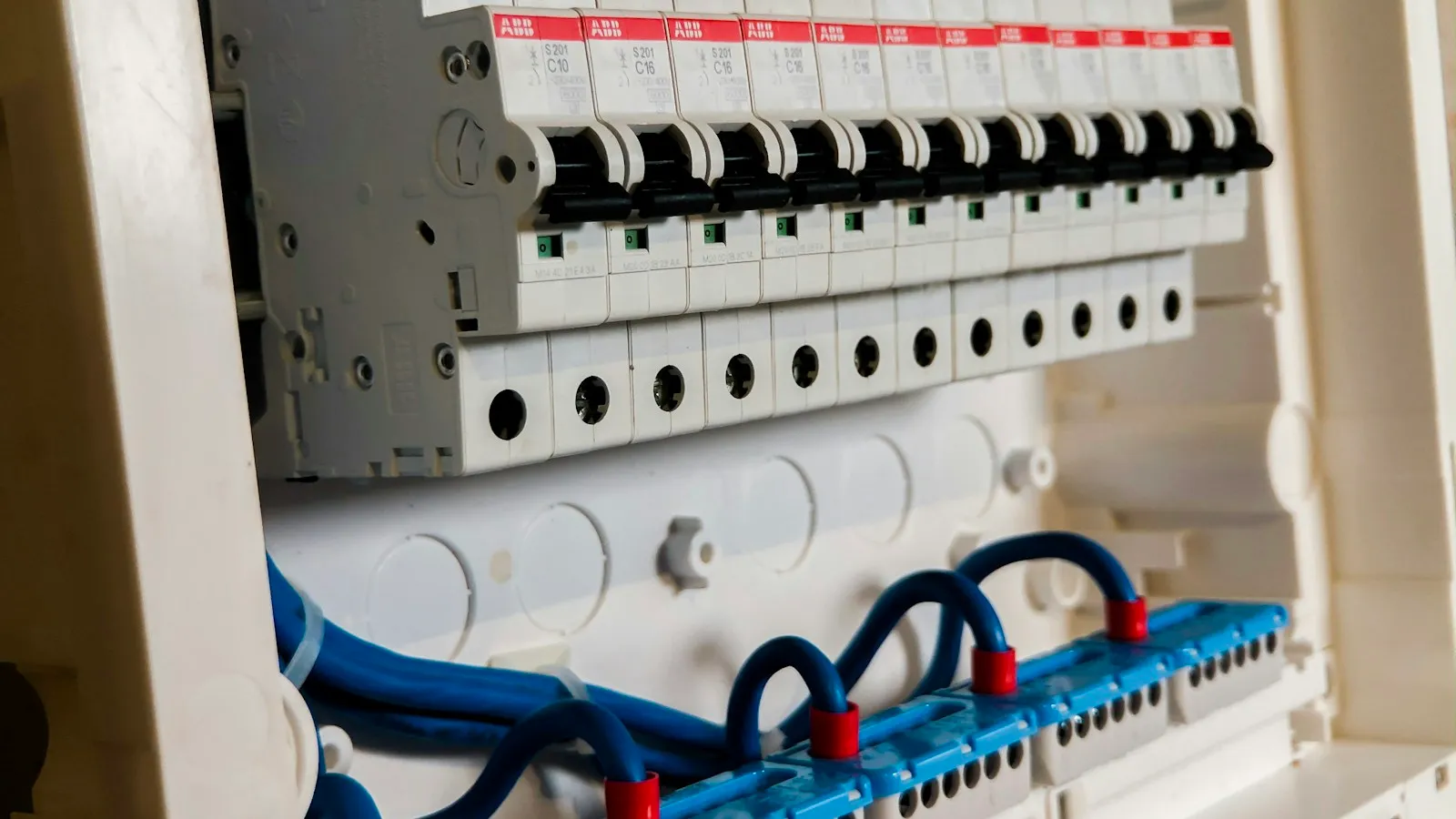
Why Does My Circuit Breaker Keep Tripping? 7 Causes and Safe Fixes
Why does your breaker keep tripping? Learn the 7 common causes, simple safe checks, and when to call an electrician. Easy steps for any home.
11 min read
More guides you may need
Home Problems
Signs Your Roof Needs Repair or Replacement (and How to Tell Which)
Missing shingles, leaks, or granules in the gutters? Learn 10 signs your roof needs repair or replacement, how long roofs last, and when a repair is enough.
7 min read
Home Problems
Who to Call if Your Heat Is Not Working (Renters and Homeowners)
No heat at home? Renters call the landlord and, if ignored, the city. Owners check the thermostat, breaker and filter, then call an HVAC technician. Emergency steps too.
6 min read