Why Is My Oven Smoking? 8 Causes and What to Do Right Now
Oven smoking when you preheat or cook? Find out if it is spilled grease, a new oven burn-off, or something unsafe, and what to do right now to fix it.
On this page
An oven usually smokes because food or grease has spilled and is burning off. A new oven can smoke too, as factory oils burn away. Turn the oven off, open a window, and let it cool. Then wipe out spills, remove any packaging or foil, and clean the oven. If the smoke is thick, black, or has flames, keep the door shut and call 911.
You turn on the oven and within minutes the kitchen fills with smoke. The smoke alarm goes off, you open the windows, and you wonder if something is wrong. Most of the time the answer is simple, and the cause is on the oven floor. In rare cases, smoke is a sign of danger. This guide helps you work out which it is, and what to do about it.
First: is it an emergency?
Treat these signs as an emergency:
- Flames inside the oven or coming from the vents.
- Thick black smoke that keeps getting worse.
- A strong gas smell, an electrical burning smell, or sparks.
- Smoke that continues after you turn the oven off.
What to do: keep the oven door closed, turn the oven off, and do not open it. A closed door cuts off the air and helps the fire go out. If the flames do not die down, get everyone out of the house and call 911. Do not throw water on a grease fire. For a gas smell, leave and call the gas company from outside.
If it is just light smoke, and you can see where it comes from, keep reading.
The 8 most common reasons an oven smokes
1. Old spills and grease
This is the top cause. Drips from pies, cheese, meat juices, and oil land on the oven floor and walls. When the oven heats up, they burn and smoke. You can often smell what was spilled. Over time the grease builds up in layers, and each use makes it worse.
2. A brand-new oven
New ovens may have protective oils, coatings, or insulation binders that smoke the first few times you heat them. This is normal. Many manufacturers suggest running the empty oven at a high temperature for about 30 minutes before the first use. Check the manual for your model, and open the windows and use the vent hood while you do it.
3. Packaging or items left inside
Check that the oven is empty. A leftover piece of plastic, a manual, a sticker, foam, or a baking sheet you stored in the oven can melt or burn. Pans and trays stored inside can also have oil on them.
4. Foil or liners on the bottom
Aluminum foil on the oven floor can melt and stick to the surface, and it can block airflow and damage the oven. Many oven manuals tell you not to line the bottom with foil. Use a baking sheet on a lower rack to catch drips instead.
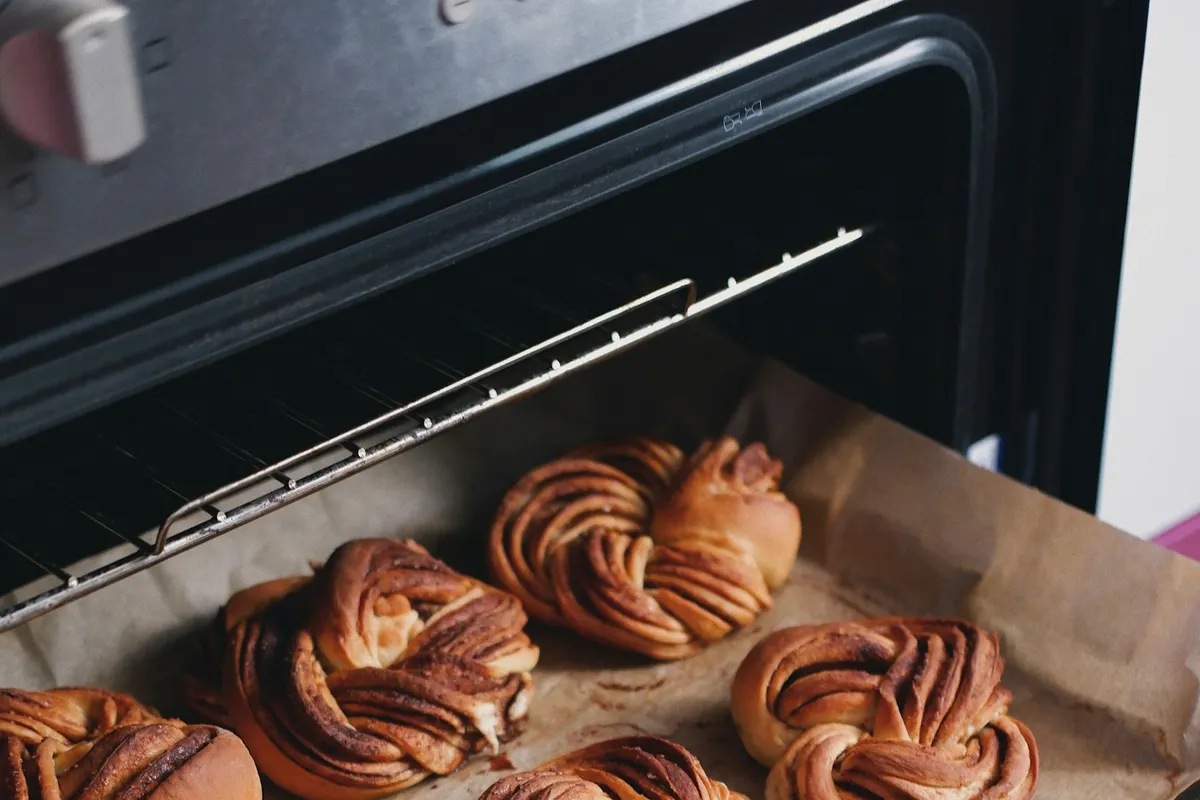
5. Fat and oil splatter while cooking
Roasting fatty meats at a high temperature spits grease on the walls and the heating element. Pans that are too small or have no sides let fat drip. Oils with a low smoke point, such as butter and some olive oils, also smoke at high heat. If the smoke starts while you are cooking, use a deeper roasting pan, a rack to catch the fat, and a higher smoke point oil, such as avocado or refined canola.
6. Parchment paper over its heat limit
Parchment paper has a temperature limit, often around 420 to 450°F, which is printed on the box. Above that it can darken, smoke, and in the worst case catch fire. Use foil or a silicone mat for very high temperatures, or put parchment under the food only.
7. A self-clean cycle
The self-cleaning cycle heats the oven to a very high temperature to burn off residue. It makes smoke and a burning smell, especially if the oven is very dirty. This is expected. Before you run it, wipe out heavy spills and remove the racks unless the manual says otherwise. Run the vent fan and open a window.
8. A faulty part
Rarely, a damaged heating element, a broken wire, or a malfunctioning thermostat can cause smoke or burning smells. If the smoke happens with no food or grease inside, and a clean oven still smokes, the part may be at fault. A grease leak onto the element can also look like a defect.
What to do when your oven starts smoking
- Turn the oven off. Leave the door shut for a few moments if there is smoke, to starve any fire of oxygen.
- Open windows and turn on the vent hood.
- Use oven mitts and take out any pan if it is safe to do so.
- Let the oven cool completely before you clean it. A hot oven can burn you.
- Look inside for spills, packaging, or foil.
- Clean it using the steps below.
- Try again at a lower temperature, and stay in the kitchen.
How to clean an oven to stop the smoke
For a light spill:
- Wait until the oven is cool.
- Remove the racks.
- Wipe out loose crumbs, and scrape off burnt spots with a plastic scraper.
- Wipe the floor and walls with a damp cloth and a little dish soap.
For heavy grease:
- Mix baking soda and a little water into a paste.
- Spread it on the dirty spots, avoiding the heating element and any gas openings.
- Leave it for several hours or overnight.
- Scrub with a damp sponge, then wipe with a cloth dampened with vinegar to remove the residue.
- Rinse with a clean damp cloth.
Use a store-bought oven cleaner only as the label says, with good ventilation and gloves. Do not use oven cleaner in a self-cleaning oven unless the manual says it is safe, since it can damage the coating. Never put cleaning chemicals on the heating element.
Gas oven or electric oven: any difference?
The causes of smoke are mostly the same. In a gas oven, the flame should be steady and mostly blue. Yellow or orange flames, soot, or a smell of gas point to a burner problem. A poorly burning gas oven can make carbon monoxide, which has no smell, so keep a working CO detector near the kitchen and bedrooms. If your gas stove clicks or will not light, see a gas burner that will not stop clicking. In an electric oven, grease dripping onto the bottom element is a frequent source of smoke.
Why does my smoke alarm go off?
Smoke from an oven can set off the alarm, and that is what it is for. If the alarm keeps going off even when you do not cook, or it chirps for no reason, see a smoke alarm that chirps or goes off for no reason. Do not take out the batteries. Wave a towel or open a window to clear the air, and keep the alarm working.
When to call a professional
Call an appliance repair person or your gas company if:
- The oven smokes even when it is clean and empty.
- You see sparks, melted wiring, or a damaged heating element.
- The oven does not heat evenly or the temperature is very off.
- You smell gas.
- The smell of burning continues. See also why a house smells like burning when the heat turns on.
- The oven is old and has a cracked or loose door seal.
How to prevent an oven from smoking
- Wipe up spills when the oven has cooled.
- Use a pan or baking sheet under pies and casseroles.
- Do not line the oven floor with foil.
- Pick pans with sides for fatty meat.
- Use oils with a high smoke point.
- Check the parchment's temperature limit.
- Clean the oven every few months, or run the self-clean cycle once or twice a year if your oven has one.
- Keep the vent hood clean and use it when you cook.
Bottom line
Most of the time, an oven smokes because of old food and grease, or because it is new. Turn it off, let it cool, clean it, and check for packaging and foil. If you see flames, thick black smoke, or smell gas, keep the door shut and get help. A clean oven that still smokes needs a technician.
Sources
This guide was checked against these official and manufacturer sources.
Frequently asked questions
Why is my oven smoking when I preheat it?
Old food spills and grease on the oven floor or walls burn off as it heats and make smoke. A brand-new oven can also smoke because of oils and coatings from the factory. Clean the inside and check for leftover packaging.
Is it normal for a new oven to smoke?
Yes, a little. New ovens often have protective oils and coatings that burn off the first few times you heat them. Many makers suggest running the empty oven at a high temperature for about 30 minutes, with the windows open and the vent fan on.
What should I do if my oven catches fire?
Keep the oven door closed, turn the oven off, and do not open it. Shutting off the air helps the fire go out. If the fire does not die down, leave the house and call 911.
Is the smoke from a self-cleaning oven safe?
The cycle makes heavy smoke and fumes as it burns off residue. Open windows, run the vent fan, and keep children and pets out of the kitchen. Fumes from the cycle can be dangerous to pet birds, so move them to another part of the house.
Can a gas oven smoke because of carbon monoxide?
A gas oven that burns badly can make carbon monoxide, which has no smell. Yellow or orange flames and soot are warning signs. Keep a working carbon monoxide detector near the kitchen and bedrooms.

Written by
Agha Ali Abbas
Agha Ali Abbas is the founder and editor of TimeToNote. He has worked in SEO and content writing for 18 years, and he checks every guide against manufacturer documentation and official sources before it goes live.
Related guides
Home Problems
Why Is My Smoke Detector Chirping? 8 Causes and How to Stop It
Smoke detector chirping every 30 or 60 seconds, even with a new battery? Learn what each chirp means, how to reset it, and when to replace the whole alarm.
7 min read
Home Problems
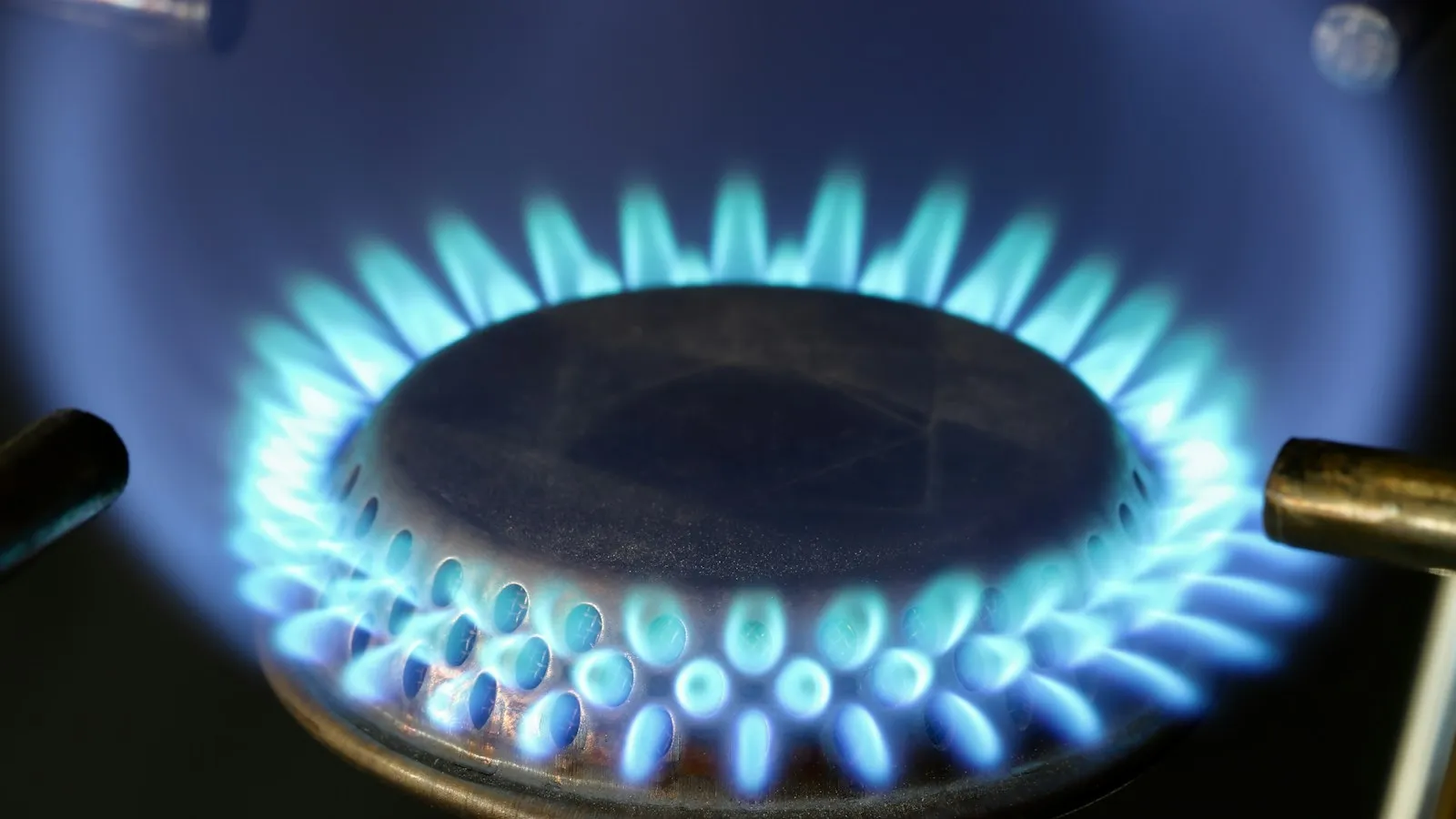
Why Does My Gas Stove Keep Clicking? 6 Quick Fixes That Work
Gas stove clicking nonstop or not lighting? Find the cause in minutes with these 6 easy fixes. Plus safety tips and when to call a pro.
10 min read
Home Problems
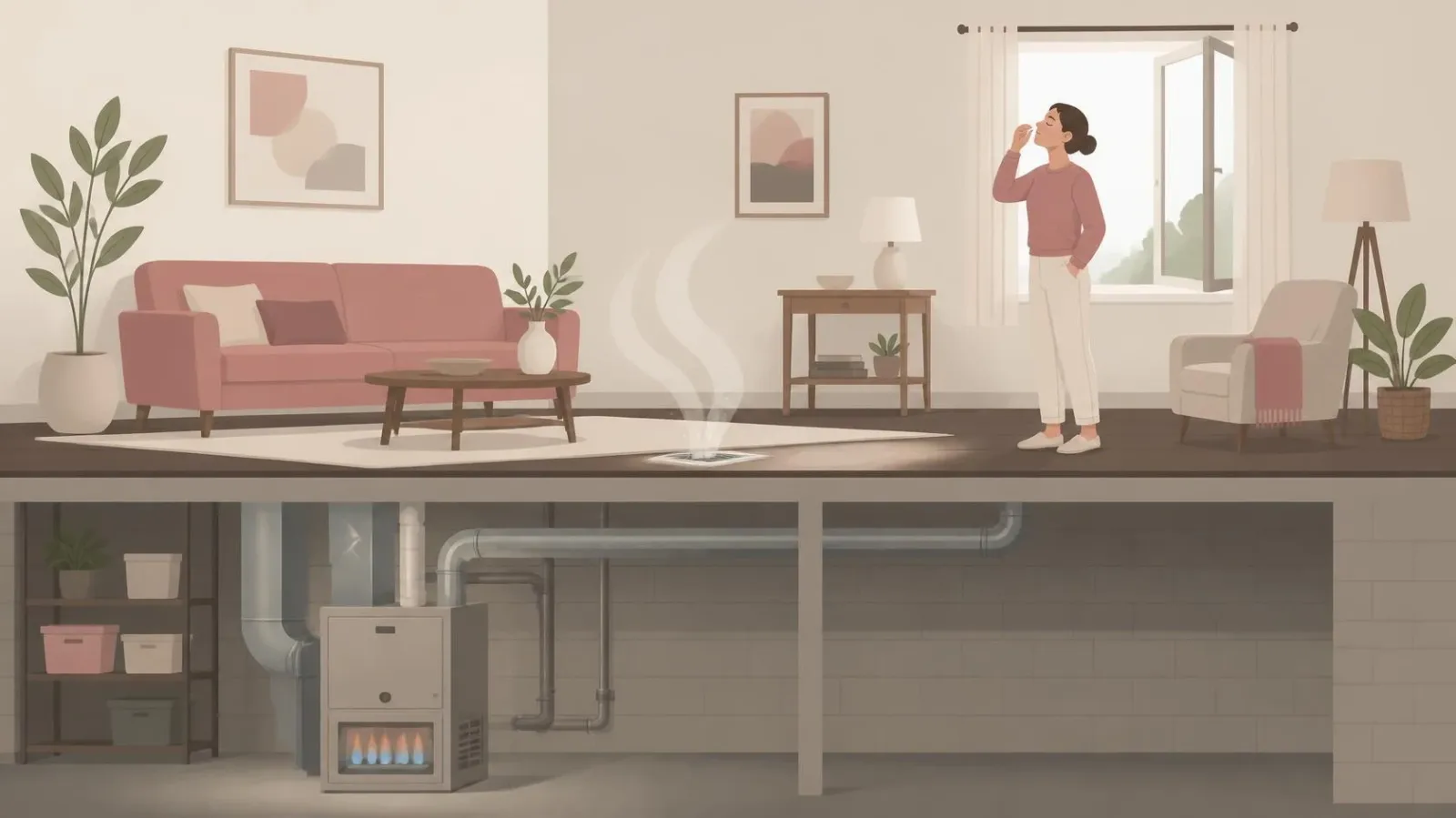
Burning Smell When the Heat Turns On: Normal or a Problem?
A dusty burning smell the first time you turn on the heat is usually normal and fades in a few hours. Learn which smells are safe, which are dangerous, and what to do.
7 min read
More guides you may need
Home Problems
Air Fryer Keeps Tripping the Breaker? Causes and Safe Fixes
Air fryer tripping the breaker or GFCI? Check the circuit load, outlet, cord and the fryer itself. Here is how to find the cause without guessing.
6 min read
Home Problems
Bathroom Fan Not Pulling Air? Causes and Fixes
Bathroom exhaust fan weak, loud or not pulling air? Do the tissue test, clean the grille and check the duct and outside vent. Here is what to fix first.
6 min read