Why Does My Pilot Light Keep Going Out? Causes and Fixes
A pilot light that keeps going out is most often a dirty or worn thermocouple. Learn the causes, how to relight it safely, and when to call a gas pro.
On this page
A pilot light that keeps going out is usually caused by a dirty or worn thermocouple, the small metal rod that sits in the pilot flame and tells the gas valve the flame is on. If it cannot sense heat, it shuts off the gas for safety. Cleaning it or replacing it fixes most cases, and the part costs about $15 to $25.
Other causes include drafts, a clogged pilot opening, and a gas supply problem. Here is how to find yours, relight it safely, and know when to call a pro.
What a pilot light does
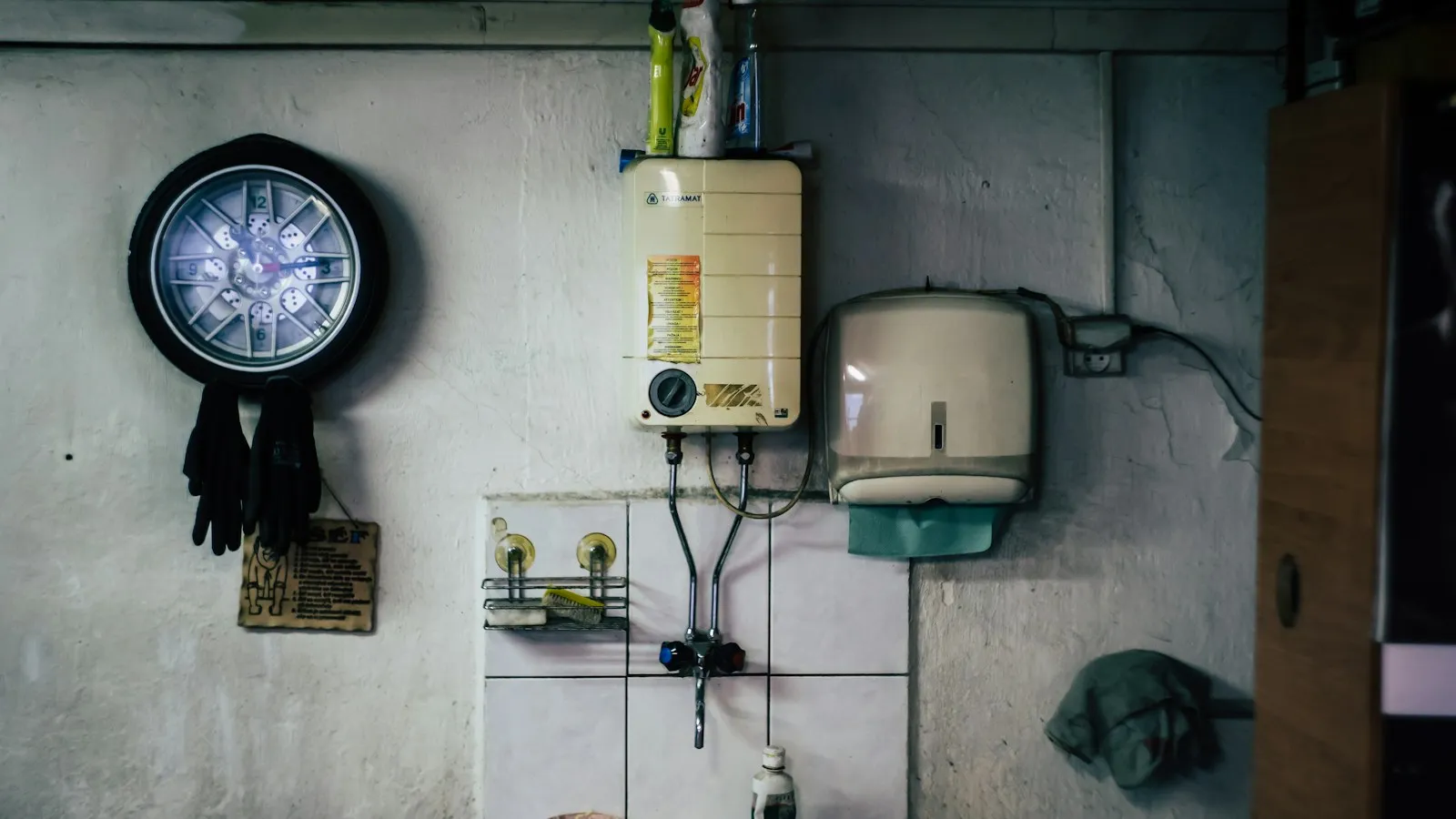
Many older gas water heaters, furnaces, boilers, fireplaces, and ovens have a pilot light, a small flame that stays lit all the time. When the appliance needs heat, the main burner lights from that small flame.
A safety part called a thermocouple sits in the pilot flame. The flame heats the tip, which makes a tiny bit of electricity. That signal tells the gas valve to stay open. If the flame goes out, the signal stops, the valve closes, and the gas shuts off. That is how the system stops gas from filling your home.
So a pilot that "keeps going out" is often not a problem with the flame. It is a problem with the safety system that watches the flame.
The most common causes
1. A dirty thermocouple
Soot and rust can cover the tip. A coated tip cannot sense the heat well, so the valve closes even though the pilot is burning. This is the most common reason the flame will not stay lit.
2. A worn or bad thermocouple
Thermocouples wear out over time. Even a clean one can stop making enough signal after many years. If the pilot lights, stays on while you hold the button, and goes out a few seconds after you let go, a weak thermocouple is a top suspect.
3. A thermocouple that is out of position
The tip must sit in the flame, with the flame touching the top inch or so. If it was bumped, bent, or loosened, it may not get enough heat.
4. A dirty pilot opening
Dust and lint can clog the tiny pilot tube. The flame gets weak, small, and yellow instead of strong and blue. A weak flame cannot heat the thermocouple well.
5. Drafts
A gust from a vent, a window, or a door can blow out the pilot. Look at where the heater sits. Did something change, such as a new exhaust fan, a window left open, or a new vent pipe?
6. A gas supply or valve problem
If the gas pressure is low, or the gas control valve is failing, the flame may be weak or go out. These are jobs for a licensed pro.
What the flame should look like
A healthy pilot flame is mostly blue, steady, and about an inch tall, wrapping the tip of the thermocouple. Watch it for a moment:
| What you see | What it may mean |
|---|---|
| Strong blue flame on the thermocouple | Normal |
| Small, weak flame | Clogged pilot opening or low gas |
| Yellow or orange, flickering flame | Dirt or poor air supply. Have it checked. |
| Flame not touching the thermocouple | Thermocouple out of position |
| Flame lifts or blows around | Draft or too much pressure |
A yellow flame can also point to incomplete burning, which can make carbon monoxide. Make sure you have working carbon monoxide alarms near sleeping areas. Our guide on smoke and CO alarm care explains alarm care, including combination alarms.
How to relight a water heater pilot light
Steps differ by model, so follow the label on your heater first. This is the usual process for a gas water heater:
- Turn the thermostat knob to "pilot" or "off."
- Wait about 5 minutes so any leftover gas clears.
- Smell for gas. If you smell it, stop and leave.
- Remove the access cover near the bottom of the heater.
- Turn the knob to "pilot" and press and hold it down.
- Light the pilot by pressing the igniter button, or by holding a long lighter near the pilot opening.
- Keep holding the knob down for 30 to 60 seconds. This lets the thermocouple heat up.
- Release the knob slowly. The flame should stay lit.
- Turn the knob to "on" and set the temperature.
- Replace the cover.
If the pilot goes out after you let go, hold the knob longer, up to about a minute, and try again. If it still goes out after two or three tries, stop and move on to the fixes below. Do not keep trying again and again.
How to clean a thermocouple
Do this only if you are comfortable working with gas appliances.
- Turn the gas valve to "off" and let the appliance cool for at least 5 minutes.
- Turn off power to a furnace or boiler if it has a power switch.
- Find the thermocouple. It is a thin copper rod beside or in front of the pilot flame.
- Wipe off soot. Use a piece of fine emery cloth, steel wool, or a scouring pad. Rub lightly. The part is fragile.
- Wipe it clean with a dry cloth.
- Check that the tip sits in the flame and that the nut that holds it is snug, but not over-tight.
- Relight the pilot using the steps above.
Never use water or spray cleaner on the part while the gas is on.
How to replace a thermocouple
If cleaning does not help, replace it. Thermocouples are sold by length and fit, so match the part number on yours or take the old one to the store.
- Turn off the gas and let everything cool.
- Unscrew the nut that holds the thermocouple to the gas control valve.
- Remove the other end from its bracket near the pilot.
- Put the new one in, then tighten the nut by hand, plus a quarter turn with a wrench.
- Relight the pilot and check that the flame wraps the tip.
The part costs about $15 to $25. If you hire a pro, expect roughly $150 to $250 for the visit and the part, though prices vary by region.
If the pilot stays on but you get no heat or hot water
Sometimes the pilot burns fine and the problem is somewhere else:
- Water heater with no hot water. Check that the thermostat knob is set to a warm setting, not "pilot." If you also hear loud popping, read why a noisy water heaters.
- Furnace blowing cold air. A cold blast with the pilot on can mean a dirty filter or a limit switch problem. See why a furnace blows cold.
- Smell when you first start the furnace. A dusty smell is normal in fall. See what a burning smell means when the heat turns on.
Why does the pilot light on my stove keep going out?
Older gas ranges often have a standing pilot for the oven, and some also have one for the top burners. The usual causes are:
- A draft. A range hood fan, an open window or a fan blowing across the stove can blow the flame out.
- A clogged pilot opening. Grease and spilled food can block the tiny hole. Turn the gas off, let it cool, and clear it with a thin straight pin. Do not make the hole bigger.
- A flame set too low. Many pilots have an adjustment screw near the flame. Your manual shows where it is.
- A worn oven safety valve. Oven pilots usually have a thermocouple or safety valve like a water heater. If the pilot lights but will not stay on, that part may be weak.
Many older range-top pilots have no safety valve, so gas can keep flowing if one goes out. If you smell gas, leave the house and call your gas company from outside. Never heat your home with the oven. If your stove has an igniter that clicks instead of a pilot, see a range igniter that will not stop clicking instead.
Why does the pilot light on my heater keep going out?
This covers gas furnaces, wall heaters and gas fireplaces.
- Furnace. Older furnaces with a standing pilot have the same thermocouple problem described above. If the pilot only goes out when the blower runs, a draft or a problem with the venting is possible, and in some cases a cracked heat exchanger. Have a technician inspect it, because a damaged heat exchanger can leak carbon monoxide.
- Wall heater or gas fireplace. These often use a thermocouple or a thermopile. A dirty tip, a weak part or a down-draft from the chimney can put the flame out. On many fireplaces you must hold the control knob down for a full minute after lighting.
- Vent-free heater. These have an oxygen depletion sensor that shuts the pilot off when the room air is low in oxygen. If it keeps going out in a closed room, open a window and call a technician. Never bypass the sensor.
Pilot light will not stay lit after you let go of the button
Where the failure happens tells you what to check.
| What happens | Likely cause |
|---|---|
| Lights, then goes out a few seconds after you release the knob | Dirty, bent or worn thermocouple, or a weak gas valve |
| Lights, stays on for a while, then goes out later | Draft, dirty pilot opening or low gas pressure |
| Will not light at all | Gas valve off, empty propane tank, gas outage or a blocked pilot tube |
| Lights only if you hold the knob for several minutes | Thermocouple is failing |
Hold the knob for a full 60 seconds before you decide it is the part. If you use propane, check the tank gauge first.
Do I have a pilot light at all?
Many newer appliances do not use a standing pilot. They use an electronic ignition that lights the burner only when the appliance calls for heat.
- Water heaters with a small window and a red or black push button usually have a standing pilot.
- Furnaces made in the last 20 years or so mostly use electronic ignition.
- Gas stoves with a clicking sound use an igniter. If yours keeps clicking, read about why a gas stove keeps clicking.
If your appliance has electronic ignition, a "pilot that goes out" is really an igniter or flame sensor problem. The fix is similar, but the parts are different, so check the manual or call a technician.
Is it safe to keep relighting it?
Relighting once or twice is fine if there is no gas smell. But a pilot that keeps going out is telling you something is wrong. Do not keep relighting it over and over. Instead:
- Check for gas odor each time before you light it.
- Make sure carbon monoxide alarms work.
- Find the cause, or call a pro.
When to call a professional
Call a licensed gas technician if:
- You smell gas at any time. Leave first and call from outside.
- The pilot goes out again within a day after cleaning or replacing the thermocouple.
- The flame is yellow or orange, or it makes a soot stain around the heater.
- The heater is more than 10 to 15 years old. It may be time to replace the whole unit.
- You see rust, water, or scorch marks around the appliance.
- Your carbon monoxide alarm sounds.
- You are not sure how to do any step. It is always okay to ask for help with gas.
Prevent it from happening again
- Have your furnace and water heater checked once a year, ideally in early fall.
- Keep the area around the appliance clear of dust, boxes, and anything that can burn.
- Vacuum around the base now and then to keep lint away from the pilot opening.
- Test carbon monoxide alarms every month and replace them as the label says.
- Watch for drafts from new windows, vents, or exhaust fans.
The bottom line
A pilot light that keeps going out is usually caused by a dirty or worn thermocouple. Turn off the gas, clean the tip gently with emery cloth, and relight the pilot while holding the knob for a full 30 to 60 seconds. If it still goes out, replace the thermocouple for about $15 to $25, or call a pro for about $150 to $250. If you ever smell gas, leave the house and call your gas company right away.
Sources
This guide was checked against these official and manufacturer sources.
Frequently asked questions
Why does my pilot light keep going out?
The most common cause is a dirty, worn, or badly placed thermocouple. This small metal rod senses the pilot flame. If it cannot sense heat, it shuts off the gas and the flame goes out. Drafts, a dirty pilot opening, and a low gas supply can also cause it.
Can I clean a thermocouple myself?
Often yes. With the gas off and the appliance cool, gently rub the tip with fine emery cloth or steel wool to remove soot, then wipe it clean. Use a light touch because the part is fragile. If the pilot still goes out, replace it.
How much does it cost to replace a thermocouple?
The part usually costs about $15 to $25. A professional repair often runs about $150 to $250 for the visit and part. Prices vary by region and appliance.
Is it dangerous if the pilot light goes out?
The safety valve stops the gas when the flame is out, so the appliance is built to be safe. But if you smell gas, leave the house at once and call your gas company or 911 from outside. Do not try to relight it.
Do I have a pilot light or electronic ignition?
Look for a small flame that stays lit all the time, with a window or hole you can check. Many newer water heaters, furnaces, and stoves use an electronic ignition that lights the burner only when needed. These have no standing pilot to go out, but they have different problems.

Written by
Agha Ali Abbas
Agha Ali Abbas is the founder and editor of TimeToNote. He has worked in SEO and content writing for 18 years, and he checks every guide against manufacturer documentation and official sources before it goes live.
Related guides
Home Problems
Burning Smell When the Heat Turns On: Normal or a Problem?
A dusty burning smell the first time you turn on the heat is usually normal and fades in a few hours. Learn which smells are safe, which are dangerous, and what to do.
7 min read
Home Problems
Why Is My Water Heater Making Noise? What Each Sound Means
Water heater popping, rumbling, hissing, or ticking? Learn what each noise means, how to flush out sediment step by step, and which sounds mean you should call a plumber.
8 min read
Home Problems
Why Is My Furnace Blowing Cold Air? 9 Causes and Easy Fixes
Furnace running but blowing cold air? Check these 9 common causes, from the thermostat fan setting to a dirty filter, and learn which fixes you can do yourself.
7 min read
More guides you may need

Home Problems
Are Hurricane Shutters Worth It? Costs, Types and Impact Windows Compared
Are hurricane shutters worth the money? Compare storm panels, accordion, and roll-down shutters with impact windows, plus 2026 costs and insurance tips.
7 min read
Home Problems
Ice Dam on Roof? How to Remove It Safely and Stop It Coming Back
Ice dam on roof causing leaks? Learn what causes it, how to remove it safely without damaging shingles, and how to stop ice dams from forming again.
5 min read