Why Is My Smoke Detector Chirping? 8 Causes and How to Stop It
Smoke detector chirping every 30 or 60 seconds, even with a new battery? Learn what each chirp means, how to reset it, and when to replace the whole alarm.
On this page
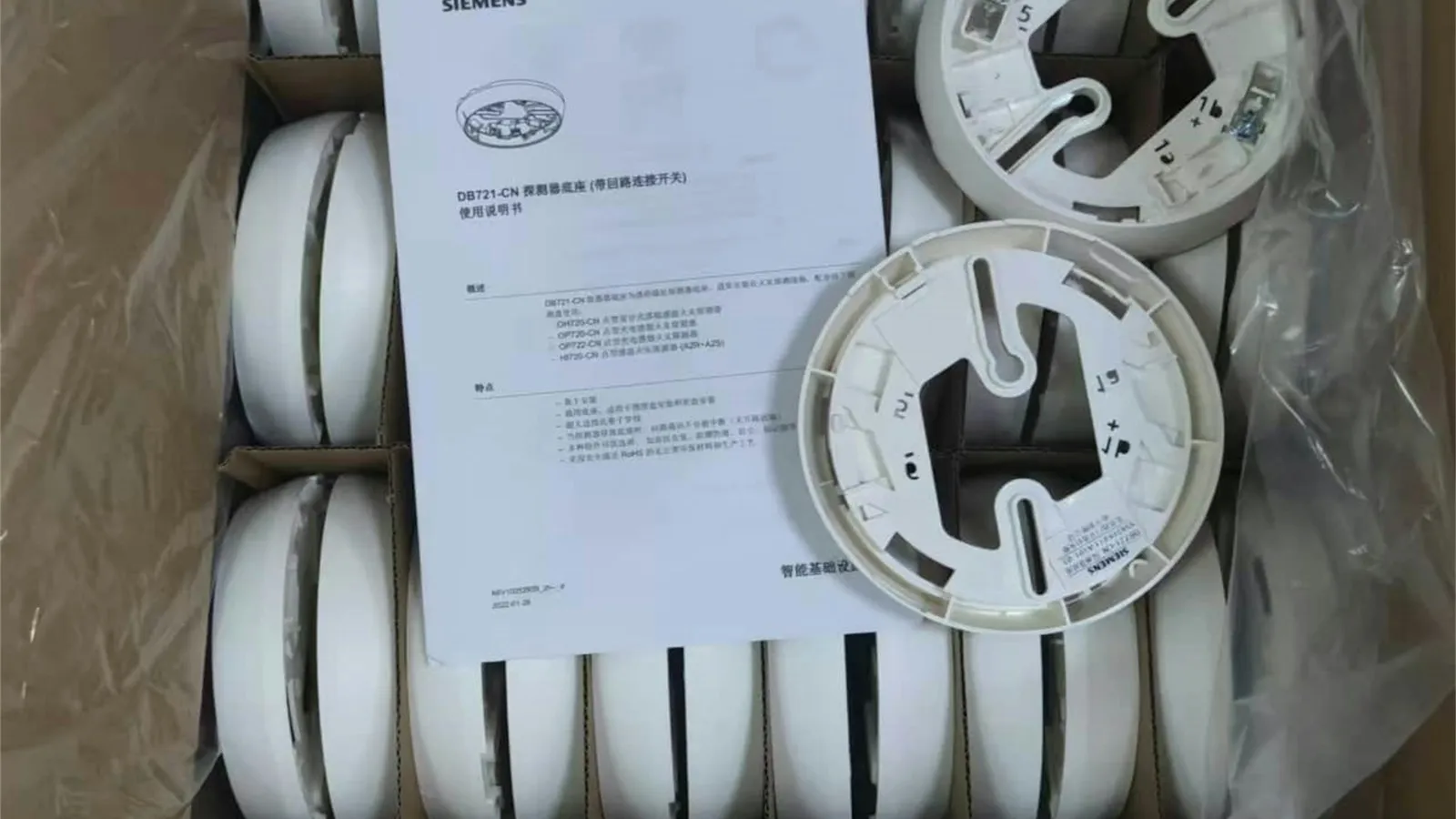
A smoke detector chirps because it is trying to tell you something needs attention. Most of the time, one short chirp every 30 to 60 seconds means the battery is low. If it keeps chirping after you change the battery, the alarm usually needs to be reset, or it is old and needs to be replaced.
The good news is that you can fix most chirping alarms in less than 5 minutes. You just need the right battery, a step stool, and a few simple steps.
This guide explains what each type of chirp means, how to stop it, and when it is time for a new alarm.
First, is it a chirp or an alarm?
A chirp and a real alarm sound very different. Knowing which one you hear tells you how fast you need to act.
| Sound | What it usually means | What to do |
|---|---|---|
| One short chirp every 30 to 60 seconds | Low battery | Change the battery |
| Chirps that do not stop after a new battery | Error, or the alarm is old | Reset it, then replace it if needed |
| 3 long beeps, a pause, then repeat | Smoke or fire | Get everyone out now and call 911 |
| 4 beeps, a pause, then repeat (on a CO alarm) | Carbon monoxide | Get outside to fresh air and call 911 |
If you hear a loud pattern of 3 or 4 beeps, do not treat it as a chirp. Leave the house first and figure it out later.
8 reasons your smoke detector is chirping
1. The battery is low
This is the most common cause by far. The alarm chirps once every 30 to 60 seconds to warn you before the battery dies. The chirp can go on for days, so it is easy to miss at first.
Fix: Put in a new battery of the exact type printed on the alarm. Many use a 9-volt battery, and others use AA batteries. Do not use rechargeable batteries unless the alarm says they are okay.
2. The battery drawer is not closed
Some alarms have a small battery drawer or door. If it is not fully shut, the battery may not touch the metal contacts, and the alarm keeps chirping.
Fix: Open the drawer, check that the battery sits the right way, and press it closed until it clicks.
3. The alarm needs to be reset
Many alarms remember a low-battery warning even after you put in a new battery. They keep chirping until the memory clears.
Fix: Follow these steps to reset most alarms:
- Take the alarm off the ceiling mount. Most twist off to the left.
- If it is hardwired, unplug the power connector on the back.
- Remove the battery.
- Press and hold the test button for 15 to 20 seconds. This drains any leftover power.
- Put the battery back in and reconnect the power.
- Twist the alarm back onto its mount and press the test button to make sure it works.
4. The alarm is at the end of its life
Smoke alarms do not last forever. The sensor inside wears out over time. Many newer alarms have a built-in end-of-life warning that chirps no matter what battery you use.
The NFPA says to replace smoke alarms every 10 years. Look for the date printed on the back of the alarm. If it is close to 10 years old, or you cannot find a date at all, replace it.
5. It has a sealed 10-year battery
Some alarms have a battery sealed inside that lasts about 10 years. You cannot open these to swap the battery. When the sealed battery gets low, the whole alarm needs to be replaced.
Fix: Check the label. If it says "10-year sealed battery" or has no battery door, buy a new alarm.
6. The hardwired alarm's backup battery is low
Hardwired alarms connect to your home's power, but most still have a backup battery for power outages. When that backup battery gets low, the alarm chirps just like a battery-only alarm.
Fix: Turn off the power to the alarms at the breaker, then change the backup battery and reset the alarm as shown above. Turn the power back on when you are done.
7. Dust or bugs are inside
Dust, cobwebs, and tiny bugs can get into the sensing chamber. This can cause chirps or even false alarms. If your home tends to get dusty, the alarms collect it too. Our guide on why homes collect so much dust can help you cut down on it.
Fix: Gently vacuum the outside of the alarm with a soft brush attachment. You can also use a can of compressed air on the vents. Do not open the alarm or spray cleaners into it.
8. Temperature or humidity changes
Steam from a shower or cooking can set off alarms or make them chirp. Cold air can also make a weak battery drop in power, which is why chirping often starts at night.
Fix: Try to keep smoke alarms away from bathroom doors and at least about 10 feet from the stove. Use the bathroom fan when you shower.
Why does the chirping start at 2 a.m.?
It feels like every smoke alarm picks the middle of the night to start chirping. There is a simple reason for this.
Most homes are coolest in the early morning hours. A battery that is almost dead makes less power when it is cold. That small drop is enough to trigger the low-battery chirp. When the house warms up in the morning, the chirp may even stop for a while, only to come back the next night.
If an alarm chirps at night and then goes quiet, do not ignore it. Change the battery the next day.
How to find which alarm is chirping
In a home with many alarms, it can be hard to tell which one is making the noise. The sound bounces off walls, and a chirp is short.
Here are a few tricks:
- Stand still and wait. Stand under one alarm for a full minute and listen. Then move to the next one.
- Look at the lights. The alarm with the problem often blinks its light in a different way from the others.
- Check every alarm, including the basement. It is easy to forget alarms in hallways, garages, and basements.
- Remember CO alarms. Carbon monoxide alarms chirp for low batteries and end of life too.
In homes with connected alarms, a chirp usually comes from just one unit, even if all of them are linked. Fix that one first.
Should you replace all your smoke alarms at once?
If one alarm is at the end of its life, the others were probably put in at the same time. It is often smart to replace them all together. This saves you from more 2 a.m. chirps later.
When you shop, you can choose:
- Alarms with a 10-year sealed battery. No battery changes for 10 years.
- Combination smoke and CO alarms. One device covers both dangers.
- Hardwired alarms if your home already has the wiring for them.
- Connected alarms that all sound when one detects smoke.
Make sure the box says the alarm is listed by a testing lab, such as UL.
How to keep your smoke alarms working
A few quick habits keep your alarms ready and quiet:
- Test each alarm once a month. Press the test button until it sounds.
- Change batteries at least once a year in alarms with replaceable batteries. Many people do it when the clocks change.
- Clean them every few months with a vacuum brush.
- Write the install date on each new alarm with a marker.
- Replace every alarm at 10 years.
Fall is a great time to do all of this, right before you turn on the heat for the winter. It is also a good time to check your heating system. If your heater is acting up, see what to do when the furnace blows cold air.
Common mistakes to avoid
- Pulling the battery and forgetting it. An alarm with no battery cannot save your life.
- Using the wrong battery. Always match the type printed on the alarm.
- Skipping the reset. A new battery alone does not always stop the chirp.
- Painting over alarms. Paint can block the sensor.
- Ignoring CO alarms. They chirp too, and they matter just as much.
When to call a pro
Most chirping problems are easy DIY fixes. Call an electrician if:
- Your hardwired alarms keep chirping after new batteries and a reset
- The alarms go off with no smoke and you cannot find a reason
- You want to add new hardwired or connected alarms
The bottom line
A chirping smoke detector usually means a low battery, a needed reset, or an old alarm. Change the battery, hold the test button for 15 to 20 seconds, and close the battery door firmly. If it still chirps, check the date on the back. Any alarm that is 10 years old or has a sealed battery that is running low should be replaced right away. A quiet, working alarm is one of the easiest ways to keep your family safe.
Sources
This guide was checked against these official and manufacturer sources.
Frequently asked questions
Why is my smoke detector chirping with a new battery?
The alarm may still hold an old error in memory, the battery drawer may not be fully closed, or the battery may be the wrong type. Take the battery out, hold the test button for 15 to 20 seconds, put the battery back, and close the drawer firmly. If it still chirps, the alarm may be at the end of its life.
How do I make my smoke detector stop chirping?
Replace the battery with a fresh one of the exact type listed on the alarm, then reset it by holding the test button for about 15 to 20 seconds. If your alarm has a sealed 10-year battery, you cannot change the battery. You need to replace the whole alarm.
Why does my smoke detector chirp at night?
Homes usually get cooler at night. A weak battery puts out less power when it is cold, so the alarm senses low power and starts to chirp. This is why low-battery chirps often start in the middle of the night.
How long do smoke detectors last?
The NFPA says to replace smoke alarms when they are 10 years old, even if they still seem to work. Check the date printed on the back of the alarm.
Is it safe to take the battery out to stop the chirp?
Only for a few minutes while you fix it. A smoke alarm with no battery cannot warn you about a fire. Replace the battery or the alarm the same day.

Written by
Agha Ali Abbas
Agha Ali Abbas is the founder and editor of TimeToNote. He has worked in SEO and content writing for 18 years, and he checks every guide against manufacturer documentation and official sources before it goes live.
Related guides
Home Problems
Why Is My Furnace Blowing Cold Air? 9 Causes and Easy Fixes
Furnace running but blowing cold air? Check these 9 common causes, from the thermostat fan setting to a dirty filter, and learn which fixes you can do yourself.
7 min read
Home Problems
Why Is My House So Dusty? 12 Common Causes and How to Fix Them
Dust coming back days after you clean? Learn the 12 most common reasons your house is so dusty and the simple changes that really cut dust down.
9 min read
Home Problems
Why Does My House Smell Like Sewage? 9 Causes and Easy Fixes
A sewage smell in your house usually comes from a dry drain trap, a bad toilet seal, or a blocked vent. Find the cause fast and fix it with these simple steps.
11 min read
More guides you may need

Home Problems
Countertop Ice Maker Not Working? Fixes for Frigidaire, Gevi, Opal and Others
Portable ice maker runs but makes no ice, or the lights flash? Reset it, clean the sensor and pump, check the water and descale. Fixes for most countertop brands.
6 min read
Home Problems
Dehumidifier Keeps Tripping the Breaker or GFCI? Causes and Fixes
Dehumidifier tripping the breaker or GFCI? Check for an overloaded circuit, a damaged cord or moisture in the unit, and learn when an electrician should look.
2 min read