Who to Call if Your Heat Is Not Working (Renters and Homeowners)
No heat at home? Renters call the landlord and, if ignored, the city. Owners check the thermostat, breaker and filter, then call an HVAC technician. Emergency steps too.
On this page
If you rent, call your landlord or property manager first, in writing, and keep a record. If they do not fix it within a day, contact your city's housing or code enforcement office, often through 311. If you own the home, check the thermostat, the breaker, the furnace door and the air filter, then call an HVAC technician. If you smell gas, suspect carbon monoxide, or see smoke, leave the home and call your gas company or 911 instead.
The heat goes out, usually when it is coldest, and you are not sure whom to call. The right number depends on whether you rent or own, what fuel you use, and where you live. This guide gives a clear order of calls for each situation.
Housing laws vary by state and city, so this guide does not quote legal deadlines. It gives the steps that housing offices and HVAC companies recommend, and tells you where to look for your local rules.
First: is it an emergency?
Do these before anything else.
| Sign | What to do |
|---|---|
| Smell of gas (rotten eggs) | Leave the home, do not use switches, call your gas company's emergency line or 911 |
| Carbon monoxide alarm sounding, or headache and dizziness with a running fuel-burning appliance | Get everyone outside, call 911 |
| Smoke or a burning smell from the furnace | Switch it off at the thermostat and breaker if safe, leave if it continues, call 911 |
| A young child, an older adult or a person with a medical condition in a cold home | Treat it as urgent. Ask a family member or neighbor for a warm place, and say so when you call |
If none of these apply, work through the calls below.
If you rent
Providing and maintaining a furnace or boiler is normally the property owner's responsibility, even when you pay the heating bill. A city housing office guide for renters says to start with the landlord or the maintenance contact you were given.
- Contact the landlord or manager at once. Call the maintenance number, then follow up in writing by email, text or the tenant portal. Say that you have no heat, since when, and the indoor temperature.
- Document it. Take a photo of the thermostat reading and a thermometer. Keep screenshots of messages and note the date and time of each call.
- Do the safe free checks (see the checklist below) in case it is a simple fix, such as a thermostat on the wrong setting. Do not open the furnace or boiler.
- Escalate if there is no update within about a day. Contact your local housing or code enforcement agency. Many US cities have a 311 line. In Milwaukee, for example, the Department of Neighborhood Services takes heat complaints through the city call center.
- Know your local rules. Search for "[your city] minimum heat requirement for rentals" or call a local tenant rights group or legal aid office. They can tell you the legal requirements and your options.
What not to do as a renter
- Do not withhold rent or pay a repair person and deduct it unless a local tenant rights group or lawyer has confirmed it is allowed where you live. In some places it is not.
- Do not tamper with the furnace, boiler or gas lines.
- Do not heat the home with a gas oven or stove. It can release carbon monoxide.
If you own the home
Call an HVAC or heating technician. Before you do, run through the free checks. A technician who is told you already did them can focus on the real fault, and sometimes the check fixes it.
Free checks before you call
- Thermostat. Set it to Heat and raise the setting a few degrees above room temperature. Replace the batteries if the screen is blank or faint. If it is blank, see why a thermostat screen goes blank.
- Circuit breaker. Check the breaker for the furnace. If it has tripped, reset it once. If it trips again, stop and call a technician, since repeated trips can mean an electrical fault.
- Furnace door or panel. Many furnaces have a safety switch that cuts power if the access door is not fully closed.
- Air filter. A clogged filter can make a system slow down or shut off. Replace it if it is dirty.
- Fuel. For oil, check the tank. For propane, check the gauge. For gas, check that other gas appliances work.
- Pilot light or ignition. On older furnaces, the pilot may have gone out. See a furnace pilot that keeps going out. Relight it only if your manual describes the steps and you smell no gas.
If the furnace runs but blows cold air, this guide on a furnace blowing cold air covers it.
Calling a technician
- Have the make, model number and age of the furnace ready (the label is usually inside the door).
- Say what you already checked and what the thermostat shows.
- Ask about emergency or after-hours charges before you agree to a visit.
- Ask whether the company is licensed and insured where you live.
- Get the quote or estimate in writing if the repair is large.
If you pay for fuel and cannot afford the repair
Help exists. The federal Low Income Home Energy Assistance Program (LIHEAP) helps some households with heating costs and emergency repairs, and it is run by states. You can search for your state's program, or dial 211 to be connected to local assistance. Utility companies sometimes offer payment plans too.
Stay safe while you wait
- Use space heaters carefully. Plug them straight into a wall outlet, not an extension cord, keep them away from anything that burns, and never leave them on while you sleep.
- Never use a gas oven, charcoal grill or generator indoors for heat.
- Close off unused rooms, wear layers and use blankets.
- Keep pipes from freezing. If the home may drop below freezing, read how to protect your pipes in a freeze.
- Check your carbon monoxide alarms. Test them before you use any backup heat.
- If the power is out as well, see power outage steps.
Other situations
| Your situation | First call |
|---|---|
| Apartment or rental house | Landlord or property manager |
| Landlord does not respond | City housing, code enforcement or 311 |
| Owned home with a furnace or heat pump | HVAC technician |
| Oil heat, tank empty | Fuel delivery company |
| Propane heat, tank low | Propane supplier |
| Smell of gas | Gas company emergency line or 911 |
| Whole house power out | Your electric utility |
| Condo or co-op | Building manager or the association |
Which step fits your situation?
- You rent and the landlord is reachable: call, then write, then document.
- You rent and no answer in a day: call the city housing office or 311.
- You own the home: do the free checks, then call an HVAC technician.
- You smell gas or the CO alarm sounds: go outside and call 911.
- You cannot afford repairs: look up LIHEAP and dial 211.
Bottom line
Renters call the landlord first and keep a written record. If nothing happens within about a day, the city housing office is next. Owners do the free checks and call an HVAC technician. Anything involving gas, carbon monoxide or smoke is an emergency, and you should leave first and call afterward.
Sources
This guide was checked against these official and manufacturer sources.
Frequently asked questions
Who do I call first if my apartment has no heat?
Your landlord or property manager. Providing and maintaining the furnace or boiler is normally the owner's responsibility even if you pay the heating bill. Use the maintenance number, email or portal and keep a written record.
What if my landlord does not respond?
If you get no update within about a day, you can contact your local housing or code enforcement agency. Many US cities have a 311 line for this. For example, Milwaukee's Department of Neighborhood Services takes heat complaints through its call center.
Who do I call if I own the house?
An HVAC or heating technician. Before the call, check the thermostat, the circuit breaker, the furnace door and the air filter, which are free checks and sometimes fix it.
What if I smell gas or think there is carbon monoxide?
Leave the home and call your gas company's emergency line or 911. Do not switch lights or appliances on or off, and do not try to find the leak.
Can I withhold rent if the heat is out?
The rules differ by state and city, and doing it wrongly can lead to eviction. Talk to a local tenant rights organization or legal aid before you withhold anything.

Written by
Agha Ali Abbas
Agha Ali Abbas is the founder and editor of TimeToNote. He has worked in SEO and content writing for 18 years, and he checks every guide against manufacturer documentation and official sources before it goes live.
Related guides
Home Problems
Why Is My Furnace Blowing Cold Air? 9 Causes and Easy Fixes
Furnace running but blowing cold air? Check these 9 common causes, from the thermostat fan setting to a dirty filter, and learn which fixes you can do yourself.
7 min read
Home Problems
Why Is My Thermostat Blank? 9 Easy Fixes You Can Try Today
Thermostat screen blank or dead? Try these simple fixes for batteries, breakers, wires, and smart models. Most take under 10 minutes.
10 min read
Home Problems
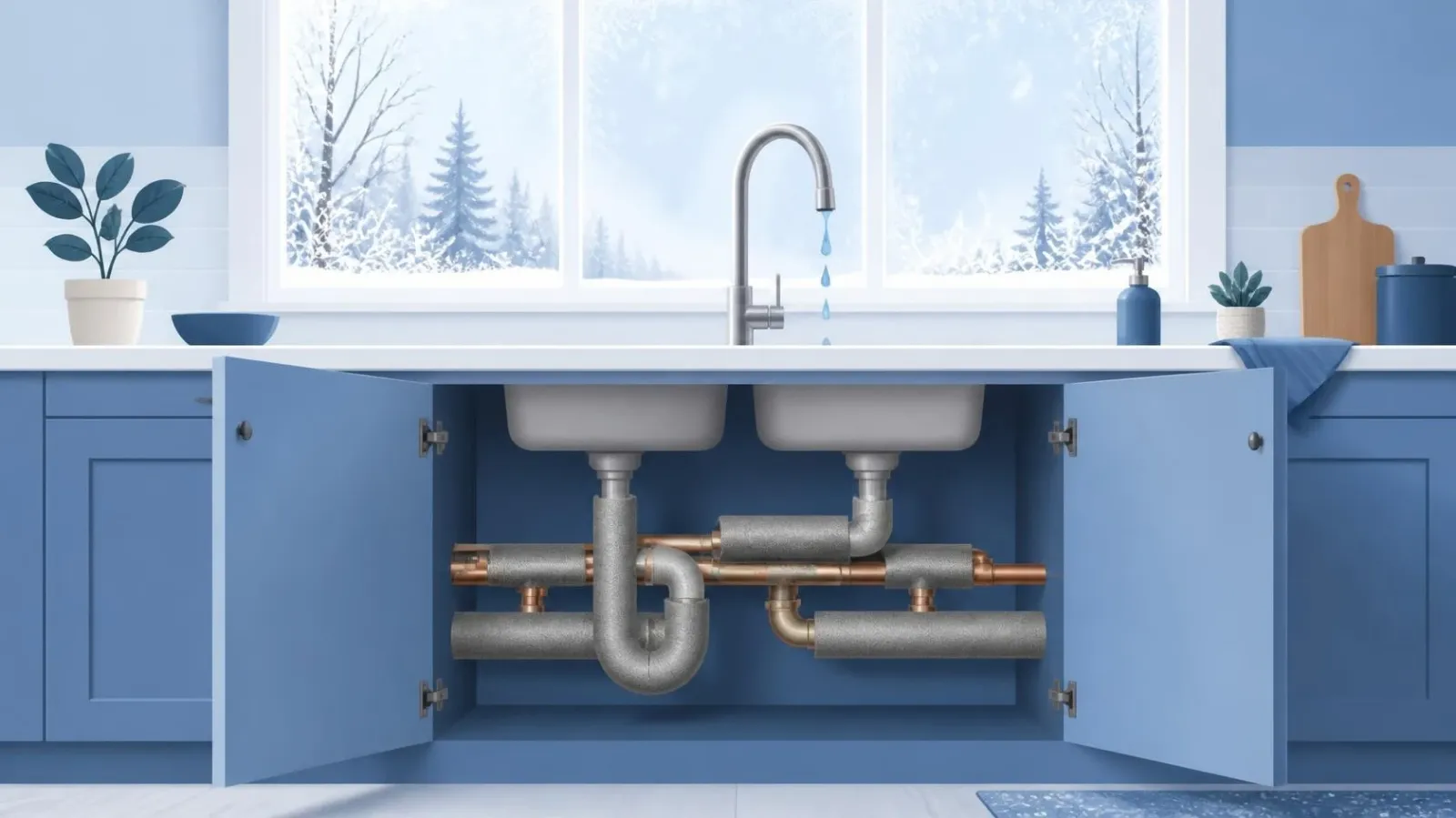
How to Keep Pipes From Freezing (and What to Do If They Do)
Stop frozen pipes before they burst. Learn which pipes freeze first, when to drip faucets, how to winterize outdoor spigots, and how to thaw a frozen pipe safely.
7 min read
More guides you may need
Home Problems
Dryer Keeps Blowing the Thermal Fuse? Why It Happens and How to Fix It
Dryer thermal fuse blows again and again? The fuse is a symptom of overheating. Check the vent first, then the thermostats, element and control board.
7 min read

Home Problems
Electric Gate Not Working? Common Causes and Safe Fixes
Automatic gate will not open, close or take the remote? Check power, remote battery, safety sensors, obstructions and limit settings before calling an installer.
6 min read