Ice Dam on Roof? How to Remove It Safely and Stop It Coming Back
Ice dam on roof causing leaks? Learn what causes it, how to remove it safely without damaging shingles, and how to stop ice dams from forming again.
On this page
An ice dam is a ridge of ice at the roof edge that blocks melting snow from draining. Remove snow from the roof with a roof rake while standing on the ground, and melt a channel through the dam with calcium chloride in a fabric sleeve. Do not chip it. The lasting fix is air sealing and attic insulation.
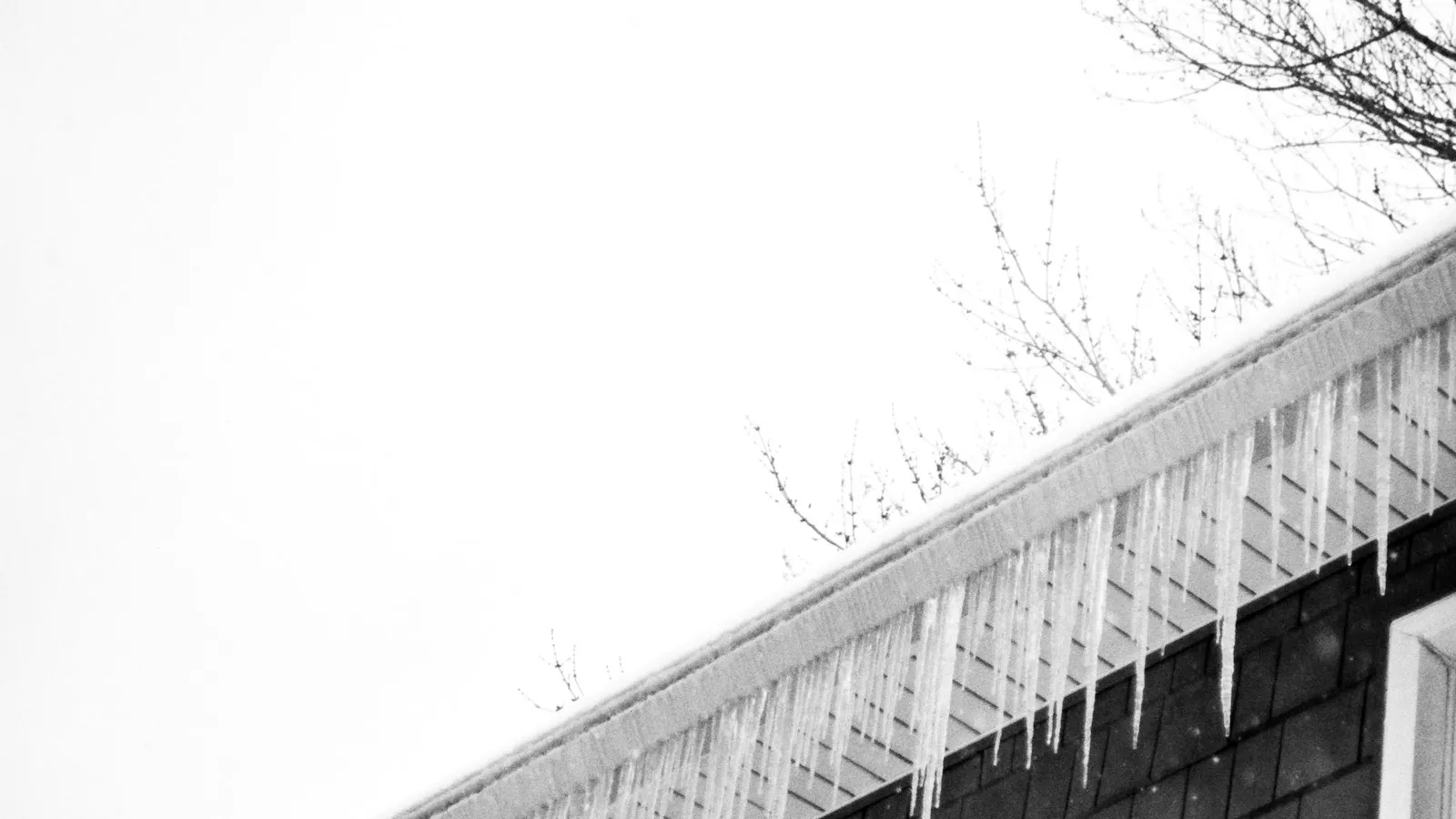
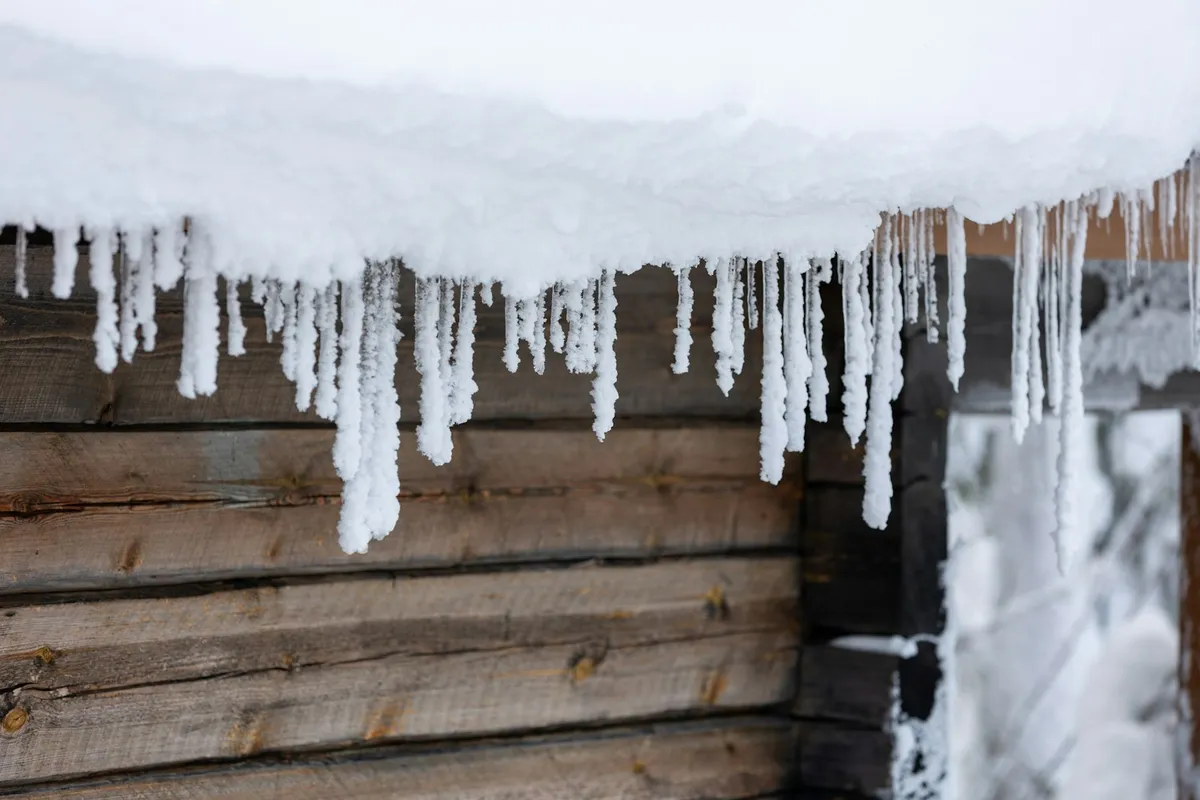
You see icicles, a thick lip of ice along the gutter, and maybe water stains on a ceiling. That is an ice dam. It can push water under shingles and into walls. This guide covers what causes it, how to deal with one safely today, and how to stop it next winter.
What is an ice dam and why does it form?
A roof should stay about the same temperature as the air outside. When heat from your living space leaks into the attic, the roof deck warms. Snow on the upper roof melts and runs down. At the eaves, the overhang is cold because there is no heat from the house under it. The water refreezes there and builds a ridge. New meltwater pools behind that ridge, backs up under the shingles and leaks inside.
So the ice is the symptom. The cause is heat escaping into the attic. The usual leak paths are:
- Gaps around recessed lights and attic hatches
- Open gaps around chimneys, vent pipes and wiring
- Leaky ductwork in the attic
- Too little insulation on the attic floor
- Poor attic ventilation
If you want to find the leaks that waste heat, see how to find air leaks in your house.
Is an ice dam an emergency?
Not always, but it can turn into one. Treat it as urgent if you see:
- Water stains or drips on a ceiling or wall
- Water running down the inside of an exterior wall
- Sagging gutters or ice pulling gutters away from the house
- Large, heavy dams or deep ice along the whole roof edge
If water is already coming inside, place a bucket, move belongings, and take photos for your insurer. Then work on the dam.
How to remove an ice dam safely
1. Remove snow from the roof with a roof rake
A roof rake has a long pole, so you can stay on the ground. Pull the snow down from the lowest three to four feet of the roof. Without snow, there is no meltwater to feed the dam. Stand clear of the edge so falling snow does not hit you, and watch for power lines.
2. Melt channels with calcium chloride
Fill the leg of a nylon stocking or a fabric tube with calcium chloride ice melt. Lay it across the dam, running up the roof from the gutter, so it melts a channel and lets trapped water drain. Several sources say calcium chloride is preferred over rock salt because it works in very cold weather and is less harsh on roofing.
Do not toss loose ice melt on the roof. It can leave stains and damage shingles, metal and plants.
3. Cool the roof deck from inside if you can
If the attic is warm, a box fan pushing cold air across the underside of the roof can cool the deck. This is a temporary measure, and only worth doing if you can reach the attic safely.
4. Call a professional for big dams
Roofs are slippery, and ladders in snow are dangerous. Pros use low-pressure steam to melt ice without damage. This is the right choice for big dams, steep roofs and active leaks.
What not to do
- Do not chip or hack the ice. Axes, hammers, shovels and ice picks crack shingles and cause new leaks.
- Do not use a torch or heat gun. It is a fire risk.
- Do not use a pressure washer.
- Do not use rock salt if you can avoid it.
- Do not ignore interior leaks. Wet insulation can grow mold.
How to stop ice dams from coming back
Because ice dams start with heat loss, the lasting fix is in the attic, not on the roof edge.
Air seal first
Seal the gaps where warm air rises into the attic. Use caulk or foam around wire and pipe openings, weatherstripping on the attic hatch, and fire-rated materials around chimneys. Seal ductwork with mastic. This is often the most effective step, and it also lowers your heating bill.
Add insulation
After sealing, add insulation to the attic floor. How much you need depends on your climate. Check the recommendation for your area on the Energy Star or Department of Energy sites, or ask a local insulation contractor.
Check ventilation
Soffit vents at the eaves and a ridge vent at the peak keep a flow of cold air under the roof. Make sure insulation does not block the soffit vents.
Other measures
- Keep gutters and downspouts clear of leaves
- Consider a wide metal drip edge and a waterproof membrane under the shingles when you replace the roof
- Heated roof cables can help in trouble spots, but they treat the symptom and use electricity
If your roof is old and keeps leaking, read warning signs of a failing roof.
Ice dam leaks and hidden water damage
Water from an ice dam can soak insulation and drywall without showing at first. Look for:
- Stains or bubbling paint on ceilings
- A musty smell in the attic or upstairs rooms
- Damp or compressed attic insulation
- Frost or ice on the underside of the roof deck
For other places water hides, see water leaks behind walls. If you also worry about cold-weather plumbing, see freeze protection for pipes.
Will insurance pay for ice dam damage?
Policies differ. Many cover sudden interior water damage but not the cost of removing the dam or fixing a roof that wore out. Take photos, stop more damage where you can, keep receipts and call your insurer before you sign a repair contract.
When to call a professional
- Water is coming into the house
- The dam is thick, long or high off the ground
- The roof is steep or icy, or you cannot reach it from the ground
- You see sagging ceilings or gutters
- You find wet or moldy insulation in the attic
- The same roof edge dams every winter
Bottom line
Take snow off with a roof rake, melt a channel with calcium chloride in a sleeve, and never chip the ice. Then fix what caused it: seal the air leaks into the attic, add insulation and keep the vents clear.
Sources
This guide was checked against these official and manufacturer sources.
Frequently asked questions
What causes an ice dam on a roof?
Heat from the house leaks into the attic and warms the roof deck. Snow melts, runs down to the cold eaves and refreezes, building a ridge of ice that traps more water behind it.
Can I chip an ice dam off with a hammer?
No. Chipping, hacking or using an axe or a shovel can crack shingles and cause leaks. Use a roof rake from the ground and calcium chloride ice melt instead.
Does rock salt work on an ice dam?
It can, but it can damage shingles, gutters and plants. Calcium chloride is the usual advice because it works in colder temperatures and is gentler on roofing.
Does homeowners insurance cover ice dam damage?
Often it covers sudden water damage inside the house, but policies differ. Take photos, stop further damage, and ask your insurer before you hire repairs.

Written by
Agha Ali Abbas
Agha Ali Abbas is the founder and editor of TimeToNote. He has worked in SEO and content writing for 18 years, and he checks every guide against manufacturer documentation and official sources before it goes live.
Related guides
Home Problems
How to Find Air Leaks in Your House (and Seal Them Cheaply)
Drafty rooms and high energy bills? Learn 7 easy ways to find air leaks in your house, the most common leak spots, and cheap ways to seal them yourself.
7 min read
Home Problems
Signs Your Roof Needs Repair or Replacement (and How to Tell Which)
Missing shingles, leaks, or granules in the gutters? Learn 10 signs your roof needs repair or replacement, how long roofs last, and when a repair is enough.
7 min read
Home Problems
Hidden Water Leaks: 9 Warning Signs and How to Find Them
A hidden water leak can quietly damage your home and raise your bill. Learn 9 warning signs, a simple water meter test, how to check toilets, and when to call a plumber.
7 min read
More guides you may need
Home Problems
How to Paint a Room Like a Pro (Step by Step for Beginners)
Paint a room like a pro, even as a beginner. Learn what supplies you need, how much paint to buy, how to prep walls, cut in, roll without streaks, and clean up.
7 min read
Home Problems
How to Thaw Frozen Pipes Safely Without Bursting Them
Learn how to thaw frozen pipes safely with a hair dryer or warm towels, what never to use, and what to do if the pipe has already burst or is leaking.
5 min read