Dehumidifier Keeps Tripping the Breaker or GFCI? Causes and Fixes
Dehumidifier tripping the breaker or GFCI? Check for an overloaded circuit, a damaged cord or moisture in the unit, and learn when an electrician should look.
On this page
A dehumidifier trips a breaker because it draws too much current on a shared circuit, has a short, or has an internal wiring fault. It trips a GFCI when current leaks to ground, often through moisture in the cord, plug or outlet. Unplug it, check the cord, try another circuit, and call an electrician if it still trips.
Basements are damp, so the problem and the cause tend to meet in the same room. Work through the checks below in order.
Common causes
- Overloaded circuit. A dehumidifier plus a freezer, a sump pump or a space heater on one circuit can pass the limit.
- Damaged cord or plug. Cuts, kinks or a hot plug can cause a short or ground fault.
- Moisture at the plug or outlet. Damp basements make this common.
- Internal fault. A failing compressor or fan motor can draw too much current or leak to ground.
- A worn GFCI or breaker. Old devices can trip too easily.
How to fix it
- Unplug the unit and reset the breaker or GFCI. If it will not reset with nothing plugged in, the breaker, GFCI or wiring is the problem. Call an electrician.
- Dry the plug, cord and outlet with a cloth. Check for damage.
- Move other loads off the circuit and plug the dehumidifier in alone.
- Plug straight into the wall. Avoid thin extension cords.
- Try another circuit or a different outlet. If it runs fine, the first circuit was overloaded or the outlet is at fault.
- Let it rest. If it trips only after running for a while, the motor may be overheating. Clean the filter and coils and make sure the air can flow.
For running cost, see the running cost of a dehumidifier. If the whole house feels damp, humidity with the AC on may be the bigger issue.
Check the label and do the math
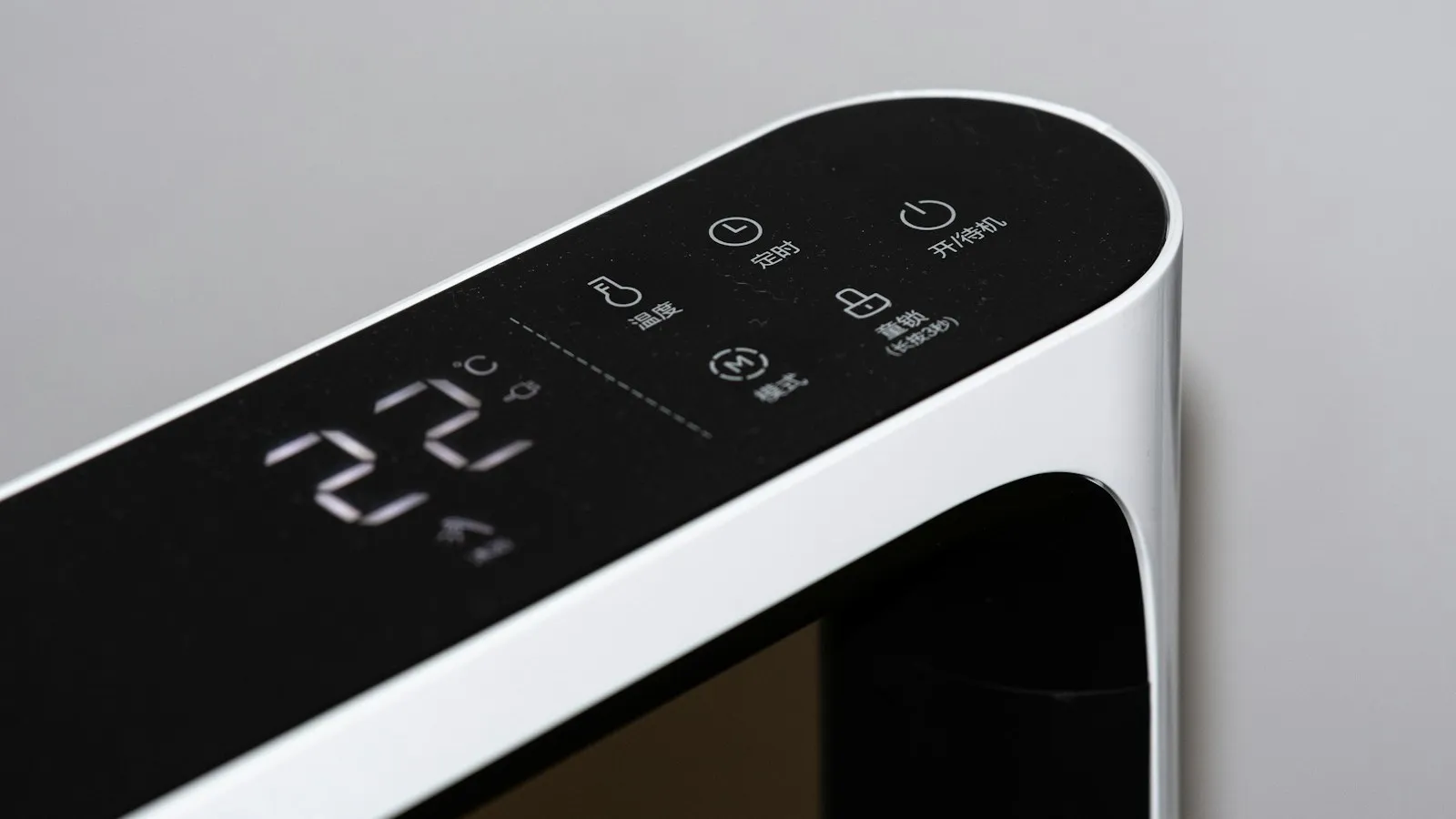
The nameplate on the back of the dehumidifier lists its electrical rating, including the amps it draws. Add that number to anything else on the same circuit, such as a freezer, a sump pump, a workshop tool or a space heater, and compare the total with the breaker rating. Most household circuits are 15 or 20 amps, and a common guideline is to keep steady loads to about 80 percent of the breaker rating. A dehumidifier that runs for many hours is a steady load, so it needs that margin.
Why compressors can trip a breaker
Most dehumidifiers use a compressor, and motors and compressors draw a burst of extra current for a moment when they start. If the unit shuts off and restarts right away, the compressor has to start against pressure that has not equalized, which is harder on it. Many manufacturers advise waiting a few minutes before restarting a compressor appliance. If the unit trips only when it starts, a weak start capacitor or a failing compressor are possible causes, and a repair technician can test them.
Damp basements and GFCI outlets
Basement outlets are commonly protected by a GFCI, and a GFCI trips when current leaks to ground. A wet floor, a damp wall behind the outlet or condensation on the plug can all provide that path. Keep the plug and outlet dry, and make sure the cord is not lying in water. If a sump pump shares the same GFCI, a trip can leave the pump off, so read why a sump pump keeps tripping its GFCI.
Placement and airflow
A dehumidifier that cannot move air has to work harder and can overheat. Leave space around the unit as the manual directs, keep the air filter clean and do not block the intake or exhaust. If the coils ice up in a cool room, the unit may also shut itself off, so check the manual for the minimum room temperature it supports.
When to call a professional
- It trips the moment you plug it in on any circuit: the unit has a fault, so stop using it.
- The GFCI trips with nothing plugged in.
- The outlet is wet, warm or discolored.
- The cord is damaged.
A shared GFCI can trip from combined small leaks, as explained in our GFCI fridge guide.
What not to do
- Do not bypass a GFCI in a damp basement.
- Do not use a damaged cord.
- Do not keep resetting a breaker that trips immediately.
- Do not stand in water to unplug or reset anything.
Bottom line
Check the cord, dry the outlet, run the unit alone on a circuit and test another circuit. If it still trips, the dehumidifier or the wiring has a fault and needs a professional.
Sources
This guide was checked against these official and manufacturer sources.
Frequently asked questions
Why does my dehumidifier keep tripping the breaker?
Appliance repair sources list three causes: drawing too much current on a shared circuit, a short circuit, or an internal wiring fault. An overloaded circuit is the most common.
Why does it trip a GFCI in the basement?
A GFCI trips when current leaks to ground. In a damp basement that can be moisture in the plug, cord or outlet, a fault in the unit, or a problem in the outlet wiring.
Can I use an extension cord with a dehumidifier?
Plug it straight into the wall if you can. If you must use a cord, use a heavy-duty one rated for the load, as short as possible.
Should I stop using it if it trips?
Yes, until you know why. Unplug it, dry the plug and outlet, and test it on another circuit before running it unattended.

Written by
Agha Ali Abbas
Agha Ali Abbas is the founder and editor of TimeToNote. He has worked in SEO and content writing for 18 years, and he checks every guide against manufacturer documentation and official sources before it goes live.
Related guides

Everyday Solutions
How Much Does a Dehumidifier Cost to Run? Per Hour, Day and Month
A typical dehumidifier costs 5 to 13 cents an hour to run. See the cost per day and month by size, how to work out your own bill, and how to cut it.
8 min read
Home Problems
Fridge Keeps Tripping the GFCI Outlet? Causes and What to Do
Refrigerator keeps tripping the GFCI in the garage or kitchen? Learn what causes it, how to find the trigger, and when the fridge or the outlet is the problem.
8 min read
Home Problems
House Still Humid With the AC On? 8 Reasons and How to Fix It
Your AC is running but the house still feels damp and sticky? Learn why it happens, from an oversized AC to a dirty filter, and easy ways to lower indoor humidity.
7 min read
More guides you may need

Home Problems
Refrigerator Water Dispenser Not Working but Ice Maker Works? Fixes
Fridge water dispenser not working while the ice maker still works? Check the filter, control lock and a frozen door line first. Here is the full fix list.
5 min read
Home Problems
Ring Doorbell Not Ringing Inside the House? 8 Fixes
Ring doorbell works on your phone but makes no sound inside? Check the chime type, the In-Home Chime setting, the wiring and your doorbell model.
9 min read