Water Softener vs Water Filter: What Each One Actually Does
Water softener vs water filter: learn what each removes, which problem each solves, when you need both and how to test your water before you spend money.
On this page
A water softener removes the minerals that cause hard water, mainly calcium and magnesium, to stop scale and spots. A water filter removes other things, such as sediment, chlorine, taste, odor and some contaminants. They solve different problems, so test your water first and buy the one that matches your problem.
People mix these two up all the time, and sellers do not always help. Choosing the wrong one means spending hundreds of dollars and still having the same problem. This guide explains what each does, what it does not do, and how to decide.
What does a water softener do?
A softener deals with hardness, which is dissolved calcium and magnesium. Hard water leaves:
- White, chalky scale on faucets and showerheads
- Spots on glasses and dishes
- Soap that does not lather well
- Scale in the water heater, pipes and appliances
- Dry skin and stiff laundry for some people
Most home softeners use ion exchange. Hard minerals stick to resin beads, and the water leaves softer. The beads need to be recharged with salt from time to time. A softener is built for hardness. As one source puts it, it does not remove contaminants beyond the hardness minerals.
What does a water filter do?
A filter removes particles or chemicals from water. What it removes depends on the type:
| Filter type | Typically targets |
|---|---|
| Sediment filter | Sand, dirt, rust flakes and other particles |
| Carbon filter | Chlorine, bad taste and odor, some chemicals |
| Reverse osmosis | A wide range of dissolved solids, usually at one tap |
| UV system | Bacteria and viruses (does not filter particles) |
| Iron filter | Dissolved iron that causes rusty stains |
Check the product's certification and the list of contaminants it is rated for. A filter does not soften water. The scale problem stays.
Softener vs filter: side-by-side
| Question | Softener | Filter |
|---|---|---|
| Fixes scale on faucets and in the water heater | Yes | Usually no |
| Fixes chlorine taste or smell | No | Often yes (carbon) |
| Removes sediment | Not its job | Yes (sediment filter) |
| Makes soap lather better | Yes | No |
| Needs salt | Usually yes | No |
| Needs filter changes | No, but resin lasts years | Yes, regularly |
| Typical install point | Whole house | Whole house or one tap |
Which problem do you have?
- White crust, spots, dry skin, weak lather: hard water. Think softener.
- Chlorine smell or taste: a carbon filter.
- Cloudy water or visible grit: a sediment filter.
- Orange or brown stains: possibly iron. Look at an iron filter.
- Rotten egg smell: this is often a hydrogen sulfide or water heater issue. See why your water smells like rotten eggs.
- Worried about specific contaminants such as lead: do not guess. Use a certified filter and test your water with a lab.
How to test your water first
- Get your utility's water quality report. In the United States, public water systems publish a yearly consumer confidence report. It often lists hardness.
- Use a test strip kit from a hardware store for a quick hardness reading.
- Use a lab test if you have a private well. Well water is not tested by a utility.
- Look at the signs around the house, such as scale and stains.
Hardness is often given in grains per gallon (gpg) or milligrams per liter. Higher means harder. A local water professional can tell you what counts as hard in your area.
When do you need both?
Both is the right answer when the water is hard and also has other issues, such as chlorine taste or sediment. Many homes install a sediment or carbon filter first, then a softener. Order matters because particles and chlorine can damage softener resin over time. Ask the installer for the right order for your water. Some sellers push combination systems, so compare quotes and ask for your test results to be used.
Is soft water safe to drink?
Softened water has a little more sodium, because the process swaps hardness minerals for sodium or potassium. For most people the amount is small. If you are on a low-sodium diet, ask your doctor. Many households keep one tap unsoftened or use a filter at the kitchen sink for drinking.
What about installation and cost?
Costs vary a lot by region, brand and plumbing layout, so get at least two written quotes. A softener or whole-house filter usually needs a plumber for the main line. If you are comfortable with DIY plumbing and local code allows it, our guide on installing a whole-house filter covers the steps.
Whole-house systems can also hide leaks, so after installation check every connection and watch the meter. See finding hidden leaks for how.
Common mistakes
- Buying a softener to fix taste. It will not remove chlorine.
- Buying a filter to stop scale. It usually will not.
- Skipping the water test.
- Forgetting maintenance. Softeners need salt. Filters need changing on schedule or they stop working and can grow bacteria.
- Believing marketing claims without certification.
Bottom line
Softener for scale and spots, filter for taste, particles and contaminants. Test first, match the tool to the problem, and add the second one only if the test shows you need it.
Sources
This guide was checked against these official and manufacturer sources.
Frequently asked questions
Is a water softener the same as a water filter?
No. A softener removes hardness minerals, mainly calcium and magnesium. A filter removes things like sediment, chlorine and some contaminants. Neither does the other's job.
Do I need both a softener and a filter?
Only if your water has both problems, such as hard water plus chlorine taste or sediment. Test your water first so you only buy what you need.
Does a water filter remove hardness?
Most do not. A standard carbon or sediment filter leaves calcium and magnesium in the water, so scale and spots remain.
How do I know if I have hard water?
Common signs are white scale on faucets, spots on dishes, dry skin and soap that will not lather. A cheap test kit or a report from your water utility gives the real number.

Written by
Agha Ali Abbas
Agha Ali Abbas is the founder and editor of TimeToNote. He has worked in SEO and content writing for 18 years, and he checks every guide against manufacturer documentation and official sources before it goes live.
Related guides
Home Problems
How to Install a Water Filtration System at Home (Step by Step)
Learn how to install an under-sink, reverse osmosis, or whole-house water filtration system step by step, what tools you need, costs, and when to call a plumber.
11 min read
Home Problems
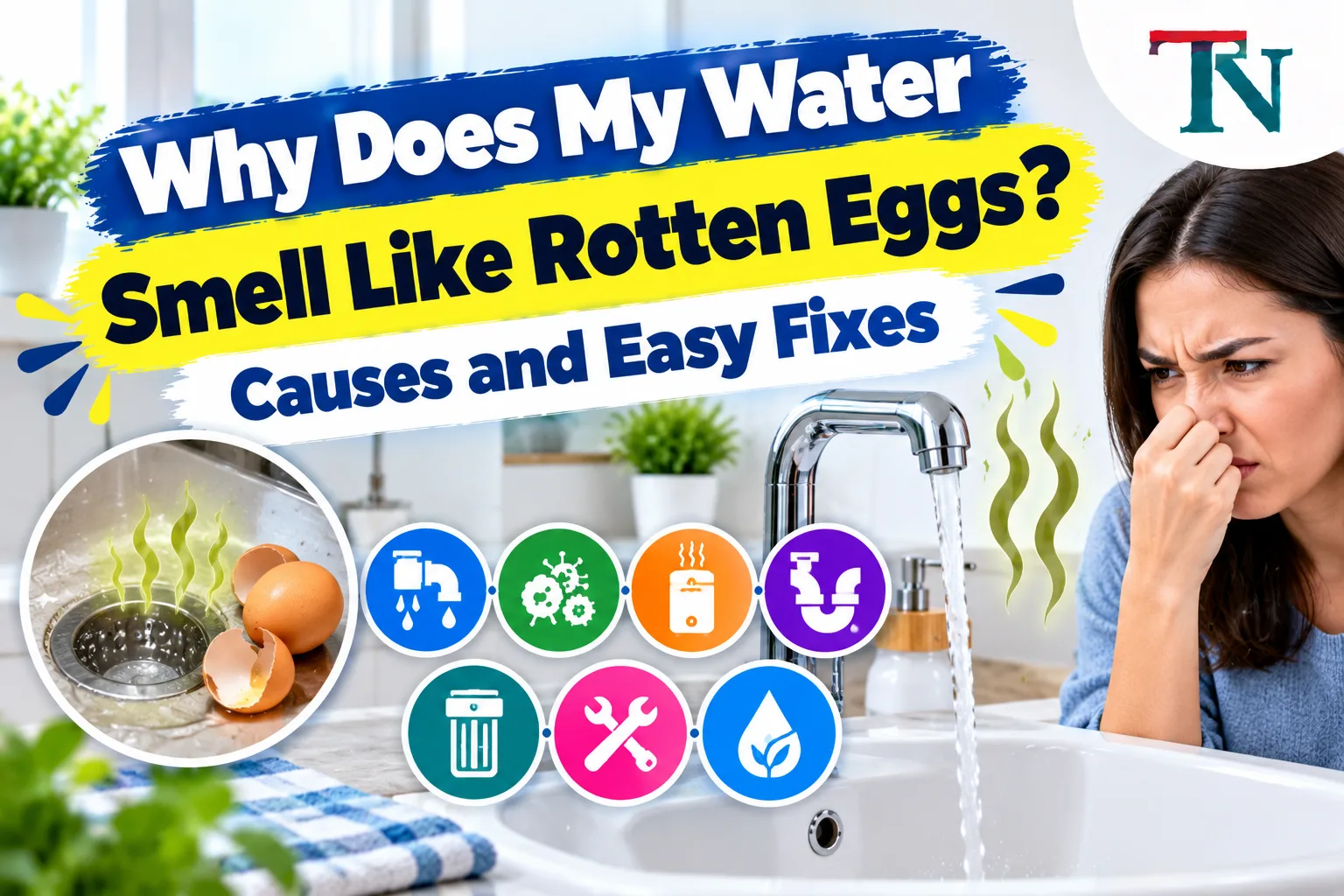
Why Does My Water Smell Like Rotten Eggs? Causes and Easy Fixes
Rotten egg smell in your tap water? Find out if it comes from your water heater, your drain, or your water supply, and how to get rid of it for good.
8 min read
Home Problems
Hidden Water Leaks: 9 Warning Signs and How to Find Them
A hidden water leak can quietly damage your home and raise your bill. Learn 9 warning signs, a simple water meter test, how to check toilets, and when to call a plumber.
7 min read
More guides you may need
Home Problems
Garage Fridge or Freezer Not Working in Winter? Why and How to Fix It
Garage fridge or freezer warm or not cooling in winter? Cold air can switch the compressor off. Learn why it happens, how to protect your food and what fixes work.
6 min read
Home Problems
Garbage Disposal Keeps Tripping the Breaker? Causes and Safe Fixes
Disposal trips the breaker or GFCI when you turn it on? Check for a jam, overheating, a worn motor, wiring and arc-fault conflicts. Safe steps.
5 min read