Washing Machine Shaking Violently During Spin? Causes and Fixes
Washer shaking or walking across the floor on spin? Fix an unbalanced load, level the feet and check shipping bolts and suspension. Here is the full checklist.
On this page
A washing machine shakes violently on spin most often because the load is unbalanced or the machine is not level. Stop the cycle, redistribute the clothes, and add a few items if you are washing one heavy piece. Then level the feet. If it still shakes, check for shipping bolts, worn suspension and a weak floor.
Some vibration on high spin is normal. Banging, jumping or walking across the floor is not, and it can damage the machine and your floor. Here are the causes in the order that is easiest to check.
Why is my washing machine shaking so hard?
- An unbalanced load. A wet comforter, a rug or a single pair of jeans can bunch to one side of the drum.
- An unlevel machine. If one corner is higher than the others, the washer rocks.
- Shipping bolts left in. On many front loaders, bolts locking the drum for transport were never removed.
- Worn suspension. The shock absorbers or suspension rods that hold the drum can wear out with age.
- A weak or uneven floor. A bouncy floor, especially upstairs, magnifies vibration.
- Loose feet or a rocking base. The adjustable feet may have unscrewed or lost their lock nuts.
- A failing drum bearing. Loud grinding or rumbling that follows the spin points to this, and it is a bigger repair.
What the pattern tells you
| What you notice | Likely cause |
|---|---|
| Only with large or single items | Unbalanced load |
| Rocks if you push a corner | Unlevel machine |
| New or just-moved machine, violent from the first spin | Shipping bolts |
| Gets worse over months, with banging | Worn suspension |
| Shakes more upstairs | Floor |
| Loud grinding or rumbling | Bearing |
How to fix it
- Pause the cycle. Open the door when the drum stops and spread the clothes evenly around the drum.
- Balance the load. Do not wash one heavy item alone. Add a few towels, and avoid mixing heavy items with light ones.
- Do not overfill. A drum packed solid cannot balance either.
- Check that it is level. Place a level on top of the washer, front to back and side to side. Turn the feet to adjust and tighten the lock nuts against the base.
- Push on each corner. If it rocks, adjust that foot until it sits firmly on the floor.
- Look for shipping bolts. On the back of a front loader, look for large bolts, often with rubber or plastic fittings. Your manual shows where they are and how to remove them. Keep them if you move.
- Use anti-vibration pads. Rubber pads under the feet absorb some shaking.
- Move to a stronger spot. If the floor is bouncy, a sheet of plywood under the washer can spread the load. On an upper floor, a joist-supported spot is better.
What if the machine stops and shows a code?
Many washers detect an unbalanced load and stop to protect themselves. They may show a code or a symbol, and some will try to rebalance before they give up. Open the door, redistribute the clothes and restart a spin. The meaning varies by brand, so check your manual. LG owners can look at the LG fault code list.
When the suspension is the problem
A washer that shakes with every load, even small ones, and has been doing it for months, often needs new shock absorbers or suspension rods. These are common repairs, and the parts are sold by model number. On many machines, replacement means opening the cabinet, which is a job for a confident DIYer or a technician. If the washer is more than 10 years old, weigh the repair against a new machine.
When to call a professional
Call a technician if:
- Leveling, balancing and bolt removal do not help.
- You hear metal grinding or a loud rumble.
- The drum moves too freely or hits the cabinet.
- You see water under the machine, or it stops draining, as in water left sitting in the drum.
- The door will not open after a violent spin, as in a stuck washer door.
What not to do
- Do not wedge the machine with cardboard or wood.
- Do not hold the machine down while it spins.
- Do not keep running cycles that bang against the wall.
- Do not wash a single heavy item alone.
Bottom line
Balance the load, level the feet and make sure the shipping bolts are out. Those fix most shaking. If it persists, think suspension, then the floor. If your washer also smells, read why a washer smells. If it trips the breaker, see a washer that blows the breaker.
Sources
This guide was checked against these official and manufacturer sources.
Frequently asked questions
Why does my washing machine shake so much on the spin cycle?
The most common cause is an unbalanced load, such as one heavy wet item bunched on one side. An unlevel machine and worn suspension are the next most likely.
Is it dangerous if my washer shakes?
A little shaking is normal. Violent banging, walking across the floor or metal grinding can damage the machine, your floor and the wall, so stop the cycle.
What are washing machine shipping bolts?
Many front loaders have bolts that lock the drum for transport. They must be removed before the first use, and a machine left with them in place will shake hard.
Can a washer on an upper floor shake more?
Yes. A weak or bouncy floor amplifies vibration. Anti-vibration pads or a plywood base under the washer can help.

Written by
Agha Ali Abbas
Agha Ali Abbas is the founder and editor of TimeToNote. He has worked in SEO and content writing for 18 years, and he checks every guide against manufacturer documentation and official sources before it goes live.
Related guides
Home Problems
Why Is My Washing Machine Not Draining? 8 Causes and Fixes
Washing machine full of water and not draining? Check the drain hose, pump filter, standpipe and pump in this order, and learn how to empty it safely.
10 min read
Home Problems
Washing Machine Door Won't Unlock After the Cycle? Causes and Fixes
Washing machine door stuck shut after the cycle? Wait, check for water, reset the power or use the emergency release. Here is the safe order to try.
5 min read
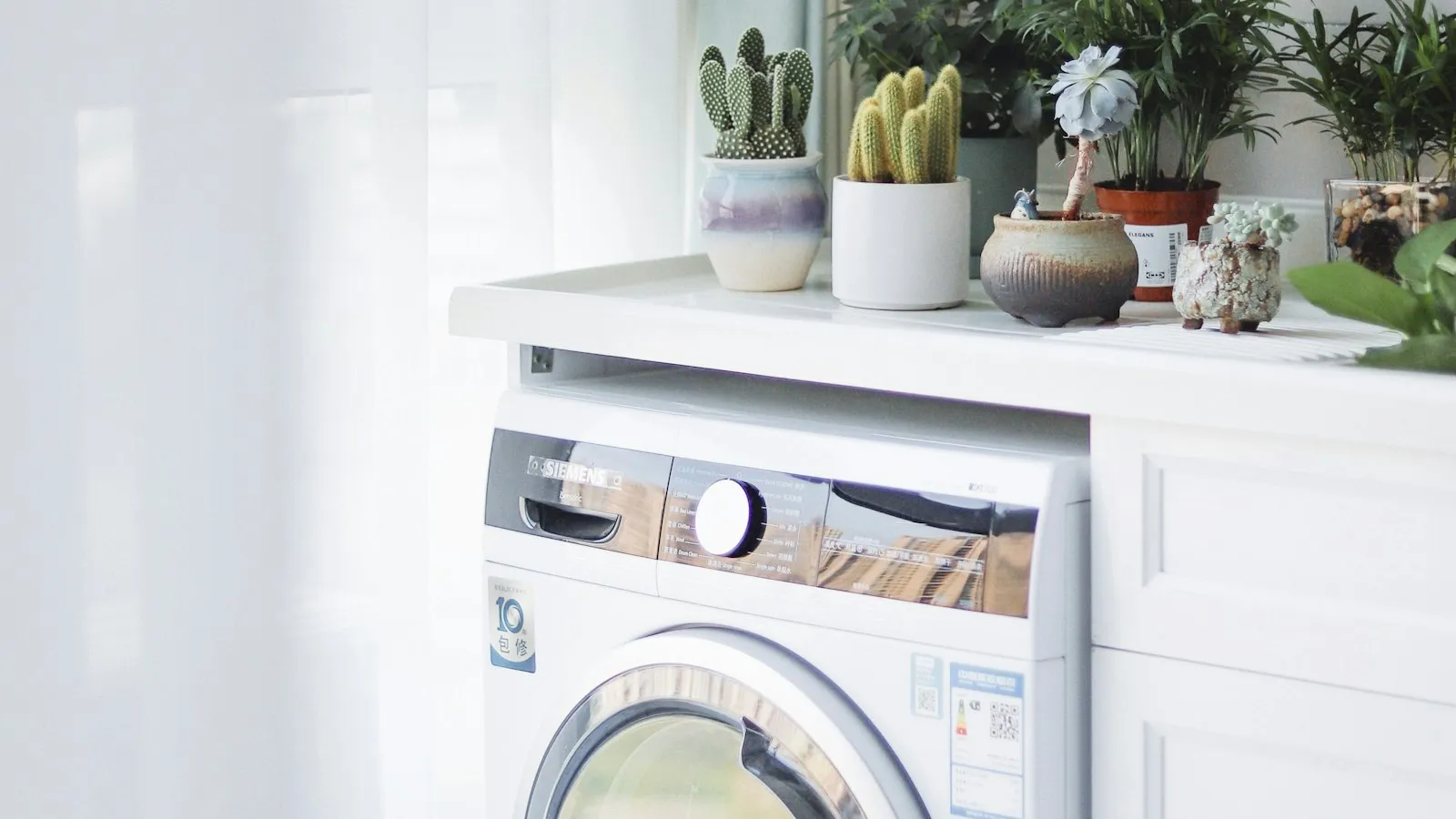
Home Problems
Washing Machine Keeps Tripping the Breaker? Causes and Safe Fixes
Washing machine trips the breaker or GFCI mid-cycle? Check a shared circuit, the motor, heating element, connections and moisture. Safe steps.
5 min read
More guides you may need
Home Problems
Dishwasher Won't Start? No Lights, No Sound: Causes and Fixes
Dishwasher won't start or the panel is dead? Check power, the door latch, the control lock and a hard reset before you call for service. Steps for most brands.
4 min read
Home Problems
Dryer Keeps Blowing the Thermal Fuse? Why It Happens and How to Fix It
Dryer thermal fuse blows again and again? The fuse is a symptom of overheating. Check the vent first, then the thermostats, element and control board.
7 min read