Light Not Working but Has Power? Causes, Tests and When to Call an Electrician
Light will not turn on even though the switch or fixture shows power? Check the bulb, socket, dimmer and neutral wire. Safe tests and when to call an electrician.

On this page
A light that "has power" but will not turn on usually has a bad bulb, a worn socket contact, an incompatible dimmer or a broken return path (a lost neutral). Swap in a known-good bulb, try the bulb in another lamp, then check the switch, dimmer and socket with the breaker off. If the bulb and socket are fine, call an electrician, because a lost neutral should not be left unfixed.
You flip the switch and nothing happens. You tested the wire and it shows power, or the neighbor light on the same switch works. The question is how a fixture can have power and still stay dark.
The short answer is that "has power" and "has a working circuit" are not the same. This guide walks you through the tests in a safe order, from free checks to the point where you should stop and call a licensed electrician. It draws on electrician-written guides and forum threads where electricians diagnose this exact problem. Where wiring rules differ by country or by state, check your local code.
Why a light can have power but not work
Electricity needs a complete loop. The hot wire carries it to the light, and the neutral wire carries it back. If either side is broken, the light stays off.
A simple voltage test can mislead you. Testers can pick up voltage on a wire even when no real current can flow. One electrician forum thread shows a fitting that had voltage at the lampholder but stayed dark. Responders suspected loose lampholder terminals or a lost neutral, and said the neutral was more likely.
| Symptom | Likely cause |
|---|---|
| New bulb does not light, other lamps work with the same bulb | Socket or fixture problem |
| One light dead, others on the same switch work | That fixture's socket, bulb or wiring |
| Several lights dead on one circuit, breaker looks fine | Loose connection upstream or a lost neutral |
| LED flickers or will not light with a dimmer | Incompatible dimmer or driver |
| Light dead in a bathroom, garage or outdoors | Tripped GFCI outlet elsewhere on the circuit |
Safety first
- Turn the breaker off, not only the wall switch. The switch may break only the hot wire, so parts of the fixture can stay live.
- Confirm the circuit is dead with a tester before you touch wires.
- Do not stand on a damp floor or use a metal ladder near live wiring.
- If you smell burning, see scorch marks or hear buzzing, stop and call an electrician.
Step 1: Check the bulb properly
The first step is to rule out the most common failure.
- Put the same bulb in a lamp you know works.
- Put a different bulb, known to work, into the dead fixture.
- Check the bulb type and wattage on the fixture. A bulb that is too large, or the wrong base, may not seat properly.
- For LEDs, remember that a bulb can fail with no visible sign.
If the new bulb works, you are done. If a known-good bulb does not work in the fixture, the problem is in the socket or the wiring.
Step 2: Check the dimmer and the switch
Dimmers and LEDs do not always get along. If the light is on a dimmer:
- Turn the dimmer all the way up.
- Check that your bulb is labeled "dimmable." Non-dimmable LEDs can flicker or fail to light on a dimmer.
- Look at the minimum load rating on the dimmer. A single LED bulb may be below it.
If it is a plain switch, a failed switch can also leave the fixture dead. Turn off the breaker, take the switch plate off, and look for loose, scorched or disconnected wires. A switch that feels loose, hot or crackles should be replaced.
Step 3: Check whether a GFCI tripped
Lights in bathrooms, garages, basements and outdoors are often protected by a GFCI outlet that may be in another room. Look for an outlet with TEST and RESET buttons, press RESET firmly, and see if the light returns. Our guide to why a fridge trips a GFCI explains what a repeated trip means.
Step 4: Check the breaker
Look in the panel for a breaker in the middle position. Switch it fully off and on once. If it trips again, stop. A breaker that keeps tripping needs an electrician. Read a breaker that will not stay on first if you are not sure.
Step 5: Look at the socket

With the breaker off:
- Remove the bulb and look inside the socket.
- The small metal tab at the bottom of a screw-in socket can flatten over time. Carefully lifting it slightly with a non-metal tool can restore contact. Make sure the power is off.
- Look for corrosion, burn marks, melted plastic or a loose socket.
- For ceiling fixtures, take the canopy down and look for wire nuts that have come loose.
A loose lampholder terminal is one of the two causes electricians give when a fixture shows voltage and stays dark.
Step 6: Suspect a lost neutral
If a known-good bulb and a clean socket do not help, the neutral path may be broken. Electrician threads describe a classic pattern: there is voltage from the live wire to earth or ground, but no voltage between live and neutral when the light is switched on, and nothing has tripped at the panel.
A US example from a forum: lights and a fan in a guest bathroom stopped during a party with the breaker still on. The wires read 120 volts to ground at the switches and fixture, yet nothing worked. Responders still pointed to the neutral.
Common causes electricians mention:
- A loose neutral connection at a junction box or at the panel.
- Neutral wires that were separated during earlier work.
- A screw or anchor that went into a wire inside the wall.
This is a job for a licensed electrician. A lost neutral can put the wrong voltage on other devices and can be a fire risk, so do not leave it.
Do not trust a non-contact tester alone
A non-contact voltage tester is useful to check whether a wire is live. But it can also beep near a wire that is energized but cannot carry current, which is exactly what happens with a lost neutral. A forum electrician warned that a simple neon contact screwdriver should not be trusted at all. A proper multimeter can read live-to-neutral and live-to-ground, and that is how electricians tell the difference.
When to call an electrician
Call a licensed electrician if:
- A known-good bulb does not work in a clean socket.
- More than one fixture is dead on the same circuit.
- You see scorching, melted wires or smell burning.
- Lights flicker or dim when other appliances run.
- You cannot find the cause with the breaker off.
- You are not comfortable working with wiring.
Tell the electrician which lights are affected, when it started, and what you tried. A written estimate before work begins is reasonable.
What not to do
- Do not work on wiring with the breaker on.
- Do not use a bigger bulb than the fixture is rated for.
- Do not cover a hot fixture with insulation.
- Do not pull on wires in a wall to find the problem.
- Do not leave a suspected lost neutral for later.
Which fix fits your situation?
- Bulb works elsewhere, not here: check the socket tab and the wiring.
- One light on a dimmer: check bulb type and the dimmer rating.
- Several lights dead and the breaker looks fine: call an electrician.
- A bathroom or garage light: press RESET on the GFCI.
- Burn smell or buzzing: turn off the breaker and call.
Bottom line
A light that has power but will not work often has a simple fault in the bulb, socket or dimmer. If it does not, a lost neutral is the reason, and that is an electrician's job. Always work with the breaker off, and do not rely on a non-contact tester to say a circuit is healthy. If your garage light behaves oddly in the other direction, see why a garage door light will not turn off.
Sources
This guide was checked against these official and manufacturer sources.
Frequently asked questions
Why does my light have power but not turn on?
The most common causes are a bad bulb, a loose or dirty socket contact, an incompatible dimmer, or a broken return (neutral) path. A tester can show voltage on the wire even when the circuit cannot carry current.
What is a lost neutral?
The neutral wire completes the circuit back to the panel. If it is loose or broken, the fixture can show voltage to ground but never get enough current to light. Electricians treat it as a safety problem and not a nuisance.
Can I trust my non-contact voltage tester?
Not fully. It can beep on a wire that carries voltage but no real current. A forum electrician warned against relying on a neon contact tester at all. Use a multimeter or let an electrician test it.
Is a light that has power but does not work dangerous?
It can be. A lost neutral can put odd voltage on other parts of the circuit and can overheat a poor connection. If a new bulb and socket do not fix it, turn the circuit off and call an electrician.
Should I turn off the breaker or just the switch?
Always the breaker. A wall switch may only break the hot wire, so parts of the fixture can stay live. Confirm the circuit is dead with a tester before touching anything.

Written by
Agha Ali Abbas
Agha Ali Abbas is the founder and editor of TimeToNote. He has worked in SEO and content writing for 18 years, and he checks every guide against manufacturer documentation and official sources before it goes live.
Related guides
Home Problems
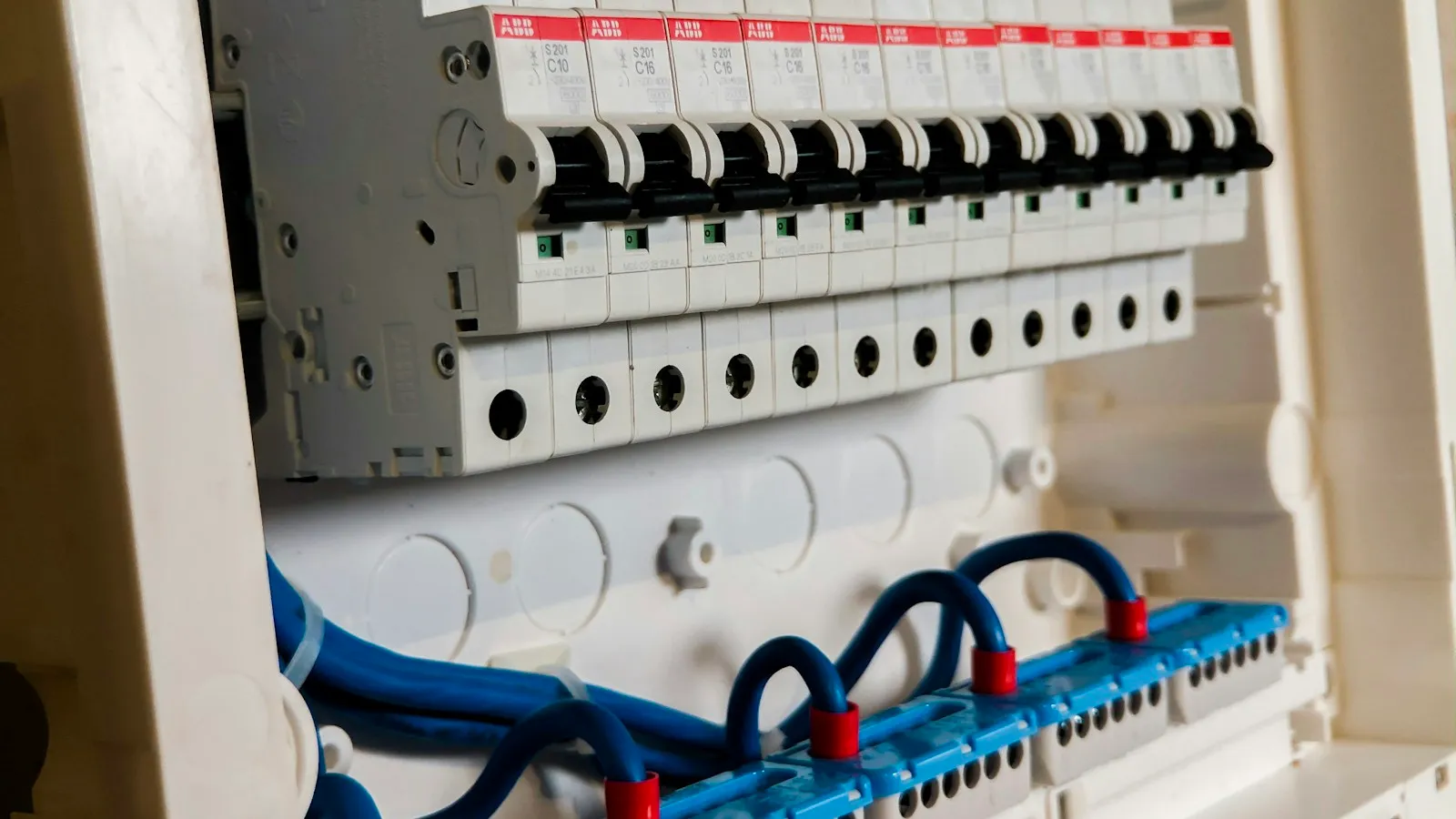
Why Does My Circuit Breaker Keep Tripping? 7 Causes and Safe Fixes
Why does your breaker keep tripping? Learn the 7 common causes, simple safe checks, and when to call an electrician. Easy steps for any home.
11 min read
Home Problems
Why Won't My Garage Door Opener Light Turn Off? 7 Causes and Fixes
Garage door opener light stays on and will not turn off? Check the motion sensor, safety sensors, light timer and wall control before you call for repair.
8 min read
Home Problems
Why Is My Thermostat Blank? 9 Easy Fixes You Can Try Today
Thermostat screen blank or dead? Try these simple fixes for batteries, breakers, wires, and smart models. Most take under 10 minutes.
10 min read
More guides you may need
Home Problems
Are Hurricane Shutters Worth It? Costs, Types and Impact Windows Compared
Are hurricane shutters worth the money? Compare storm panels, accordion, and roll-down shutters with impact windows, plus 2026 costs and insurance tips.
7 min read
Home Problems
Microwave Keeps Running or Starts When the Door Is Open? What to Do
Microwave keeps running or starts with the door open? Stop using it. Learn what the door switches do, what is normal, and what to ask a technician.
6 min read