How to Thaw Frozen Pipes Safely Without Bursting Them
Learn how to thaw frozen pipes safely with a hair dryer or warm towels, what never to use, and what to do if the pipe has already burst or is leaking.
On this page
To thaw a frozen pipe, open the faucet it feeds, then warm the pipe with a hair dryer on low or medium heat, starting near the faucet and working toward the ice. Keep it moving. Never use a torch or open flame. If the pipe is cracked or leaking, shut off the main water valve and call a plumber.
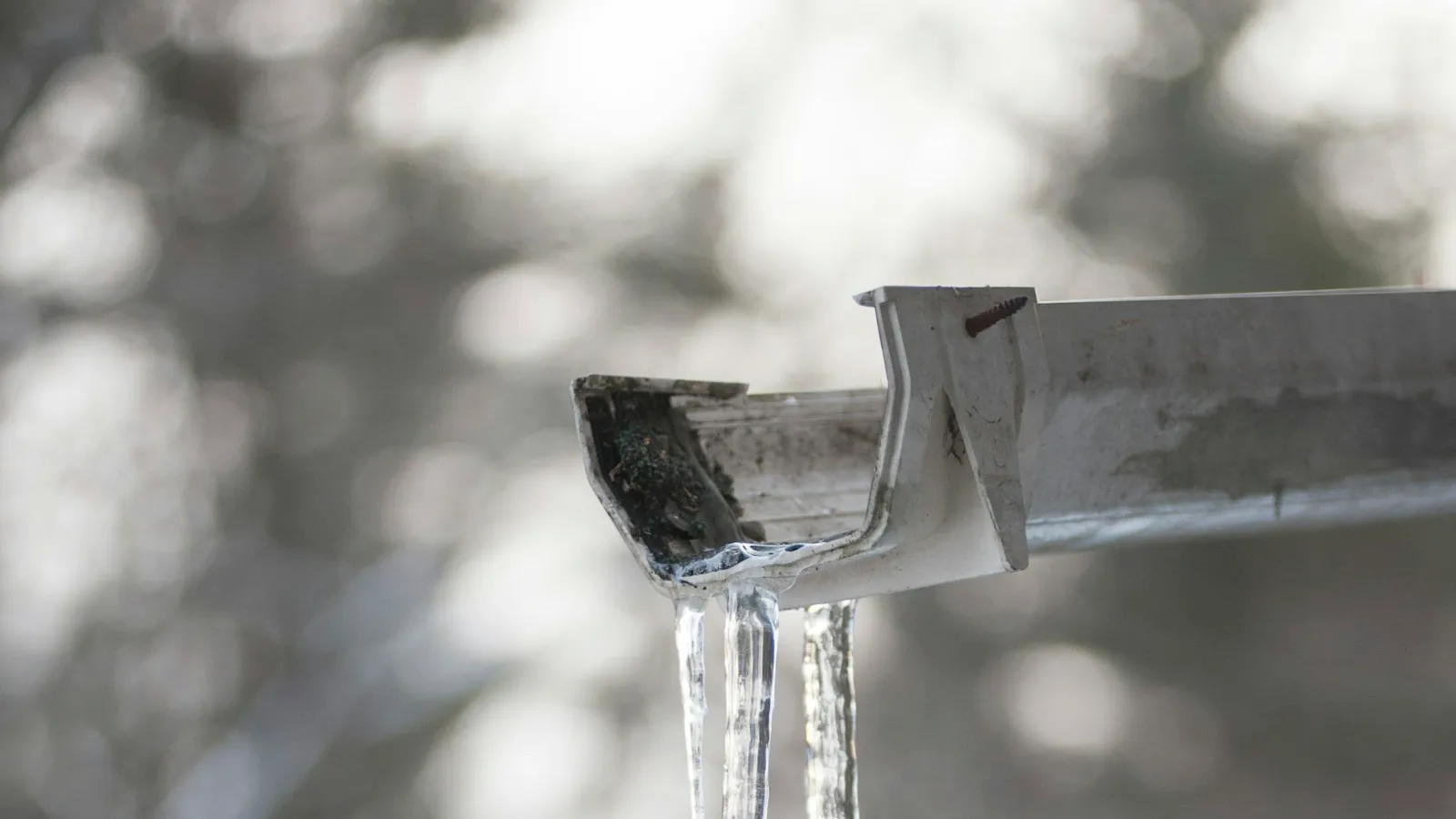
A faucet that gives only a trickle, or nothing at all, on a cold morning usually means a frozen pipe. The good news is that a frozen pipe is not always a broken pipe. If you thaw it slowly and safely, you may avoid a flood. This guide shows how to find it, thaw it, and what to do if it has already burst.
How do I know a pipe is frozen?
- Water slows to a trickle or stops completely
- Only one fixture is affected, or only the hot or cold side
- Frost or ice on an exposed pipe
- Temperatures have been below freezing and the pipe runs through an unheated area
If no water comes out anywhere, check whether the problem is the whole house or one line. If no tap works, the frozen section may be near the meter or where the main enters the house.
Likely trouble spots are pipes in exterior walls, crawl spaces, attics, garages, basements and under sinks on outside walls.
Before you start
- Open the faucet. Open the tap the frozen pipe feeds. Water needs an exit as the ice melts, and steam or pressure can build and burst a pipe without one.
- Look for leaks and cracks. If you see water, a bulge or a split, stop. Shut off the main water valve and call a plumber.
- Find the main shutoff. Know where it is before you thaw anything.
- Find the frozen section. Feel along the pipe. A frozen part is colder, may have frost on it, and is often nearest an outside wall.
How to thaw frozen pipes step by step
Method 1: Hair dryer (best for most homes)
- Keep the faucet open.
- Plug the dryer into a GFCI outlet and keep it away from standing water.
- Set it on low or medium heat.
- Start at the end of the frozen pipe nearest the faucet and work back toward the ice. This lets melted water flow out as you go. Starting at the far end can trap water between the heat and the ice, building pressure.
- Keep the dryer moving. Do not hold it on one spot or on fittings and joints for long.
- Keep going until full water pressure returns.
Method 2: Warm towels
Soak towels in hot water, wring them out and wrap them around the pipe. Re-soak and repeat. It is slow, but safe.
Method 3: Heating pad or heat tape
An electric heating pad wrapped around an exposed pipe works well. Heat tape or heat cable made for pipes is safe if you use it as directed. Never wrap heat tape over itself, because it can overheat.
Method 4: A space heater, with care
Set a space heater with tip-over protection a safe distance from the pipe, in a room where it can warm the air near the pipe. Keep it at least three feet from anything flammable and never leave it running unattended. If the heater starts to smell like burning, see space heater smells like burning.
Method 5: Warm the room
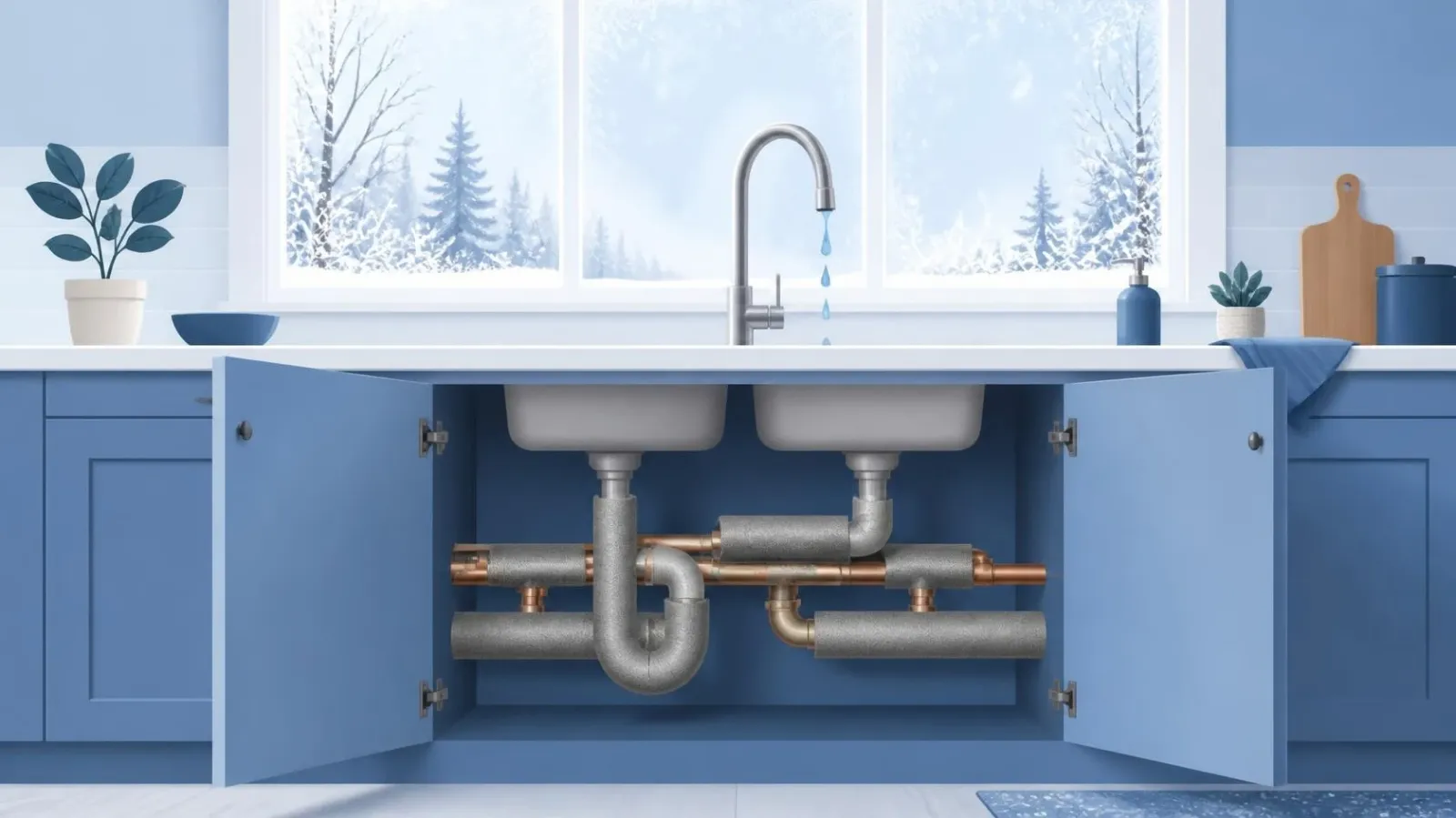
If the pipe is behind a wall, open the cabinet doors under sinks on outside walls and turn up the heat so warm air reaches the pipes.
What never to use
Also avoid:
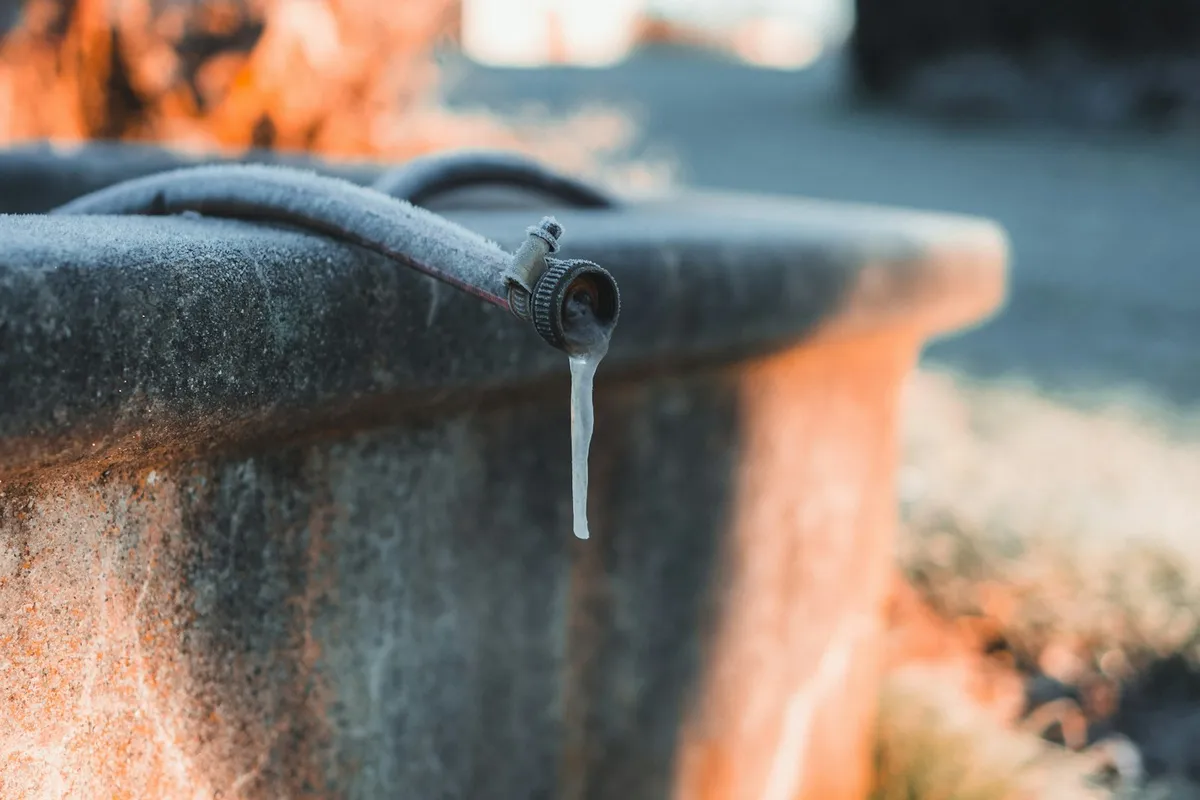
- Boiling water poured on a pipe. It can crack cold pipes.
- A heat gun held in one place.
- Direct heat near gas lines.
- Waiting for a thaw while ignoring a leak.
What if the pipe has burst?
Frozen pipes often crack, but you may not see it until the ice melts and water flows.
- Shut off the main water valve right away.
- Open the faucets to drain what is left in the lines.
- Turn off the electricity to any wet area if water is near outlets or appliances, and only if it is safe to reach the panel.
- Take photos for your insurer.
- Call a plumber.
- Dry the area with towels, fans and a wet vacuum.
If you notice a wet spot or a hissing noise you cannot trace, see hidden moisture problems. If the pipes bang when you turn the water off, that is a different problem. See pipes banging when water is turned off.
What if I cannot find the frozen spot?
- The pipe may be inside a wall, floor or ceiling.
- The freeze may be in the main line outside the house or at the meter.
- Open nearby cabinet doors and raise the thermostat.
- Call a plumber if you cannot reach it. Pros have tools that safely thaw pipes inside walls.
Do not cut into drywall yourself unless you know where the pipe is.
When to call a plumber
- The pipe has burst or leaks
- You cannot find the frozen section
- The pipe is in a wall, under a slab or underground
- There is still no water after an hour of safe thawing
- It happens again and again
- The frozen pipe is next to a gas line
After the pipe thaws
- Keep the faucet open for a few minutes until it runs normally.
- Check the pipe for beading, drips or dampness. A bead of water forming on the pipe can mean a small crack.
- Check the other taps in the house.
- Turn faucets off and watch for leaks over the next hour.
How to stop pipes from freezing again
- Let faucets drip slowly on very cold nights
- Open cabinet doors so warm air reaches the pipes
- Keep the thermostat at 55°F or higher, even when you are away
- Insulate exposed pipes in basements, crawl spaces and attics
- Seal drafts near pipes. See finding drafts and air leaks
- Disconnect garden hoses and shut off outdoor spigots
See preventing frozen pipes for the full prevention plan. If the power goes out in a cold snap, our blackout checklist has steps to protect your plumbing.
Bottom line
Open the tap, warm the pipe slowly with a hair dryer or warm towels, and work from the faucet toward the ice. Never use a flame. If you see a leak, shut off the main water and call a plumber.
Sources
This guide was checked against these official and manufacturer sources.
Frequently asked questions
What is the fastest safe way to thaw a frozen pipe?
Open the faucet, then warm the pipe with a hair dryer on low or medium heat, moving it back and forth. Start near the faucet and work toward the frozen section.
Can I use a blowtorch or propane torch to thaw a pipe?
No. Open flames can ignite wood framing, damage the pipe and cause a fire. Never use a torch, kerosene heater or any open flame.
How do I know if a frozen pipe has burst?
Look for water stains, dripping, a hissing sound, or water that sprays or beads on the pipe as it thaws. If you see any, shut off the main water valve and call a plumber.
How long does it take for a frozen pipe to thaw?
It can take from several minutes to a few hours, depending on the pipe, the length of the ice and the heat you apply. Keep the faucet open until water flows normally.

Written by
Agha Ali Abbas
Agha Ali Abbas is the founder and editor of TimeToNote. He has worked in SEO and content writing for 18 years, and he checks every guide against manufacturer documentation and official sources before it goes live.
Related guides
Home Problems
How to Keep Pipes From Freezing (and What to Do If They Do)
Stop frozen pipes before they burst. Learn which pipes freeze first, when to drip faucets, how to winterize outdoor spigots, and how to thaw a frozen pipe safely.
7 min read
Home Problems
Hidden Water Leaks: 9 Warning Signs and How to Find Them
A hidden water leak can quietly damage your home and raise your bill. Learn 9 warning signs, a simple water meter test, how to check toilets, and when to call a plumber.
7 min read
Home Problems
Pipes Banging When the Water Is Turned Off? Causes and Fixes
Pipes banging or knocking when you turn the water off? That's water hammer. Learn the causes, how to test for it and 6 fixes, from pipe straps to arrestors.
5 min read
More guides you may need
Home Problems
Heat Pump Blowing Cold Air in Winter? Causes and Fixes
Heat pump blowing cold air in winter? It may be the normal defrost cycle, or a thermostat setting, dirty filter or iced coil. Learn which and what to do about it.
6 min read
Home Problems
Hot Water Runs Out Fast? Causes and Fixes
Hot water running out in minutes? A failed heating element, sediment, a broken dip tube or an undersized tank are the usual causes. Here is how to find yours.
6 min read