Hot Water Not Working in Cold Weather? Why It Happens and What to Check
No hot water or only lukewarm water when it is cold? Check frozen pipes, the thermostat, the breaker or pilot light, and sediment. Safe steps and when to call a plumber.
On this page
If there is no hot water in cold weather, check these in order: whether it is only one tap, whether a pipe is frozen, whether the water heater's breaker, pilot light or gas supply is on, and whether the thermostat is set too low. Cold incoming water also makes a heater work harder, which can expose old problems like sediment or a worn element. If you smell gas, see a leak or cannot reach a frozen pipe, call a plumber.
You step into the shower and the water stays cold, or it turns lukewarm after a few minutes. It tends to happen on the coldest morning of the year, and that is not a coincidence. This guide explains why winter causes it and what to check, from easy fixes to the point where you should call a professional.
The causes and steps come from plumbing company guides and a home-services advice page. They agree on the main points. Brand and model details differ, so use your water heater's manual.
Why cold weather causes hot water problems
Three things change in winter:
- Pipes can freeze. Exposed or poorly insulated supply lines can freeze, which keeps water from reaching the heater even if the heater itself works.
- The incoming water is colder. The heater has a bigger temperature gap to close. A plumbing source says winter does not usually cause problems but often makes existing ones noticeable, such as sediment buildup, worn heating elements or failing parts.
- You use more hot water. Longer showers and more laundry can drain a tank faster.
| What you notice | Most likely cause |
|---|---|
| No hot water at all, cold water works | Heater off, tripped breaker, pilot out, or a frozen supply line |
| Lukewarm water | Thermostat too low, sediment, a failed element, or cold incoming water |
| Hot water runs out quickly | Sediment, a failed element or a heater that is too small for winter use |
| Hot water dead at one tap only | Faucet cartridge or valve |
| Water heater clicks or fails to light (gas) | Pilot light or thermocouple |
Step 1: Is it one tap or the whole house?
Open the hot tap in two or three places.
- Only one tap is bad: the faucet may have a worn cartridge or a valve blocked by minerals or debris. The heater is probably fine.
- Every hot tap is bad: the problem is at the heater or in the supply line to it. Continue with the steps below.
Step 2: Look for frozen pipes
If the temperature has been below freezing, a pipe may have frozen. Signs include water that trickles or stops completely at one or more taps, frost on exposed pipes, or pipes in unheated areas like a basement, garage or crawl space.
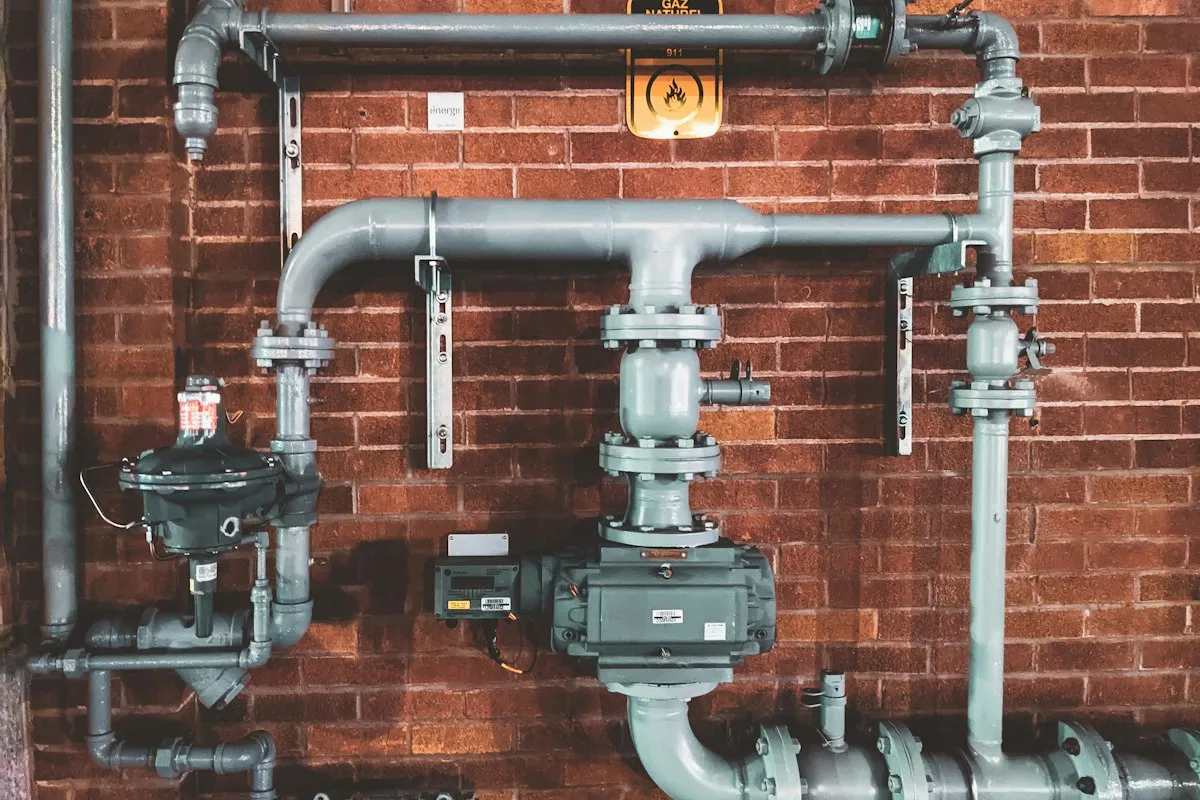
If you suspect a frozen line:
- Do not use an open flame to thaw it.
- Turn off the water supply to that line, and keep the tap open so water can move as it thaws.
- If you cannot reach it safely, or you see a split pipe or water where it should not be, call a plumber.
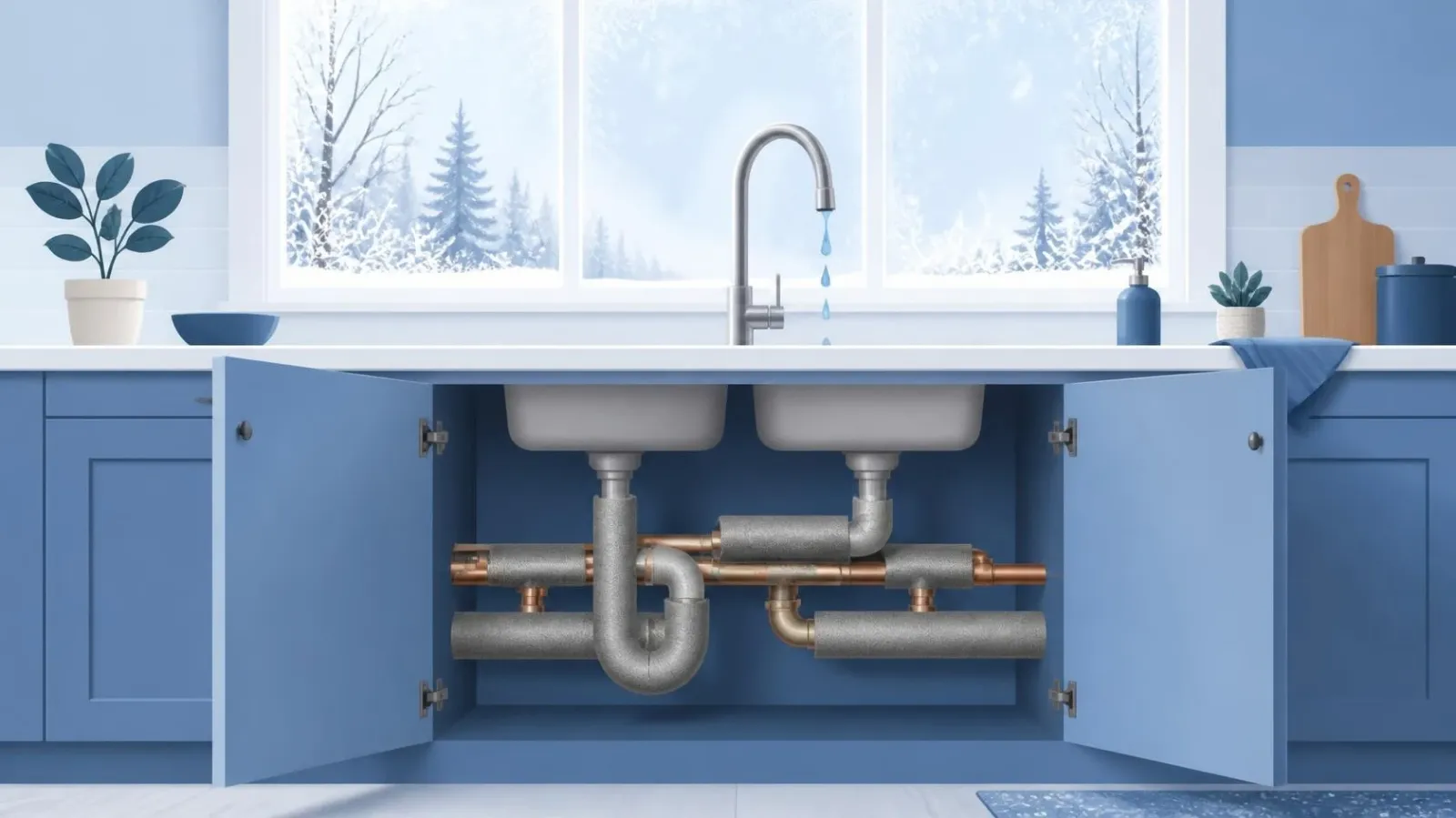
To protect pipes in the future, add foam insulation or heat tape to exposed lines and let a faucet drip during hard freezes. Read how to keep pipes from freezing for the full steps. If you find water where it should not be, see the signs of a hidden leak.
Step 3: Check the thermostat setting
A thermostat set too low is one of the most common causes. A plumbing source says a properly working water heater thermostat should be between 122 and 140 degrees Fahrenheit. Many households pick a lower number to reduce scald risk, so use your manual and keep in mind the needs of your dishwasher.
If you raise the setting, the water should heat again within one to two hours, depending on the fuel type and tank size. If it does not, the thermostat may be faulty and need replacing.
Step 4: Check the power or gas supply
Electric water heater
- Check the breaker for the water heater. If it has tripped, reset it once.
- If it trips again, stop and call a licensed electrician or plumber. Do not keep resetting it.
- Many electric heaters also have a small red reset button on the thermostat behind an access panel. That involves live wiring, so leave it to a professional unless you are trained.
Gas water heater
- Check that the gas valve is open and other gas appliances work.
- Look at the pilot light, if your model has one. A pilot that keeps going out often points to a bad thermocouple, which a technician should replace. See pilot light problems.
- If you smell gas, leave the home. Do not switch lights or appliances on or off. Call your gas company's emergency line or 911 from outside.
Step 5: Think about sediment and worn parts
If the water is lukewarm or runs out quickly, minerals may have settled at the bottom of the tank. Sediment makes the heater less efficient and can make popping or rumbling noises. Our guide to water heater noises explains what each sound means.
On an electric heater, a worn heating element can leave you with lukewarm water. A plumber can test the elements and replace them. Flushing the tank is a common maintenance step, but follow your manual and shut off power or gas first.
Step 6: Check the tap if only one is wrong
If cold water runs normally but hot water is weak or missing at one fixture, the faucet itself may be the cause. A worn cartridge or a valve clogged with mineral deposits can block the hot side. Replacing a cartridge is a small repair, but you must shut off the water to the fixture first.
When to call a plumber
Call a licensed plumber or electrician if:
- You smell gas or see a leak around the heater.
- You cannot reach a frozen pipe or you see one that has split.
- A breaker keeps tripping.
- The thermostat or element does not respond after you test it.
- The heater is old and failing in several ways.
- You are not comfortable working near gas or live wiring.
Tell them what you tested, whether the cold weather started it, and the age of the heater.
Repair or replace?
| Situation | Often better |
|---|---|
| Thermostat, element or thermocouple on a heater in decent shape | Repair |
| Heater is very old and leaking | Replace |
| Frequent sediment problems and noise | Flush and have it inspected, then decide |
| Tank leaking from the bottom | Replace |
Ask for a written estimate and compare it with the price of a new heater.
What not to do
- Do not thaw pipes with a flame or torch.
- Do not turn the thermostat to the maximum to get hotter water faster. It raises the scald risk.
- Do not keep resetting a breaker that trips again.
- Do not ignore a gas smell.
- Do not drain a tank without turning off power or gas.
Which fix fits your situation?
- No hot water at any tap, cold is fine: check the breaker, pilot light and gas, then the thermostat.
- Trickle or nothing at several taps in freezing weather: suspect a frozen pipe.
- Lukewarm water: raise the thermostat a little, then think about sediment or a failed element.
- Only one tap: the faucet cartridge.
- Gas smell: leave and call.
Bottom line
Cold weather can freeze a pipe, strain an old water heater, or reveal a thermostat, element or pilot problem that was already waiting to fail. Work from the simple checks to the parts, never use a flame on pipes, and call a professional for gas, leaks, repeated breaker trips or a pipe you cannot reach.
Sources
This guide was checked against these official and manufacturer sources.
Frequently asked questions
Why do I have no hot water when it is cold outside?
Common causes are a frozen supply pipe, a thermostat set too low, a tripped breaker or a pilot light that went out, and a heater that is working harder because the incoming water is colder. Winter often exposes problems that were already there, such as sediment or worn heating elements.
Can a water heater work properly and still run out of hot water in winter?
Yes. Cold incoming water makes the heater bridge a wider temperature gap, so a tank can run out sooner or take longer to recover. This is more noticeable if the unit is old or full of sediment.
What temperature should my water heater be set to?
One plumbing source says between 122 and 140 degrees Fahrenheit. Many households choose a lower setting to reduce scald risk, so check your manual and the needs of your dishwasher. If water does not heat after you raise it, the thermostat may be faulty.
What should I do if I think a pipe is frozen?
Do not use an open flame. Turn off the water supply to that line, open the tap, and call a plumber if you cannot safely reach or thaw it.
Is it only the hot tap that is not working?
If cold water runs but hot does not at one tap, the faucet cartridge or valve may be worn or blocked. Test other hot taps. If they all fail, the problem is the heater or the supply.

Written by
Agha Ali Abbas
Agha Ali Abbas is the founder and editor of TimeToNote. He has worked in SEO and content writing for 18 years, and he checks every guide against manufacturer documentation and official sources before it goes live.
Related guides
Home Problems
How to Keep Pipes From Freezing (and What to Do If They Do)
Stop frozen pipes before they burst. Learn which pipes freeze first, when to drip faucets, how to winterize outdoor spigots, and how to thaw a frozen pipe safely.
7 min read
Home Problems
Why Is My Water Heater Making Noise? What Each Sound Means
Water heater popping, rumbling, hissing, or ticking? Learn what each noise means, how to flush out sediment step by step, and which sounds mean you should call a plumber.
8 min read
Home Problems
Why Does My Pilot Light Keep Going Out? Causes and Fixes
A pilot light that keeps going out is most often a dirty or worn thermocouple. Learn the causes, how to relight it safely, and when to call a gas pro.
8 min read
More guides you may need
Home Problems
LG Washing Machine Error Codes: What They Mean and How to Fix Them
Seeing OE, IE, UE, dE, LE, or another code on your LG washer? Learn what each LG washing machine error code means and the simple fixes to try before calling for repair.
7 min read
Home Problems
How to Paint a Room Like a Pro (Step by Step for Beginners)
Paint a room like a pro, even as a beginner. Learn what supplies you need, how much paint to buy, how to prep walls, cut in, roll without streaks, and clean up.
7 min read