Garage Fridge or Freezer Not Working in Winter? Why and How to Fix It
Garage fridge or freezer warm or not cooling in winter? Cold air can switch the compressor off. Learn why it happens, how to protect your food and what fixes work.
On this page
A garage fridge-freezer usually stops cooling the freezer in winter because the cold air chills the fridge section, where the thermostat is, so the compressor rarely runs. The freezer then warms up. Move the unit to a heated space, use a garage-ready model, or ask the manufacturer about a cold-weather kit.
This surprises many people. The appliance is not broken. It is working outside the temperatures it was built for. The fix depends on whether you have a fridge-freezer or a freezer on its own, and how cold your garage gets.
Why does a garage fridge or freezer stop working in winter?
Refrigerators and freezers are designed for rooms that are about as warm as a kitchen. When they sit in a garage that drops well below that, things change:
- The thermostat is fooled. In a typical fridge-freezer, one thermostat in the fridge compartment controls the compressor. When the garage is cold, the fridge section stays cold on its own, so the thermostat tells the compressor there is no need to run. The freezer, which needs the compressor, slowly warms up.
- The compressor and oil struggle in the cold. Very low temperatures can thicken the oil and make starting harder.
- Defrost and other systems can misbehave. Frost, ice and condensation can cause problems in frost-free models.
- Door seals and heaters change behavior. Some models rely on small heaters that are not designed for extreme conditions.
The result is the opposite of the common complaint. Here the fridge stays cold and the freezer gets warm. If you have the reverse, see a fridge that is warm while the freezer is cold.
Which type of unit do you have?
| Type | Cold garage behavior |
|---|---|
| Fridge-freezer (two compartments, one thermostat) | Most likely to fail. Freezer warms while fridge stays cold |
| Freezer only (chest or upright) | Often keeps working, because its thermostat is in the freezer |
| Garage-ready model | Built for wider temperature ranges. Check the label |
| Frost-free upright | More sensitive than a manual-defrost chest freezer |
| Very old fridge | Often tolerant of cold, but less efficient and less reliable |
How to tell this is the problem
- The freezer is warm or soft but the fridge side is cold.
- The compressor rarely runs, or does not run for hours.
- It worked fine in summer and fails when the garage gets cold.
- The garage is unheated and below freezing at night.
- Food at the back or in the freezer is thawing, but the unit has power.
How to fix it
- Check the food first. Open the door only briefly. Move food to a working freezer or a cooler with ice, and use a thermometer to check the temperature.
- Check the label and manual. Look for the allowed ambient temperature range. If your garage drops below it, the unit is not built for it.
- Move it to a heated space. A basement, a utility room or a heated garage is the most reliable fix.
- Ask about a winter kit. Some manufacturers sell a cold-weather kit or have a winter setting. Look up your model number or call customer service.
- Keep the freezer full. A full freezer holds its temperature better. Fill empty space with jugs of water, frozen solid.
- Insulate the area, not the appliance. Keep the unit away from the garage door and an uninsulated outer wall. Do not wrap the unit itself, because it needs airflow to release heat.
- Heat the garage lightly. A small, safe garage heater can keep the temperature above the unit's minimum. Heaters in a garage need care, so follow the heater's instructions and keep them clear of fuel and chemicals.
- Consider a new unit. If you must keep an appliance in the garage, buy a model labeled garage-ready, or a stand-alone freezer.
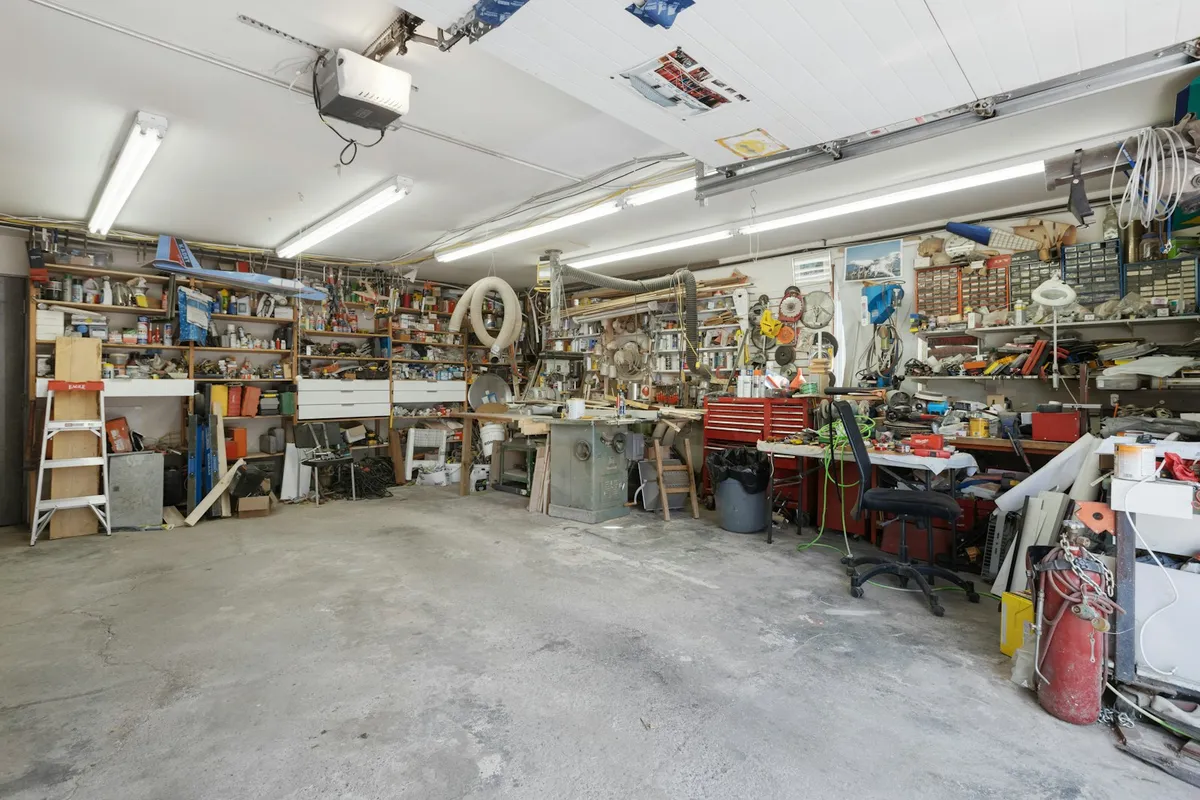
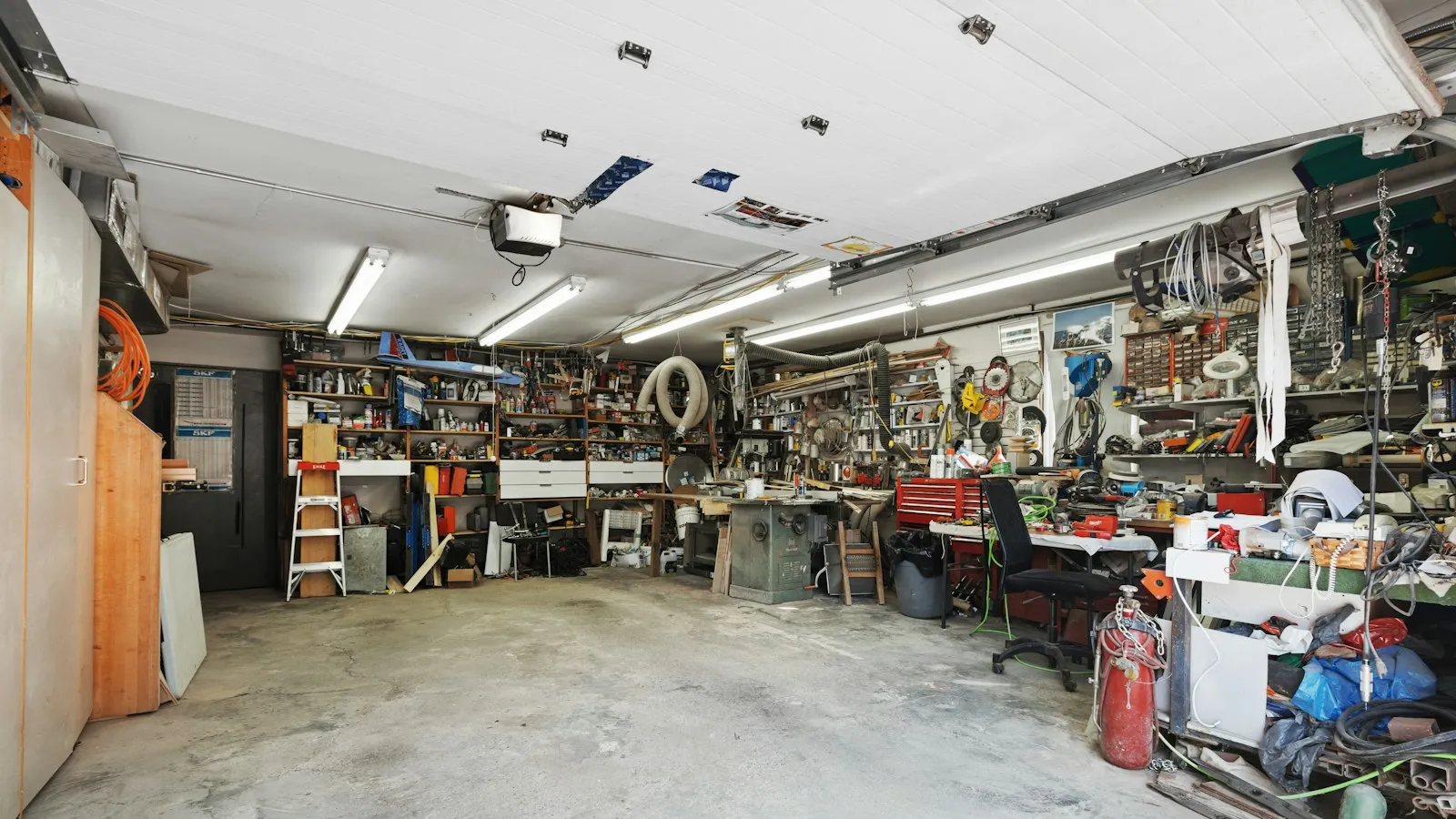
What about the summer?
A hot garage causes the opposite problem. The compressor runs nonstop, the unit uses more electricity and it may fail early. Garages can reach very high temperatures in summer, so the same advice applies: check the allowed range, and consider a garage-ready model.
Is the food safe?
USDA guidance gives simple rules. Keep the refrigerator at or below 40°F and the freezer at 0°F. If a freezer warms up:
- Food that still has ice crystals, or that is at 40°F or below, can usually be refrozen or cooked, though quality may suffer.
- Perishable food that has been above 40°F for more than two hours should be thrown away.
- If you do not know how long it was warm, do not take a chance with meat, poultry, fish, dairy or leftovers.
A cheap appliance thermometer and a plug-in temperature alarm are a good idea in a garage unit, so you find out before the food is lost. If the power also goes out, keeping food safe when the power fails covers keeping food safe.
Other garage appliance problems
Garage outlets are often protected by a GFCI, which can trip and cut power to the freezer. If your unit is off and the outlet is dead, see a freezer that keeps tripping the GFCI. Frost or ice inside a frost-free unit is a different issue, covered in why ice forms in the bottom of a fridge.
Is it worth repairing?
If the unit is simply in the wrong place, repair is not the answer. Moving it costs nothing. If it is old, noisy or struggling even in a warm room, consider replacement. A garage-ready model costs more up front, but it is made for this use. Compare the cost with the price of spoiled food, and with the cost of a repair if a part has failed.
When to call a professional
Call an appliance technician if:
- The unit does not cool even after you move it to a warm room.
- You hear clicking, buzzing or the compressor will not start.
- You see heavy frost or water leaking around the unit.
- The cord or outlet is hot or damaged.
What not to do
- Do not leave food in a freezer that has been warm for a long time.
- Do not cover a heater around the appliance.
- Do not use an extension cord that is not rated for the load.
- Do not assume a thermostat setting fixes a cold-garage problem.
Bottom line
A fridge-freezer in a cold garage often keeps the fridge cold and lets the freezer warm up, because the thermostat is in the wrong place for the conditions. The most reliable fix is to move the appliance somewhere warmer, or buy a garage-ready model. Until then, protect your food with a thermometer and a plan.
Sources
This guide was checked against these official and manufacturer sources.
Frequently asked questions
Why does my garage freezer stop working when it gets cold?
In a fridge-freezer, the thermostat sits in the fridge section. A cold garage cools that section, so the compressor shuts off and the freezer warms up.
Do chest freezers work in a cold garage?
Often yes. A freezer-only unit is usually more tolerant because its thermostat is in the freezer, but very low temperatures can still affect the compressor. Check the ambient temperature range in the manual.
What temperature is too cold for a garage refrigerator?
It depends on the model. Many standard units are rated for room temperatures only, and garage-ready models are built for wider ranges. Check the label or manual for the allowed ambient temperature.
Is food safe if the garage freezer warmed up?
Food that still has ice crystals or is at 40 F or below can usually be refrozen or cooked. Perishable food held above 40 F for more than two hours should be thrown out.

Written by
Agha Ali Abbas
Agha Ali Abbas is the founder and editor of TimeToNote. He has worked in SEO and content writing for 18 years, and he checks every guide against manufacturer documentation and official sources before it goes live.
Related guides
Home Problems
Garage Freezer Keeps Tripping the GFCI? Causes and Fixes
Chest or upright freezer tripping the GFCI in your garage? Learn why defrost heaters and door seals leak, what to test and how to protect your frozen food.
5 min read
Home Problems
Fridge Not Cooling but Freezer Is Cold? 8 Causes and How to Fix It
Freezer is cold but the fridge is warm? Learn the 8 most common causes, from blocked vents to frost on the coils, and simple fixes you can try today.
8 min read
Home Problems
What to Do in a Power Outage: Before, During and After
Power out? Learn what to do right away, how long food stays safe in the fridge and freezer, how to use a generator safely, and how to prepare for the next outage.
7 min read
More guides you may need
Home Problems
Refrigerator Water Dispenser Not Working but Ice Maker Works? Fixes
Fridge water dispenser not working while the ice maker still works? Check the filter, control lock and a frozen door line first. Here is the full fix list.
5 min read
Home Problems
Ring Doorbell Not Ringing Inside the House? 8 Fixes
Ring doorbell works on your phone but makes no sound inside? Check the chime type, the In-Home Chime setting, the wiring and your doorbell model.
9 min read