Fridge Not Cooling but Freezer Is Cold? 8 Causes and How to Fix It
Freezer is cold but the fridge is warm? Learn the 8 most common causes, from blocked vents to frost on the coils, and simple fixes you can try today.
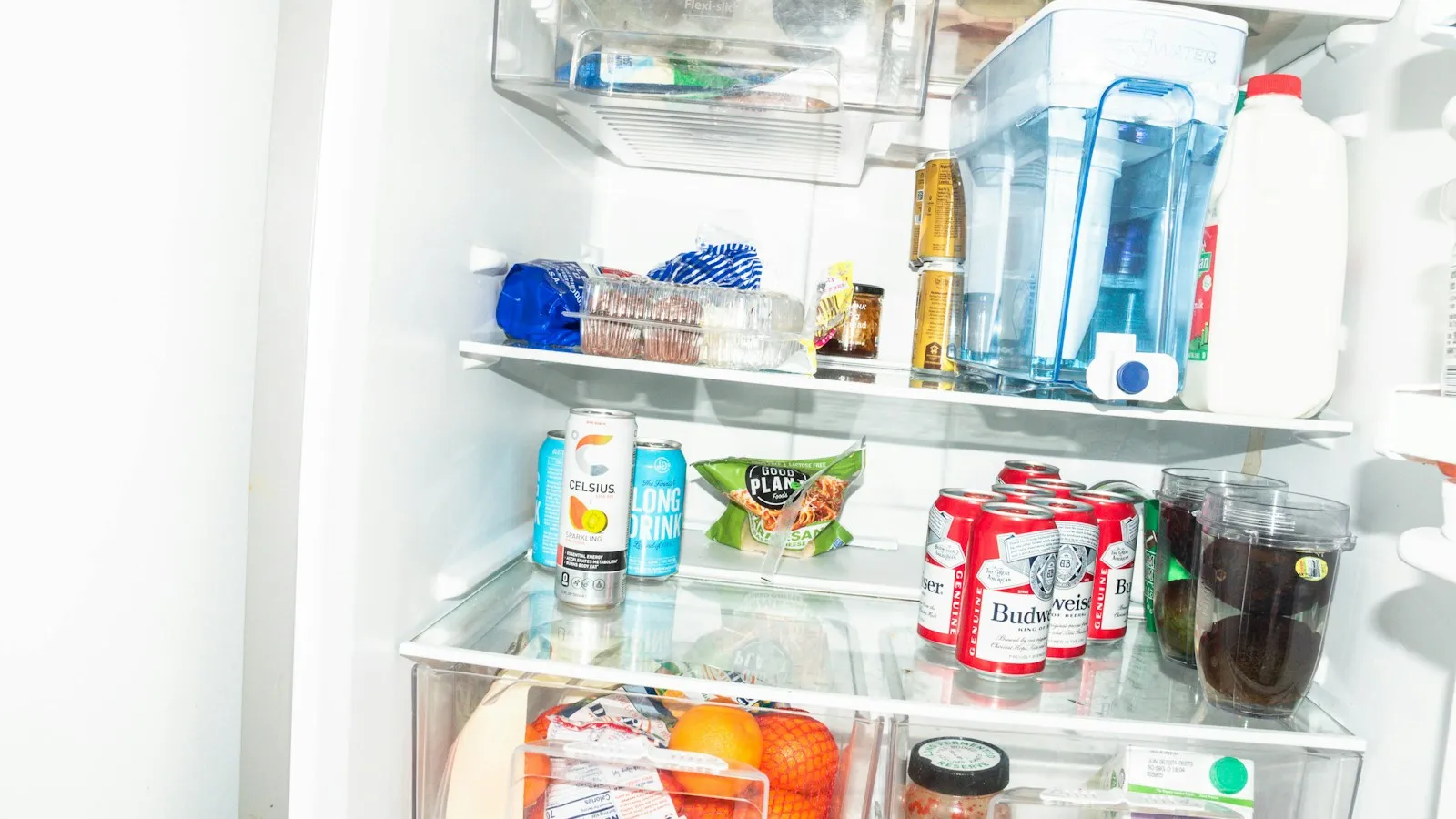
On this page
When your freezer is cold but your fridge is warm, the problem is almost always airflow. In most refrigerators, the cold air is made in the freezer and then blown into the fridge through small vents. If the vents are blocked, the fan that moves the air stops working, or frost builds up on the cooling coils, the freezer stays cold but the fridge warms up.
The good news is that some of these causes are easy to fix yourself, like moving food away from the vents or defrosting the fridge.
This guide explains how your fridge moves cold air, the 8 most common causes, and what to do about each one. It also covers how to keep your food safe while you fix the problem.
First: keep your food safe
A warm fridge can spoil food quickly.
- Check the temperature with a fridge thermometer. The fridge should be 40°F or colder.
- Move perishable food like meat, milk, and leftovers to a cooler with ice if the fridge is above 40°F.
- Follow the 2-hour rule. The USDA says to throw out perishable food that has been above 40°F for more than 2 hours.
When in doubt, throw it out. Food can make you sick even if it looks and smells fine.
How your fridge moves cold air
Most modern fridges with a freezer on top, on the bottom, or side by side work like this:
- The evaporator coils (the cold part) are hidden behind a panel in the freezer.
- An evaporator fan blows air over the coils to make it cold.
- Some of that cold air goes through a vent and damper into the fridge.
- A defrost system melts frost off the coils a few times a day, so air can keep flowing.
If any part of this system fails, the freezer is closest to the cold coils, so it stays cold. The fridge, which depends on air being pushed to it, warms up first.
8 reasons your fridge is not cooling but the freezer is
1. The vents are blocked
This is the easiest problem to fix. If food is pushed against the vents in the freezer or fridge, cold air cannot get through.
Fix:
- Look for the vents, usually on the back wall of the fridge and between the freezer and fridge.
- Move food a few inches away from them.
- Do not overpack the fridge or freezer. Air needs room to move.
2. The temperature setting is wrong
Someone may have changed the setting by accident, especially if the controls are inside the fridge where they can get bumped.
Fix: Set the fridge to about 37°F and the freezer to 0°F. On dial controls, a middle setting is a good place to start. Wait 24 hours and check with a thermometer.
3. Frost is blocking the evaporator coils
Fridges have an automatic defrost system that melts frost off the coils. If it fails, frost keeps building up. It blocks the airflow to the fridge, even though the freezer may still be cold.
Signs:
- Frost or ice on the back wall of the freezer
- The fridge is getting warmer over several days
- The freezer may feel less cold than normal
Fix: Defrost it manually.
- Move your food to a cooler or another fridge.
- Unplug the fridge.
- Leave both doors open.
- Put towels on the floor to catch water.
- Wait 24 to 48 hours so all the hidden frost melts.
- Plug it back in and wait 24 hours for it to cool down.
If the fridge works normally after this, but the problem comes back in a few days or weeks, a part of the defrost system has failed. It may be the defrost heater, defrost thermostat, or defrost timer or control board. A repair technician can test and replace these parts.
4. The evaporator fan is not working
The evaporator fan in the freezer pushes cold air into the fridge. If it stops, the freezer stays cold because it is right next to the coils, but the fridge warms up.
How to check:
- Open the freezer door and listen for a fan running.
- Many fans turn off when the door opens. Press and hold the door switch (a small button or lever near the door frame) to make the fan run.
- If you hear nothing, or you hear squealing, chirping, or clicking, the fan may be failing.
Fix: A worn or broken fan motor needs to be replaced. Some people do this themselves with the right part for their model, but it means unplugging the fridge and removing the panel in the freezer. If you are not comfortable doing that, call a repair technician.
5. The damper is stuck closed
The damper, also called the air door, opens and closes to control how much cold air goes from the freezer into the fridge. If it gets stuck closed or breaks, the fridge will not get enough cold air.
Fix: The damper is usually behind a cover at the top of the fridge or between the freezer and fridge. Frost can freeze it shut, so a manual defrost may help. If it is broken, a technician can replace it.
6. The condenser coils are dirty
The condenser coils release heat from your fridge. They are usually behind a grill at the bottom front or on the back of the fridge. When they get covered in dust and pet hair, the fridge cannot get rid of heat well, and cooling gets weaker. The fridge section often warms up first.
Fix:
- Unplug the fridge.
- Remove the bottom grill, or pull the fridge away from the wall to reach the back.
- Vacuum the coils with a brush attachment, or use a coil cleaning brush.
- Plug it back in.
Clean the coils every 6 to 12 months, or more often if you have pets.
7. The door seals are leaking
If the rubber seal around the fridge door is torn, dirty, or loose, warm air leaks in.
How to test: Close the door on a dollar bill. If you can pull it out easily, the seal is not tight in that spot. Test all the way around the door.
Fix:
- Clean the seal with warm, soapy water. Sticky food can stop it from sealing.
- Make sure the fridge is level so the door closes by itself.
- Replace the seal if it is cracked or torn.
8. The fridge was recently loaded or opened a lot
Adding a lot of warm groceries, leaving the door open, or opening it often on a hot day can make the fridge warm for a while.
Fix: Give it a few hours to catch up. Let hot leftovers cool a little before putting them in, and try not to open the door too often.
Symptoms and fixes at a glance
| What you notice | Most likely cause | Try this first |
|---|---|---|
| Food pushed against the back wall | Blocked vents | Move food away from vents |
| Controls look changed | Wrong setting | Set fridge to 37°F, freezer to 0°F |
| Frost on the freezer back wall | Defrost system problem | Manual defrost for 24 to 48 hours |
| No fan sound in the freezer | Evaporator fan failed | Replace the fan motor |
| Fan runs but fridge stays warm | Damper stuck closed | Defrost; check the damper |
| Fridge runs a lot and feels warm | Dirty condenser coils | Vacuum the coils |
| Dollar bill slips out of the door | Leaky door seal | Clean or replace the seal |
What if the freezer is also getting warm?
If both the fridge and freezer are warm, the problem is likely bigger, like the compressor, start relay, condenser fan, or a refrigerant leak. Check that:
- The fridge has power and the light turns on.
- The condenser coils are clean.
- The condenser fan (near the compressor at the back, bottom) is running.
If those look fine, call a repair technician. Refrigerant and compressor repairs need a professional.
How long does it take a fridge to get cold?
After you fix the problem or plug the fridge back in, give it time. Most fridges need about 12 to 24 hours to reach a safe temperature. Keep the doors closed as much as you can during this time, and do not load it with warm food right away. Check the temperature with a thermometer before you put perishable food back in.
Is it worth repairing or should you replace it?
Here are a few things to think about:
- Age: Many fridges last about 10 to 15 years. An older fridge may not be worth a big repair.
- Cost: A common rule is that if the repair costs more than about half the price of a new fridge, replacing it may make more sense.
- Energy use: Newer ENERGY STAR fridges use less electricity than older models.
- Simple parts: Fans, door seals, and defrost parts are often affordable to fix.
How to keep your fridge cooling well
- Keep vents clear and do not overpack shelves.
- Clean the condenser coils every 6 to 12 months.
- Check the door seals a few times a year.
- Keep a thermometer in the fridge and freezer.
- If the ice maker stops too, see how to fix an ice maker that is not making ice.
- Leave a few inches of space around the fridge for airflow.
- Keep the fridge level so the doors close fully.
A clean kitchen also helps. Old food and spills in the fridge can attract pests like fruit flies. Our guide on stopping fruit flies in the kitchen explains why.
When to call a repair technician
Call a technician if:
- The fridge stays warm after a manual defrost
- The problem keeps coming back
- You hear loud clicking, buzzing, or grinding
- Both the fridge and freezer are warm
- You think the fan, damper, or defrost parts need replacing and you are not comfortable doing it
Have your fridge's model number ready. It is usually on a sticker inside the fridge, on the side wall or under the crisper drawers.
What to do first
When the freezer is cold but the fridge is warm, cold air is not getting from the freezer to the fridge. First, keep your food safe and check the temperature. Then move food away from the vents, check the settings, and clean the condenser coils. If you see frost on the back wall of the freezer, do a manual defrost. If the problem comes back, the evaporator fan, damper, or defrost system likely needs repair.
Sources
This guide was checked against these official and manufacturer sources.
Frequently asked questions
Why is my freezer cold but my fridge warm?
In most fridges, cold air is made in the freezer and blown into the fridge by a fan through small vents. If the vents are blocked, the fan stops working, or frost builds up on the cooling coils, the freezer stays cold but the fridge gets warm.
How long can food stay in a fridge that is not cold?
The USDA says perishable food like meat, milk, eggs, and leftovers should be thrown out if it has been above 40 degrees Fahrenheit for more than 2 hours. Use a fridge thermometer to check the temperature. When in doubt, throw it out.
Will unplugging my fridge fix it?
Unplugging the fridge for 24 to 48 hours with the doors open can melt frost that is blocking airflow. If the fridge cools normally afterward but warms up again in a few days or weeks, the automatic defrost system probably needs repair.
What temperature should my fridge be?
The FDA recommends keeping your fridge at or below 40 degrees Fahrenheit and your freezer at 0 degrees Fahrenheit. Many people set the fridge to about 37 degrees to be safe.

Written by
Agha Ali Abbas
Agha Ali Abbas is the founder and editor of TimeToNote. He has worked in SEO and content writing for 18 years, and he checks every guide against manufacturer documentation and official sources before it goes live.
Related guides

Home Problems
Why Is My Dishwasher Not Draining? 9 Causes and Easy Fixes
Water sitting in the bottom of your dishwasher? Learn why it will not drain and how to fix it yourself, from cleaning the filter to checking the drain hose.
8 min read
Home Problems
Why Is My Microwave Not Heating? Causes, Safe Fixes, and When to Replace It
Microwave running but food stays cold? Learn the common causes, the safe fixes you can try yourself, and when it is time to repair or replace it.
8 min read
Home Problems
Why Is My Ice Maker Not Working? 10 Causes and Easy Fixes
Fridge ice maker not making ice? Check these 10 common causes, from a switched-off ice maker to a frozen fill tube, and fix most of them in minutes.
7 min read
More guides you may need
Home Problems
How to Paint a Room Like a Pro (Step by Step for Beginners)
Paint a room like a pro, even as a beginner. Learn what supplies you need, how much paint to buy, how to prep walls, cut in, roll without streaks, and clean up.
7 min read
Home Problems
Are Hurricane Shutters Worth It? Costs, Types and Impact Windows Compared
Are hurricane shutters worth the money? Compare storm panels, accordion, and roll-down shutters with impact windows, plus 2026 costs and insurance tips.
7 min read