Why Do I Get Static Shocks in Winter? How to Stop Them at Home
Zapped by every doorknob? Dry winter air lets static charge build on your body. Raise indoor humidity to 30% to 50% and use these easy fixes to stop it.

On this page
You get static shocks in winter because cold, heated indoor air is very dry, and dry air does not let static charge leak away. The charge builds on your body as you walk or move, then jumps to a doorknob. Raising indoor humidity to about 30% to 50% is the main fix.
Static shocks are harmless for most people, but they get old fast. The good news is that you can reduce them a lot with a few simple changes at home and in your clothes.
What causes static shocks?
When two materials rub together, such as your socks on carpet or a sweater on your shirt, electrons move from one to the other. That leaves your body with an electric charge. In humid air, water in the air helps the charge drain away. In winter, outdoor air is cold and holds little moisture, and heating dries it further. The charge stays on you until you touch metal or another conductor, and then it jumps as a spark.
How to stop static shocks at home
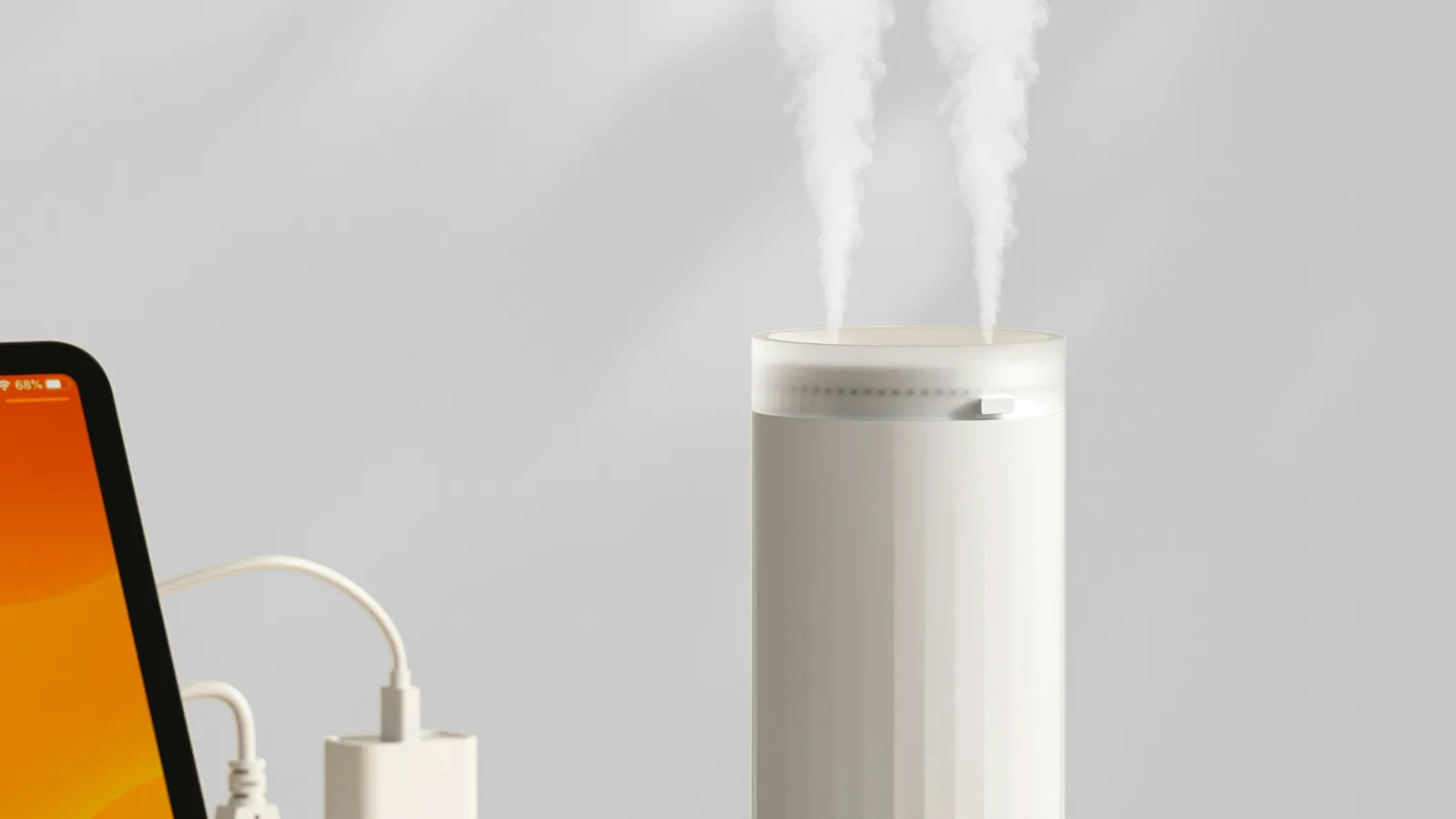
- Raise the humidity. This is the biggest fix. Use a humidifier and aim for roughly 30% to 50%. A small hygrometer (about the price of a lunch) shows the real number, since many humidifiers do not.
- Keep the humidifier clean. Wipe and rinse it on schedule so it does not grow mildew. See cleaning your humidifier properly. If it leaves a powder on furniture, read about humidifier white dust.
- Add moisture without a humidifier. Leave the bathroom door open after a shower, simmer a pot of water on the stove, or air-dry laundry indoors. Do these only when you are home and watching them.
- Don't overdo it. Too much humidity causes condensation and mildew. If windows are wet, back off. See wet windows in winter.
Fixes for clothes, carpet and furniture
- Wear natural fibers. Cotton and silk create less static than polyester or nylon.
- Use dryer sheets or wool dryer balls. They cut cling in clothes.
- Wear leather-soled shoes or shoes that are not rubber-soled when you can. Rubber soles insulate you from the ground.
- Treat carpets and rugs. An anti-static spray or a light mist of water on carpet can help. Test a hidden spot first.
- Wipe upholstery with a damp cloth.
- Moisturize your skin. Dry skin holds charge. A bit of lotion can help.

Quick tricks to avoid the zap
- Touch a metal object, like a key or the metal part of a lamp, before you reach for the doorknob. If you hold the key, the spark jumps to the key instead of your finger.
- Touch walls or wood first to discharge slowly.
- Slide out of your car by holding the metal frame as you stand up, not after you let go.
- Ground yourself on a metal surface before touching a computer or other electronics.
Is static a risk for electronics?
A spark that you barely feel can still be enough to damage sensitive electronic parts. Ground yourself on a metal surface before opening a computer or handling components. Keep humidity in range in rooms with a lot of equipment.
When it is not static
If you feel a tingle or shock from an appliance, a metal faucet or a light switch that is not from walking across a room, it may be an electrical fault, not static. Stop using the item and have an electrician check it.
Bottom line
Static is a dry-air problem. Raise humidity to about 30% to 50%, wear natural fibers, use dryer sheets and touch a key before the doorknob. Keep your humidifier clean and check the level with a hygrometer.
Sources
This guide was checked against these official and manufacturer sources.
Frequently asked questions
Why do I get so many static shocks in winter?
Cold air holds little moisture, and heating makes indoor air even drier. Dry air does not let static charge drain away, so it builds up on your body until you touch something conductive.
What humidity level stops static shocks?
Most sources suggest keeping indoor humidity around 30% to 50%. A small hygrometer shows where you are.
Are static shocks dangerous?
For most people they are only annoying. Static can damage some electronics, though, and it is a hazard near flammable gases, such as when fueling a car.
Does a humidifier really help with static?
Yes. Moisture in the air helps charge dissipate, so less builds up. Keep the humidifier clean and avoid pushing humidity too high.

Written by
Agha Ali Abbas
Agha Ali Abbas is the founder and editor of TimeToNote. He has worked in SEO and content writing for 18 years, and he checks every guide against manufacturer documentation and official sources before it goes live.
Related guides
Home Problems
Humidifier Leaving White Dust? Why It Happens and How to Stop It
White powder on furniture from your humidifier? It is mineral dust from tap water. Switch to distilled water, use a demineralization cartridge or change type.
3 min read

Home Problems
How to Clean a Humidifier: Step-by-Step Guide With Vinegar
Learn how to clean a humidifier with vinegar in 7 steps, how often to do it, what water to use, and how to remove pink slime, white dust, and bad smells.
7 min read

Home Problems
Why Is There Condensation on My Windows? Causes and How to Stop It
Water on the inside of your windows every morning? Learn why windows sweat, what condensation between the panes means, and simple ways to stop it and prevent mold.
7 min read
More guides you may need

Everyday Solutions
How to Keep a Carved Pumpkin From Rotting (Tips That Work)
A carved pumpkin often rots in 3 to 7 days. Learn when to carve, how to clean and seal it, where to keep it, and simple tricks that can make it last weeks.
7 min read

Everyday Solutions
How to Prepare Your Home for a New Pet: A Room-by-Room Checklist
Bringing home a new dog or cat? Use this room-by-room checklist to pet-proof your home, remove hidden dangers, and get the supplies you need before day one.
7 min read