Sump Pump Keeps Tripping the GFCI? Causes, Safe Tests and What to Do
Sump pump tripping the GFCI, especially in rain? Look for moisture in the cord, outlet or motor, and protect the basement while you fix it. Safe tests and when to call.
On this page
A sump pump trips a GFCI because some current is leaking to ground, most often through moisture in the pump's cord, plug, motor or the outlet. Unplug the pump, dry the plug and outlet, and reset the GFCI. If it stays on, the pump or its cord is leaking, and you should replace them or call an electrician. Do not bypass the GFCI, and keep water out of the basement while you work on it.
A sump pump that stops is a flooding risk, and a GFCI that trips is exactly how it stops. It often happens in the worst weather, with a wet floor and a pit that is filling. This guide gives you a safe order of checks and tells you what to do about the basement while you fix it.
The causes below come from electricians and homeowners in electrical forum threads. They are anecdotes, not rules, and they disagree in places, so where wiring code matters, ask a licensed electrician about your own home.
Safety first
- Do not touch the pump, cord or outlet while standing in water.
- If the floor is wet, shut off power at the breaker before you go near the pit.
- Never use a damaged or spliced cord.
- Dry your hands before you plug or unplug anything.
- If you are not comfortable, call a licensed electrician. Water and electricity are a bad mix.
What the pattern tells you
| When it trips | Likely cause |
|---|---|
| Trips the moment you plug the pump in | Ground fault in the pump or cord, or a failed GFCI |
| Trips only in rain | Water on the cord, plug or outlet, or damp conditions |
| Trips when the pump starts | Leakage in the motor, or a weak GFCI |
| Trips after the pump has run a while | Heat and moisture in an aging motor |
| Trips with nothing plugged in | The GFCI or the wiring |
Why a GFCI and a sump pump clash
A GFCI compares the current going out and coming back. If a small amount leaks to ground, it cuts power fast. Sump pumps live in a damp pit and work hard, so any small leak is magnified.
Electricians in the threads give a handful of explanations:
- Moisture is the usual suspect. One electrician said pumps cannot keep up with the load and the result is either submerged outlets or enough moisture to trip the device.
- A failing pump can drift toward the trip threshold. One poster explained that the leakage to ground can get close to the GFCI's limit, and then small changes in temperature push it over.
- A bad cord or splice. In one case a spliced cord let water into the motor and gave a dead short to ground.
- Splash on the cord or receptacle. One poster found that rain-related trips came from water splashing onto the cord or receptacle, and suggested unplugging the pump during rain to isolate the cause.
Step 1: Protect the basement now
If the pump is out of action, plan for water.
- Check the forecast. If heavy rain is coming, you have limited time.
- Move valuables off the floor.
- Keep a wet-dry vacuum or bucket ready to remove water from the pit.
- Check whether water is entering through a window well or a leak. See the signs of hidden water leaks.
- Consider a battery backup pump and a water alarm. A backup runs when the main pump or the power fails, and an alarm warns you before the water rises. This is a general suggestion, not from the forum threads.
If the power goes out as well, see a basement-friendly outage plan.
Step 2: Isolate pump from outlet
This test tells you which part is leaking. Only do it if the floor and your hands are dry and you can reach the outlet safely.
- Unplug the pump.
- Dry the plug, the cord and the outlet face with a cloth.
- Press RESET on the GFCI.
- If it will not reset with nothing plugged in, the GFCI or the wiring is the problem. An electrician should replace or check it.
- If it resets and stays on, plug the pump back in.
- If it trips again, the pump or its cord is leaking.
Step 3: Check the cord, plug and outlet
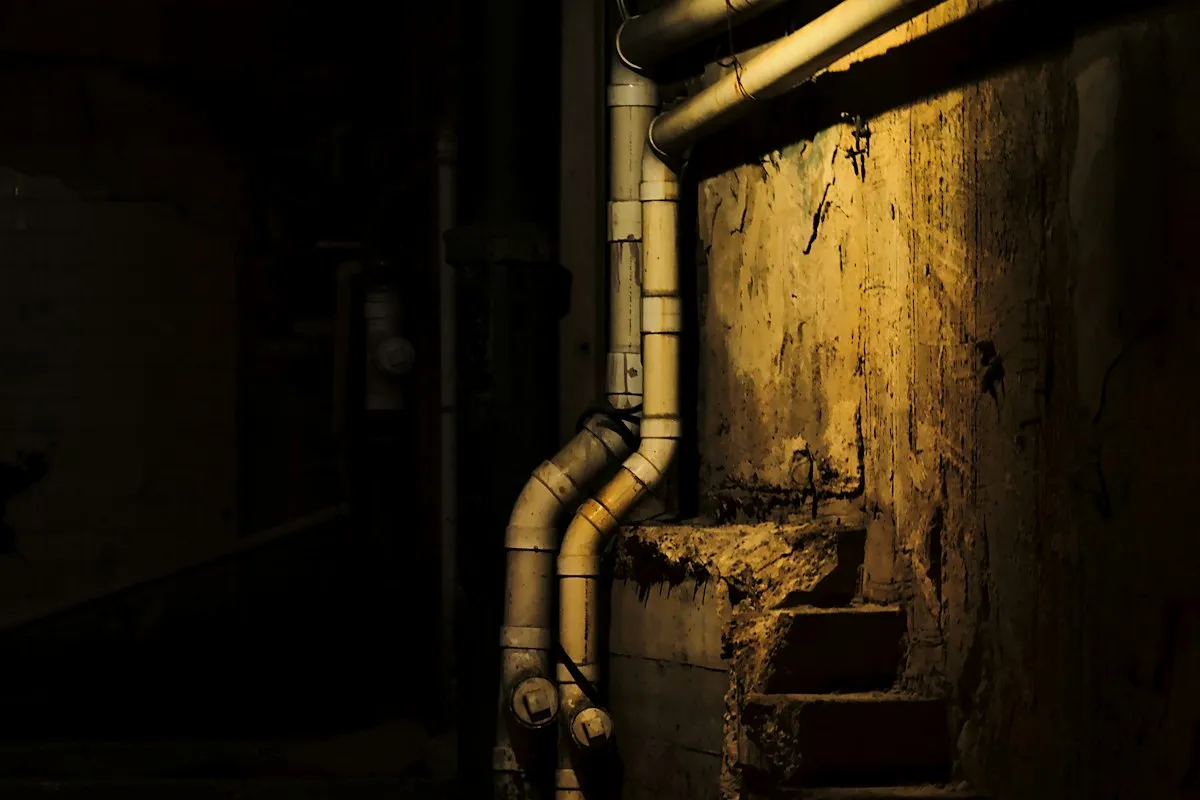
- Look for cuts, nicks, kinks, burn marks or a spliced section in the cord. Replace a damaged cord set or the pump. Do not tape over damage.
- Check the plug for corrosion or moisture.
- Look at the outlet. In a damp basement, a weather-resistant (WR) GFCI and an in-use cover are common suggestions in the forum threads. Sealing the box also helps.
- Keep the cord off the floor where it can get wet, and arrange a drip loop so water does not run along the cord into the outlet.
Step 4: Think about the pump itself
If the pump is the leaker, the motor insulation may be failing. Posters mention testing the pump's insulation resistance with a megohmmeter. That is an electrician's tool and test. If the pump is old, or it trips right after a flood, replacing it is often the practical answer.
Step 5: Check for an overloaded or shared circuit
If other devices share the GFCI circuit, such as a freezer or a dehumidifier, their small leaks can add up. Unplug everything else on the circuit, reset the GFCI and plug the pump in alone. A dedicated outlet for the pump is worth asking an electrician about. Our guide to how combined leakage trips a GFCI on a garage fridge explains how combined leakage can trip a device that no single appliance would trip.
About bypassing the GFCI
Some posters in the threads moved the pump to a non-GFCI outlet. Others argued that a trip usually means a real fault that should be fixed and not bypassed. A bypass removes shock protection in a damp place. Local electrical rules on sump pump outlets also differ and forum posters did not agree on what code requires. Ask a licensed electrician what applies to your home.
When to call an electrician
Call a licensed electrician if:
- The GFCI trips with the pump unplugged.
- The pump cord is damaged or you see signs of water in the motor.
- The outlet is wet, corroded, scorched or warm.
- You do not feel safe working in the basement.
- You want to add a dedicated circuit or a weatherproof outlet.
Tell them when it trips (rain, startup, random), what you tested, and the age of the pump.
What not to do
- Do not keep resetting a GFCI that trips again at once.
- Do not use a long extension cord across a wet floor.
- Do not splice or tape a damaged pump cord.
- Do not stand in water to test or reset anything.
- Do not leave the pit without a pump during heavy rain.
Which fix fits your situation?
- Trips only in rain: protect the cord and outlet from splash, then think about a WR GFCI with an in-use cover.
- Trips the second you plug in: the cord or pump is leaking, so replace it.
- Trips with the pump unplugged: the GFCI or the wiring, so call an electrician.
- Pump is old and trips after flooding: replace the pump.
- Heavy rain is coming: bail the pit, set up a backup and call a professional.
Bottom line
A sump pump trips a GFCI because something is leaking current, most often moisture in the cord, the plug, the outlet or the motor. Isolate the pump from the outlet with a dry test, replace damaged parts and protect the basement in the meantime. Do not bypass the GFCI, and call a licensed electrician when the problem is in the wiring.
Sources
This guide was checked against these official and manufacturer sources.
Frequently asked questions
Why does my sump pump keep tripping the GFCI?
A GFCI trips when current leaks to ground. Electricians in forum threads point first to moisture: water in the motor, a damaged or spliced cord, or rain or splash reaching the cord or outlet. A worn GFCI can also trip.
Why does it only trip when it rains?
Rain splashes and damp air can reach the cord, plug or receptacle, and the pump also works hardest then. One poster traced rain-related trips to water reaching the cord or receptacle. A weather-resistant GFCI with an in-use cover helps.
Can I plug the sump pump into a regular outlet to stop the tripping?
Some forum posters did, but it removes shock protection, and others argued that a trip usually means a real fault that should be fixed rather than bypassed. Ask a licensed electrician what is allowed and safe for your home.
What happens to my basement if the GFCI trips?
The pump stops, and the pit can fill and overflow. That is why a tripping GFCI needs prompt attention, a way to bail water in the meantime, and ideally a water alarm.
Should I replace the pump or the GFCI?
Test which one is at fault first. If the GFCI resets and stays on with the pump unplugged, the pump or its cord is the likely leak. If it trips with nothing plugged in, the GFCI or the wiring is suspect.

Written by
Agha Ali Abbas
Agha Ali Abbas is the founder and editor of TimeToNote. He has worked in SEO and content writing for 18 years, and he checks every guide against manufacturer documentation and official sources before it goes live.
Related guides
Home Problems
Fridge Keeps Tripping the GFCI Outlet? Causes and What to Do
Refrigerator keeps tripping the GFCI in the garage or kitchen? Learn what causes it, how to find the trigger, and when the fridge or the outlet is the problem.
8 min read

Home Problems
Hidden Water Leaks: 9 Warning Signs and How to Find Them
A hidden water leak can quietly damage your home and raise your bill. Learn 9 warning signs, a simple water meter test, how to check toilets, and when to call a plumber.
7 min read

Home Problems
What to Do in a Power Outage: Before, During and After
Power out? Learn what to do right away, how long food stays safe in the fridge and freezer, how to use a generator safely, and how to prepare for the next outage.
7 min read
More guides you may need

Home Problems
Why Is My Dehumidifier Running but Not Collecting Water? 9 Fixes
Dehumidifier running but the bucket stays empty? Check the room humidity, temperature, frozen coils, filter and sensor, then test the compressor. Step by step.
9 min read
Home Problems
Why Is My Dishwasher Leaving White Residue on Dishes? 8 Fixes
Dishwasher leaving a white film or residue on dishes? Learn if it is hard water or etching, how to test it with vinegar, and 8 fixes that work.
8 min read