Air Fryer Keeps Tripping the Breaker? Causes and Safe Fixes
Air fryer tripping the breaker or GFCI? Check the circuit load, outlet, cord and the fryer itself. Here is how to find the cause without guessing.
On this page
An air fryer usually trips a breaker because it shares a circuit with other appliances and the total load passes the limit. Unplug everything else on that circuit, plug the air fryer in alone, and test it on a different circuit. If it still trips alone, the air fryer, its cord or the outlet is at fault, and you should stop using it.
You press start, the fan spins for a second, and the kitchen goes quiet. The breaker clicked off, or the GFCI outlet did. If it happens again, it is more than an annoyance. A tripping breaker is a safety device doing its job.
This guide helps you work out whether the trouble is the circuit, the outlet or the air fryer, using steps you can do without opening a panel or the appliance.
Breaker or GFCI: which one tripped?
| What tripped | What it means |
|---|---|
| Breaker in the panel | The circuit carried too much current, or there was a short |
| GFCI outlet (TEST and RESET buttons) | Some current leaked to ground. Often moisture, grease or a damaged cord |
| A GFCI breaker | Either of the above |
Both are safety devices. Neither should be removed or bypassed. If a breaker keeps tripping with other appliances, our guide on breakers that trip again and again explains the panel side in more detail.
Why air fryers trip circuits
An air fryer is a small heater with a strong fan. Most are rated between about 1,200 and 1,800 watts.
- Watts divided by volts gives amps. A 1,500-watt air fryer on a 120-volt outlet draws about 12.5 amps, as the sources for this guide also note.
- A 15-amp circuit can carry that, but not with much else. Add a microwave or a toaster oven and the breaker trips.
- Startup draw is higher than running draw. The element and fan can pull more for a moment.
- Kitchen counter outlets are often on circuits with other appliances, and older homes may have fewer circuits.
That is why the problem often appears when you cook a meal and run two things at once.

Step 1: Find the load on the circuit
Unplug everything that shares the outlet or the wall, such as the coffee maker, toaster, microwave, kettle and the fridge if it is on the same circuit. Plug the air fryer in alone and run it for a few minutes.
- It works: the circuit was overloaded. Run the air fryer when other big appliances are off, or ask an electrician about another circuit.
- It trips even alone: go to Step 2.
Step 2: Try a different outlet on a different circuit
Move the air fryer to an outlet on another part of the house, such as a different kitchen wall or the dining room. If you are not sure which outlets share a breaker, test one far from the first.
- It works there: the first outlet or circuit has a problem. Stop using it and have an electrician check it.
- It trips there too: the air fryer is the likely cause. One guide says that if it still trips another high-capacity circuit, the problem is the appliance itself.
Step 3: Inspect the cord and plug
Unplug the air fryer and look closely:
- A damaged, cut or kinked cord.
- Brown or black marks on the plug or outlet, or a plug that is loose or very warm after use.
- A cord crushed by the basket or the cabinet door.
A worn cord or plug can leak current or short out. Do not use a damaged cord. Replace the unit, or get the cord replaced by a qualified repair person.
Step 4: Check for moisture, grease and food
Anything wet can leak current and trip a GFCI.
- Unplug the air fryer and let it cool.
- Remove the basket and pan and wash them. Dry them fully.
- Look at the bottom of the main unit around the heating element and fan. Wipe away grease and crumbs with a barely damp cloth.
- Let everything dry for several hours before you plug it in.
Do not pour water into the unit or submerge the body. If liquid got into the base, it may need replacing.
Step 5: Look at the outlet itself
Signs that the outlet is the problem:
- A GFCI outlet that trips with other appliances too.
- A loose fit, so plugs wobble.
- Heat or a burning smell at the outlet.
- A breaker that trips whenever anything heavy is plugged in.
One source notes that if the air fryer keeps blowing fuses and tripping breakers, the wall outlet may be in bad shape. An electrician can replace it. If the outlet is scorched or hot, stop using it and turn off its breaker.
Step 6: Think about the air fryer's age and parts
If it trips alone, on a good circuit, with a good cord, then something inside has failed. Typical culprits are:
- A worn heating element.
- A failing fan motor.
- A damaged control board.
- A wire that has rubbed through.
Repairing small appliances rarely makes sense. Check the warranty and the receipt first, since many air fryers have a one-year warranty. If it is out of warranty, replacing the unit is usually safer and cheaper than repairing it.
Step 7: Consider a dedicated circuit
If your kitchen simply does not have enough capacity, an electrician can add a circuit or move outlets to balance the load. This is worth asking about if the breaker also trips with a toaster oven, a kettle, or a microwave.
What not to do
- Do not keep resetting and hoping. Repeated trips are a sign of a real problem.
- Do not use an extension cord or power strip for high-wattage appliances unless it is rated for it.
- Do not tape or hold a breaker on. Do not swap in a larger breaker. A bigger breaker lets the wiring overheat.
- Do not open the air fryer while it is plugged in.
- Do not use a unit with a scorched plug or cord.
If you smell burning, see smoke or find melted plastic, unplug it and stop using it. Our guide on why an oven smokes covers what to do when other kitchen appliances smoke.
When to call an electrician
Call a licensed electrician if:
- The breaker trips with several different appliances.
- The outlet is warm, scorched or buzzes.
- Lights flicker when appliances turn on.
- You have an older home with few circuits.
- You are not sure which outlets share a breaker.
Which fix fits your situation?
- It trips when the microwave or toaster is on: run them separately, or add a circuit.
- It trips alone in one outlet but not another: replace or repair that outlet.
- It trips alone everywhere: check the cord, dry it out, then replace the air fryer.
- A GFCI trips after washing it: it was still wet. Dry it for longer.
- The outlet is hot: stop and call an electrician.
Bottom line
Start with the simplest question: is the air fryer sharing a circuit? Run it alone, then on another circuit. If it only trips with other things on, you have a load problem. If it trips alone everywhere, the air fryer, its cord or a wet base is at fault, and replacement is usually the safe answer. Never defeat the breaker or GFCI to make the tripping stop.
Sources
This guide was checked against these official and manufacturer sources.
Frequently asked questions
Why does my air fryer trip the breaker?
Most often the circuit is overloaded. An air fryer draws a lot of power, and if other appliances share the circuit, the total passes the breaker's limit. If it trips even alone on a different circuit, the air fryer itself may have a fault.
How many amps does an air fryer use?
Divide watts by volts. A 1,500-watt air fryer on a 120-volt outlet draws about 12.5 amps. Check the label on the bottom or back for the watts of your model.
Is it the breaker or the GFCI that trips?
They point to different problems. A breaker trips from overload or a short. A GFCI trips from a small leak of current to ground, which can come from moisture, grease or food in the base or a damaged cord.
Can I use an extension cord or power strip with an air fryer?
Avoid it. High-wattage heating appliances can overheat thin cords and power strips. Plug the air fryer straight into a wall outlet.
Should I replace the air fryer?
If it trips on its own, on a circuit with nothing else running and a good outlet, the unit is likely faulty, and replacing it is usually safer and cheaper than repairing it.

Written by
Agha Ali Abbas
Agha Ali Abbas is the founder and editor of TimeToNote. He has worked in SEO and content writing for 18 years, and he checks every guide against manufacturer documentation and official sources before it goes live.
Related guides
Home Problems
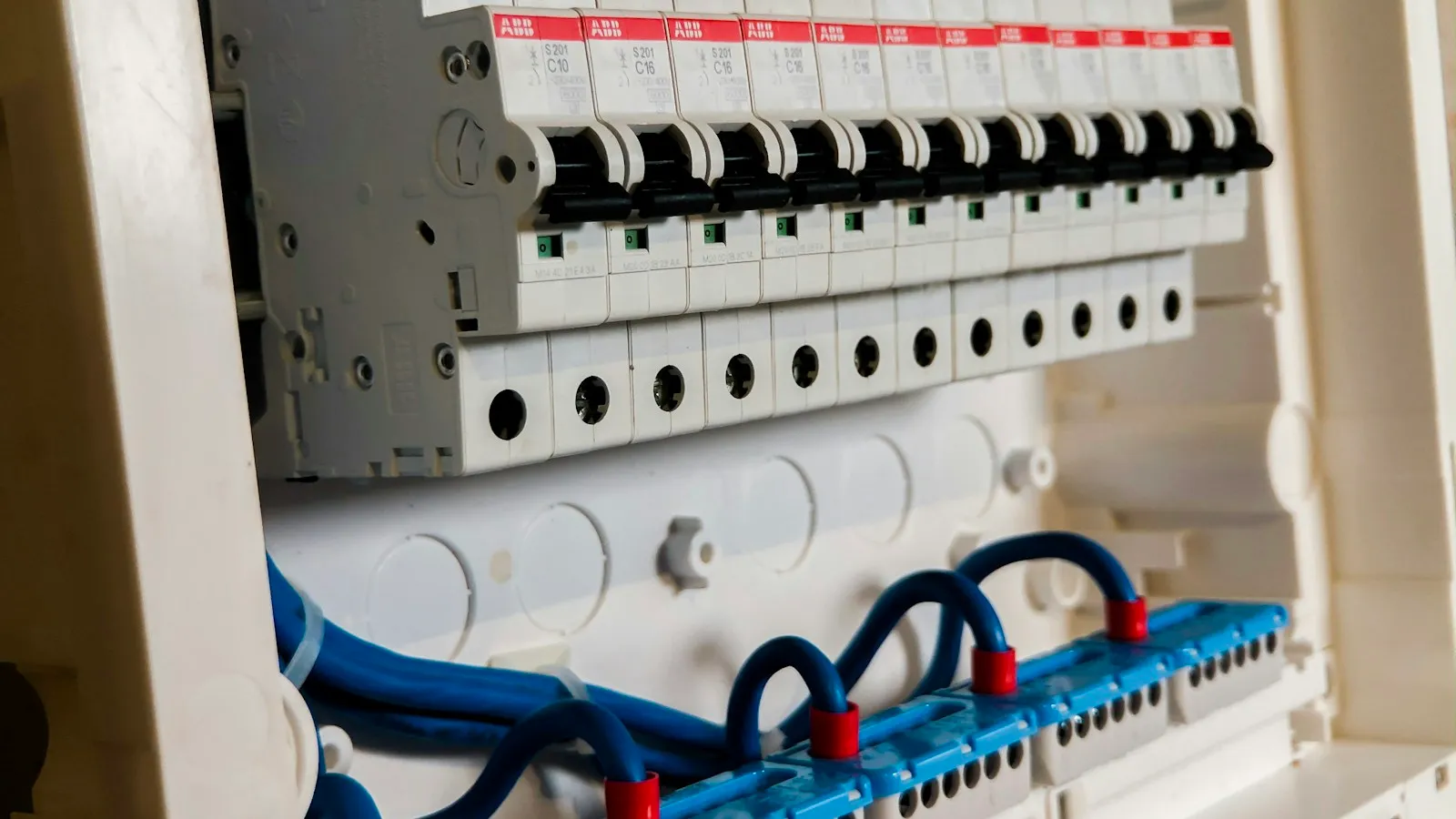
Why Does My Circuit Breaker Keep Tripping? 7 Causes and Safe Fixes
Why does your breaker keep tripping? Learn the 7 common causes, simple safe checks, and when to call an electrician. Easy steps for any home.
11 min read
Home Problems
Why Is My Oven Smoking? 8 Causes and What to Do Right Now
Oven smoking when you preheat or cook? Find out if it is spilled grease, a new oven burn-off, or something unsafe, and what to do right now to fix it.
7 min read
Home Problems
Garbage Disposal Humming but Not Working? How to Fix It Safely
Garbage disposal hums but will not spin? It is usually jammed. Learn how to free it safely with an Allen wrench, reset it, and keep it from jamming again.
7 min read
More guides you may need

Home Problems
Dryer Keeps Blowing the Thermal Fuse? Why It Happens and How to Fix It
Dryer thermal fuse blows again and again? The fuse is a symptom of overheating. Check the vent first, then the thermostats, element and control board.
7 min read
Home Problems
Fridge Keeps Tripping the GFCI Outlet? Causes and What to Do
Refrigerator keeps tripping the GFCI in the garage or kitchen? Learn what causes it, how to find the trigger, and when the fridge or the outlet is the problem.
8 min read