Garbage Disposal Keeps Tripping the Breaker? Causes and Safe Fixes
Disposal trips the breaker or GFCI when you turn it on? Check for a jam, overheating, a worn motor, wiring and arc-fault conflicts. Safe steps.
On this page
A garbage disposal trips the breaker when the motor strains against a jam, overheats, wears out, or when the wiring or the breaker has a fault. Turn the power off, clear the jam, wait for the motor to cool, and press the reset button on the bottom. If it trips again at once, or trips with the disposal off, the problem is wiring or the breaker, and you should call a licensed electrician.
You switch on the disposal and the kitchen goes quiet, because the breaker flipped. Or it trips a few minutes later, or only when you run water and the dishwasher together. It is annoying, and it is also a hint that something is overloaded.
This guide goes from the safe, simple checks (a jam, overheating) to the cases where the wiring or the breaker is at fault. It uses a repair-parts guide, a repair Q&A and electrician forum threads. Models differ, so check your manual.
Safety first
- Turn off the breaker before you do anything to the disposal. The wall switch is not enough.
- Never put your hand into the disposal, even when it is off. Use tongs or pliers to remove objects.
- If you smell burning, see scorch marks or hear buzzing, stop using it and call a professional.
What the pattern tells you
| When it trips | Likely cause |
|---|---|
| Trips as soon as you switch it on, with a humming sound | A jam or a stuck flywheel |
| Trips after running for a short while | Motor overheating from overload |
| Trips whenever the disposal runs, with no jam | Worn motor or a wiring fault |
| Trips with the disposal off or nothing running | Wiring, the breaker or a GFCI/arc-fault conflict |
| Trips only with the dishwasher or other things running | Shared circuit overload |
Cause 1: A jam
Repair sources list jams first. Potato skins, corn husks and tough artichoke leaves can wedge against the grinding plate. The motor then strains against the blockage and can trip the breaker.
- Turn off the breaker for the disposal.
- Shine a flashlight down the drain and look for the item.
- Remove it with tongs or pliers. Never use your hand.
- Many disposals have a socket on the underside for a hex key. Turning it back and forth can free the flywheel. Check your manual.
- Restore power and try again.
If it hums but does not turn, see why a disposal hums but does not work.
Cause 2: The motor overheated
A hot motor can trip the breaker, and many disposals also have a built-in thermal overload with a red reset button on the bottom. A repair Q&A says the problem means the motor has overheated, which happens when it runs for too long, under too much load, or both.
- Run cold water while the disposal grinds.
- Do not run it for more than about two minutes at a time.
- Keep bones, fruit pits and other hard items out.
- Feed food in a little at a time instead of all at once.
After a trip, wait 10 to 15 minutes so the motor can cool, then press the reset button and try again.
Cause 3: A worn-out motor
An aging motor can struggle even when nothing is jammed, drawing more current and tripping the breaker. Signs include slow starts, grinding noises, a burnt smell, and trips that get more frequent over time.
If the disposal is old, replacing it is usually the practical answer. Many homeowners can replace a disposal, but it involves plumbing and wiring, so call a plumber or electrician if you are unsure.
Cause 4: Wiring problems
Loose wires, burnt connections or damaged wiring can cause the breaker to trip to prevent hazards. Look at the wiring connections inside the cover under the disposal, with the breaker off. A wire nut that has come loose, a scorched wire or moisture inside the cover calls for a professional.
Cause 5: Arc-fault and GFCI conflicts
This one surprises people. In a Garage Journal thread, a new build had a disposal breaker that tripped with nothing plugged in. The breaker was an arc-fault type and the outlet was a GFCI. Swapping in a standard breaker stopped the trips, which pointed to a wiring fault in the wall and not the disposal.
If your disposal's breaker trips even when the disposal is off, or the disposal shares a circuit with a GFCI outlet, tell an electrician. They can find the real fault. Do not swap breaker types yourself, because the breaker type is part of the safety design.
Cause 6: A shared circuit
If the disposal is on the same circuit as a dishwasher or other kitchen appliances, together they may exceed the circuit's limit. Try running the disposal alone. If it trips only when other things are on, ask an electrician about a dedicated circuit. For general tripping causes, see general breaker tripping causes.
When to call a professional
Call an electrician or plumber if:
- It trips again as soon as you reset it after clearing the jam.
- It trips with the disposal off.
- You see scorched wiring or smell burning.
- The breaker is an arc-fault type and trips without the disposal running.
- You are not comfortable working near wiring or plumbing.
Tell them the make and model of the disposal, how old it is, when it trips and what you already checked.
Repair or replace?
| Situation | Often better |
|---|---|
| Jam cleared and it runs normally | Done |
| Old motor that struggles | Replace the disposal |
| Wiring or breaker fault | Fix the wiring first. A new disposal will not help |
| Disposal under warranty | Contact the manufacturer |
If the sink also gurgles or drains slowly, see a gurgling kitchen sink.
What not to do
- Do not put your hand in the disposal.
- Do not keep resetting a breaker that trips again.
- Do not swap the breaker type to stop the trips.
- Do not run the disposal without water.
- Do not put grease, bones or fibrous peels down it.
Which fix fits your situation?
- Trips with a hum: clear the jam.
- Trips after a minute or two: it overheated, so use cold water and shorter runs.
- Old and noisy: replace it.
- Trips even when off: call an electrician.
- Trips with the dishwasher on: a shared circuit.
Bottom line
Most disposals that trip the breaker have a jam or have overheated, and both are easy to fix with the power off. If it trips again, trips with the disposal off or involves an arc-fault breaker or GFCI, the wiring needs a licensed electrician.
Sources
This guide was checked against these official and manufacturer sources.
Frequently asked questions
Why does my garbage disposal trip the breaker?
Common causes are a jam that makes the motor strain, an overheated motor, a worn-out motor, loose or burnt wiring, and a conflict with an arc-fault breaker or GFCI. If it trips even with the disposal off, suspect the wiring.
Should I press the reset button on the disposal?
Yes, after turning off the power and clearing any jam. Many disposals have a red reset button on the bottom that pops when the motor overheats. If it trips again right away, stop and call a professional.
How long can I run a disposal at once?
One repair Q&A suggests not running it for more than about two minutes at a time, running cold water while you grind, and keeping hard items like bones and pits out.
What if the breaker trips with the disposal switched off?
That points to the wiring or the breaker, not the grinding. In one forum thread a new build's disposal breaker tripped with nothing running, the breaker was an arc-fault type and the outlet a GFCI, and swapping in a standard breaker stopped it. That pointed to a wiring fault in the wall.
Is it worth replacing a disposal that keeps tripping?
If the motor is old and wears out, replacement is often the practical fix. If the wiring or breaker is the cause, a new disposal will not help, so have an electrician check first.

Written by
Agha Ali Abbas
Agha Ali Abbas is the founder and editor of TimeToNote. He has worked in SEO and content writing for 18 years, and he checks every guide against manufacturer documentation and official sources before it goes live.
Related guides
Home Problems
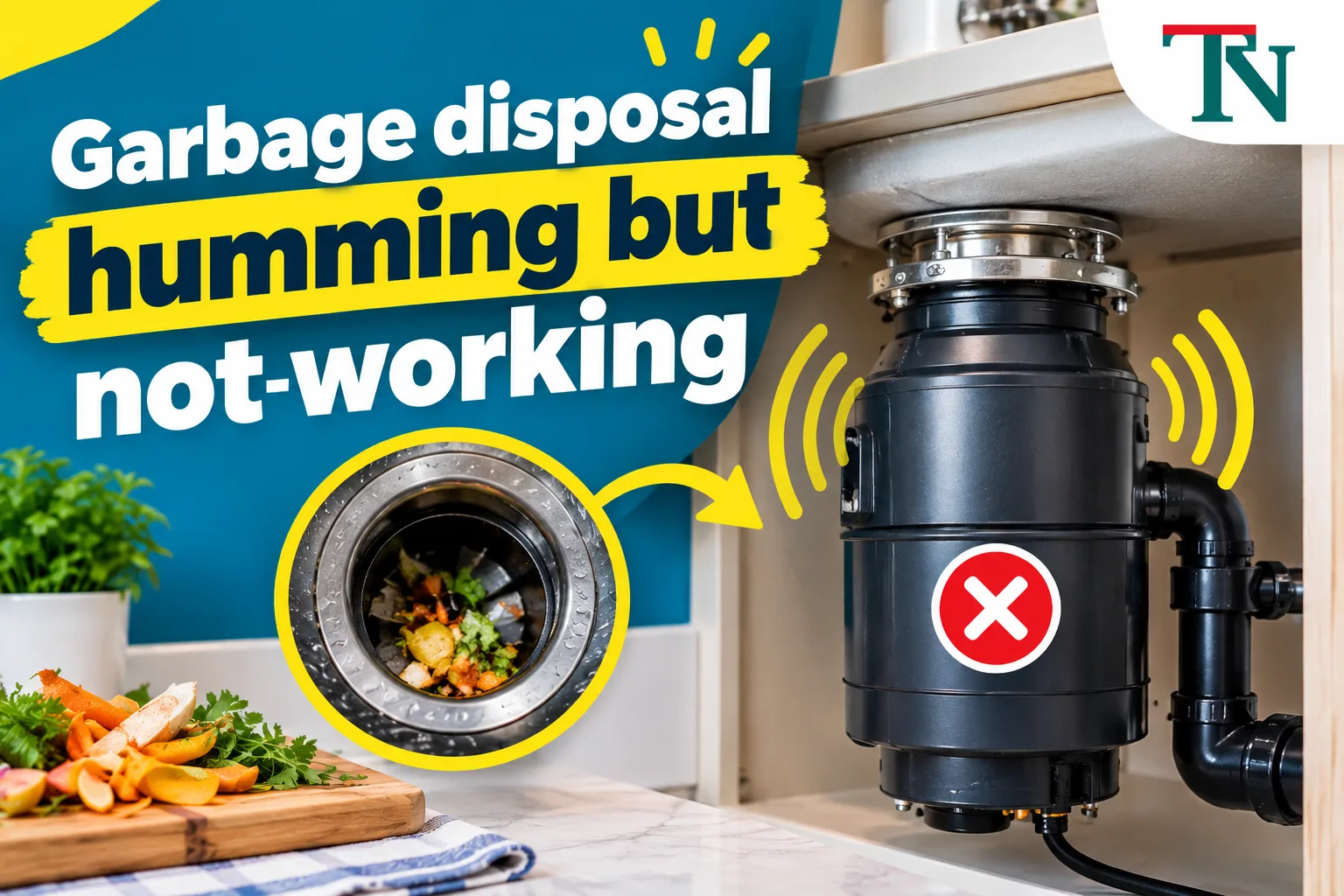
Garbage Disposal Humming but Not Working? How to Fix It Safely
Garbage disposal hums but will not spin? It is usually jammed. Learn how to free it safely with an Allen wrench, reset it, and keep it from jamming again.
7 min read
Home Problems
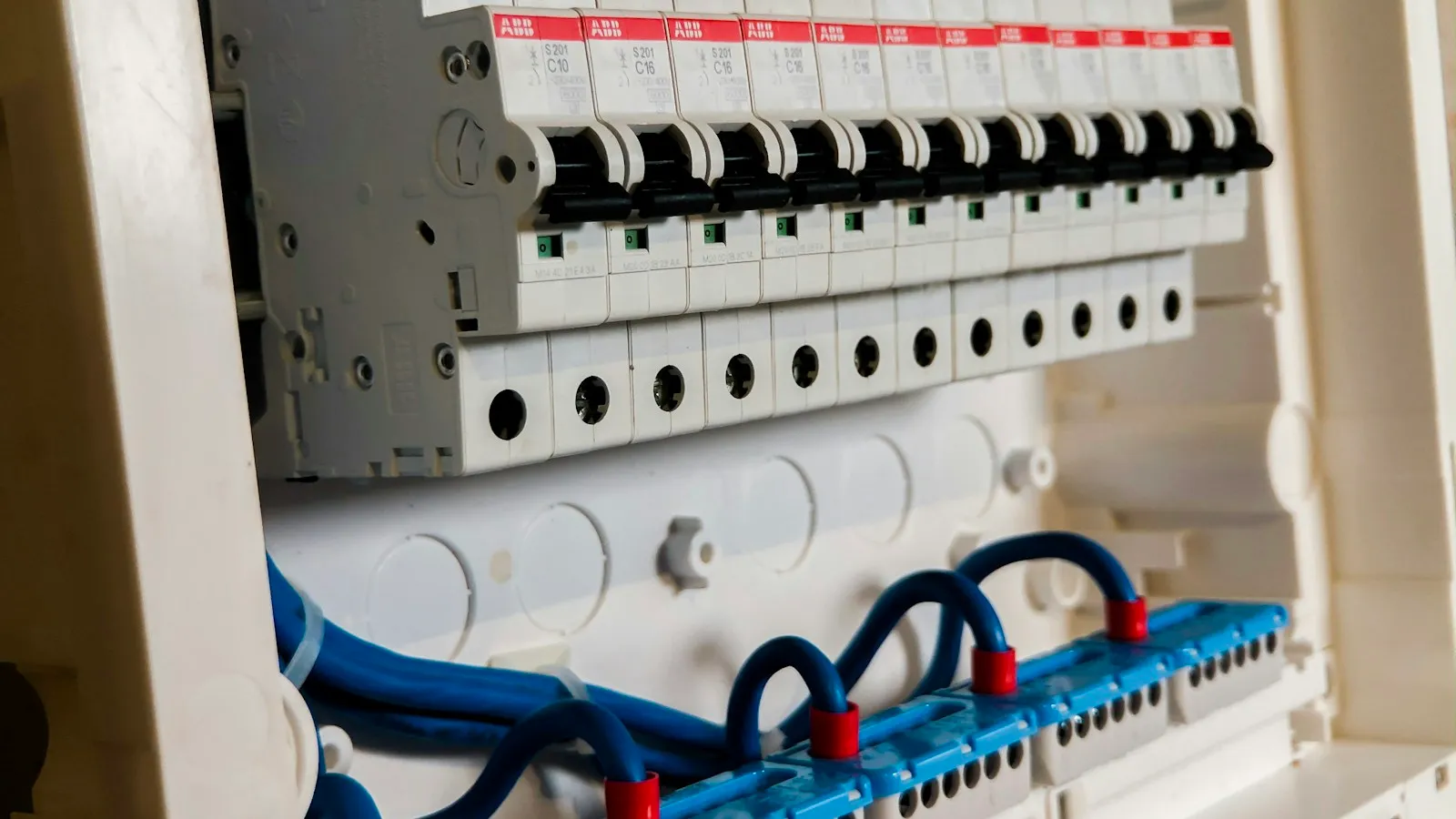
Why Does My Circuit Breaker Keep Tripping? 7 Causes and Safe Fixes
Why does your breaker keep tripping? Learn the 7 common causes, simple safe checks, and when to call an electrician. Easy steps for any home.
11 min read
Home Problems
Why Is My Sink Gurgling? Causes, Fixes, and When It Is a Bigger Problem
Sink gurgling when water drains? Learn the 6 common causes, from a partial clog to a blocked vent, how to fix them, and when to call a plumber.
8 min read
More guides you may need
Home Problems
Are Hurricane Shutters Worth It? Costs, Types and Impact Windows Compared
Are hurricane shutters worth the money? Compare storm panels, accordion, and roll-down shutters with impact windows, plus 2026 costs and insurance tips.
7 min read

Home Problems
Light Not Working but Has Power? Causes, Tests and When to Call an Electrician
Light will not turn on even though the switch or fixture shows power? Check the bulb, socket, dimmer and neutral wire. Safe tests and when to call an electrician.
7 min read