What to Do If an Uninsured Driver Hits You: Step-by-Step Guide
Hit by a driver with no insurance? Learn exactly what to do at the scene, which parts of your own policy can pay, how to file a claim, and when to call a lawyer.
On this page
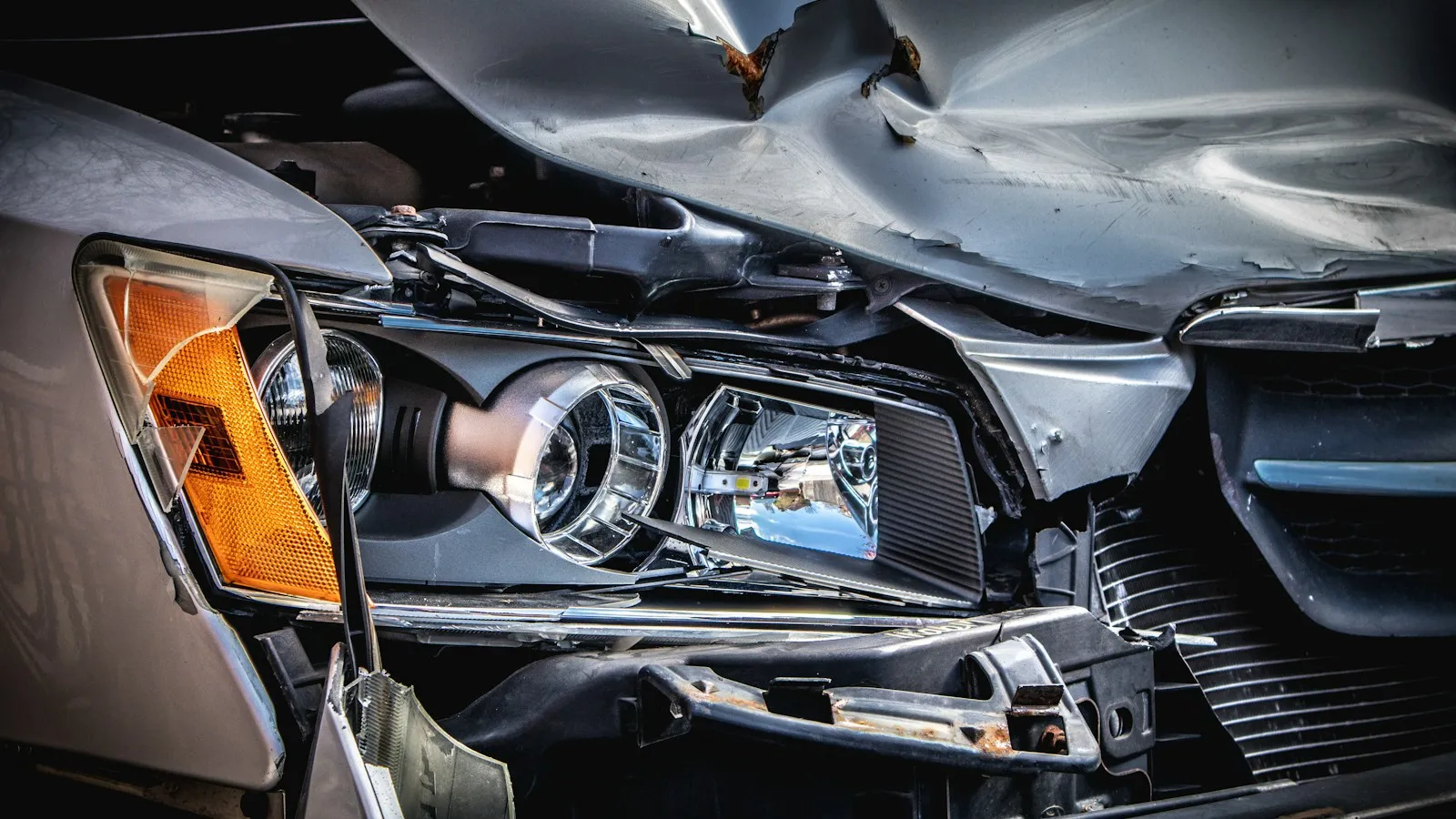
If an uninsured driver hits you, make sure everyone is safe, call the police, collect the other driver's information and photos of the scene, get checked by a doctor, and report the crash to your own insurance company right away. Your own policy may pay for your car and injuries if you have uninsured motorist coverage, collision coverage, or medical payments or personal injury protection.
Being hit by someone with no insurance is stressful, but you are not out of options. Triple-I reports that about 15.4 percent of U.S. drivers, more than 1 in 7, were uninsured in 2023, so this happens more often than most people think.
This guide is general information, not legal advice. Insurance rules are different in every state. Check your policy, and talk to your insurer or a licensed attorney about your situation.
Step 1: Make sure everyone is safe
- Check yourself and your passengers for injuries.
- Call 911 if anyone is hurt or if the cars block traffic.
- If it is safe, move the cars out of traffic and turn on your hazard lights.
Step 2: Call the police
Even for a small crash, a police report is very helpful. It records:
- What happened
- Who was driving
- That the other driver had no insurance
Your insurance company will likely ask for the report number. Many states also require a report when someone is injured or damage is over a certain amount.
Step 3: Collect the other driver's information
Get as much as you can:
- Full name, phone number, and address
- Driver's license number
- License plate number
- Car make, model, and color
- The car owner's name, if different from the driver
If the driver refuses to share details or tries to leave, do not argue or follow them. Write down the plate number and a description, and tell the police.
Step 4: Take photos and find witnesses
- Take photos of both cars, the damage, the street, traffic signs, and the other driver's plate.
- Ask witnesses for their names and phone numbers.
- Write down the time, date, and exact location while it is fresh.
Step 5: Get medical care
See a doctor even if you feel fine. Some injuries, like whiplash, can show up a day or two later. Keep all medical records and bills.
Step 6: Call your insurance company
Report the crash as soon as you can, even if you think you will not use your insurance. Tell them the other driver was uninsured. Most policies require you to report accidents quickly.
Step 7: Find out which coverage can pay
| Coverage | What it pays for | Notes |
|---|---|---|
| Uninsured motorist bodily injury (UMBI) | Your medical bills, lost wages, and more | Required in some states, optional in others |
| Uninsured motorist property damage (UMPD) | Repairs to your car | Not offered in every state |
| Collision | Repairs to your car, no matter who is at fault | Usually has a deductible |
| Medical payments (MedPay) | Medical bills for you and passengers | Pays regardless of fault |
| Personal injury protection (PIP) | Medical bills and some lost wages | Required in no-fault states |
According to Triple-I, 20 states and Washington, D.C. require uninsured or underinsured motorist coverage. In many other states, insurers must offer it, and you have to reject it in writing if you do not want it.
Check your policy's declarations page to see which of these coverages you have and your limits.
Step 8: Think about going after the other driver
Your insurer may try to collect from the at-fault driver later. You can also:
- Ask the driver to pay for damage directly, and put any agreement in writing.
- File in small claims court for smaller amounts. Limits vary by state.
- File a lawsuit for bigger losses.
The hard truth is that many uninsured drivers do not have the money to pay, even if you win in court. That is why having uninsured motorist coverage matters.
When to call a lawyer
Talk to a licensed personal injury attorney if:
- You or a passenger were seriously hurt
- Your medical bills are large or you missed a lot of work
- The insurance company denies or delays your claim
- The other driver disagrees about who was at fault
- It was a hit-and-run
Many injury lawyers offer a free first meeting. There are also time limits, called statutes of limitations, for filing a claim or lawsuit, and they vary by state, so do not wait too long.
What not to do
- Do not leave the scene before police arrive, unless you need medical help.
- Do not agree to "just handle it" with cash before you know the full damage.
- Do not admit fault or guess about what happened. Stick to the facts.
- Do not post about the crash on social media.
- Do not skip the doctor because you feel okay.
Protect yourself before it happens
- Add uninsured and underinsured motorist coverage to your policy if you do not have it. It often costs little compared to the protection it gives.
- Keep a crash kit in your glove box: a pen, paper, your insurance card, and a flashlight.
- Use a dash cam. Video can help prove what happened.
- Save your insurer's claim number and app on your phone.
Driving a lot this season? Plan your trips and fuel costs with our MPG and trip cost calculator, and remember that evening drives get darker after the clocks change in November.
What if it was a hit-and-run?
If the driver leaves and you cannot find out who they were, many policies treat them like an uninsured driver. Your uninsured motorist coverage may pay, but you usually have to act fast.
- Call the police right away and get a report number.
- Tell your insurer quickly. Some states and policies set short deadlines. For example, in Pennsylvania a hit-and-run must be reported to the police within 30 days for the other car to count as uninsured. Many Georgia policies ask for written notice within 30 days.
- Write down anything you remember, like the car color, make, and part of the plate.
- Look for cameras on nearby homes and stores, and ask owners to save the video.
Uninsured vs underinsured drivers
These two are easy to mix up:
| Uninsured driver | Underinsured driver | |
|---|---|---|
| What it means | The driver has no insurance at all | The driver has insurance, but not enough to cover your costs |
| Coverage that helps | Uninsured motorist (UM) | Underinsured motorist (UIM) |
| Example | A driver with no policy causes $8,000 in damage | A driver with a $25,000 limit causes $40,000 in medical bills |
Many insurers sell UM and UIM together. If you have both, your policy can fill the gap in either case.
What if you were uninsured too?
If you were driving without insurance when someone else hit you, you can still ask the at-fault driver's insurer to pay for your losses. But some states limit what you can get. Under "no pay, no play" laws in states such as California, Michigan, New Jersey, and others, uninsured drivers often cannot collect for pain and suffering, even when the other driver was at fault. You can usually still claim medical bills and car repairs.
You may also face penalties for driving without insurance, like fines or a suspended license. Talk to an attorney before you speak with the other insurer.
How much does uninsured motorist coverage cost?
Uninsured motorist coverage is one of the cheaper parts of a car policy. MoneyGeek reports that many drivers pay about $50 to $150 a year for it, though the price depends a lot on your state, your limits, and your driving record. Ask your insurer for a quote with and without it so you can see the real difference.
States with the most uninsured drivers
Some states have far more uninsured drivers than others. Insurance Research Council estimates for 2023 put these at the top:
| State | Share of drivers without insurance |
|---|---|
| Mississippi | About 28% |
| New Mexico | About 24% |
| Washington, D.C. | About 23% |
| Michigan | About 22% |
| Tennessee | About 21% |
If you live or drive often in one of these places, uninsured motorist coverage is even more important.
How long does an uninsured motorist claim take?
A simple claim for car damage may be settled in a few weeks. Claims with injuries often take several months, and some take a year or more if there is a dispute over how much your injuries are worth. Keep every bill, photo, and note, and respond quickly when your insurer asks for documents.
The bottom line
If an uninsured driver hits you, stay safe, call the police, collect information and photos, see a doctor, and call your insurance company right away. Uninsured motorist coverage, collision, and MedPay or PIP from your own policy may pay for your car and injuries. You can also go after the driver in court, but many cannot pay. For serious injuries or a denied claim, talk to a licensed attorney in your state.
Sources
This guide was checked against these official and manufacturer sources.
Frequently asked questions
What happens if someone without insurance hits my car?
Your own policy may pay if you have uninsured motorist coverage, collision coverage, or medical payments or personal injury protection. You can also try to collect from the at-fault driver directly, including in small claims court, but many uninsured drivers cannot pay.
Will my rates go up if an uninsured driver hits me?
In many states, insurers are not allowed to raise your rates for an accident that was not your fault. Rules vary by state and company, so ask your insurer or your state insurance department.
Do I need to call the police if an uninsured driver hits me?
Yes, it is a good idea. A police report creates an official record of the crash and the other driver's lack of insurance, which your insurance company will likely ask for. Many states require a report when someone is hurt or damage is above a certain amount.
How common are uninsured drivers?
Triple-I, citing an Insurance Research Council study, reports that about 15.4 percent of U.S. drivers, or more than 1 in 7, were uninsured in 2023. The rate is much higher in some states.
Should I accept cash from the other driver instead of filing a claim?
Be careful. Damage and injuries are often worse than they look at first. If you take cash and skip the report, it can be hard to get more help later. Always get a police report and tell your insurer.

Written by
Agha Ali Abbas
Agha Ali Abbas is the founder and editor of TimeToNote. He has worked in SEO and content writing for 18 years, and he checks every guide against manufacturer documentation and official sources before it goes live.
Related guides

Everyday Solutions
When Do Clocks Change? Daylight Saving Time 2026 Dates
Clocks fall back on Sunday, November 1, 2026, at 2 a.m. See the exact daylight saving time dates for 2026 and 2027, which states skip it, and how to prepare.
7 min read

Everyday Solutions
Amazon Package Says Delivered But Not Here? What to Do Step by Step
Amazon says delivered but no package? Follow these steps to find it, when to contact Amazon, how to get a refund, and how to stop it from happening again.
7 min read

Everyday Solutions
When Is Black Friday 2026? Dates, Cyber Monday and Smart Shopping Tips
Black Friday 2026 is Friday, November 27, and Cyber Monday is November 30. See all the key shopping dates, when deals really start, and how to spot a real bargain.
6 min read
More guides you may need
Everyday Solutions
How Long to Thaw a Turkey (Fridge, Cold Water, and Cooking Times)
Thaw a turkey in the fridge for 1 day per 4 to 5 pounds, or in cold water for 30 minutes per pound. See the full chart by weight, cooking times, and safety tips.
7 min read

Everyday Solutions
How Much Does a Dehumidifier Cost to Run? Per Hour, Day and Month
A typical dehumidifier costs 5 to 13 cents an hour to run. See the cost per day and month by size, how to work out your own bill, and how to cut it.
8 min read