How to Check an APK for Viruses Before You Install It
Not sure if an APK file is safe? Learn how to scan it with VirusTotal and Google Play Protect, check permissions, and spot fake apps before you install.
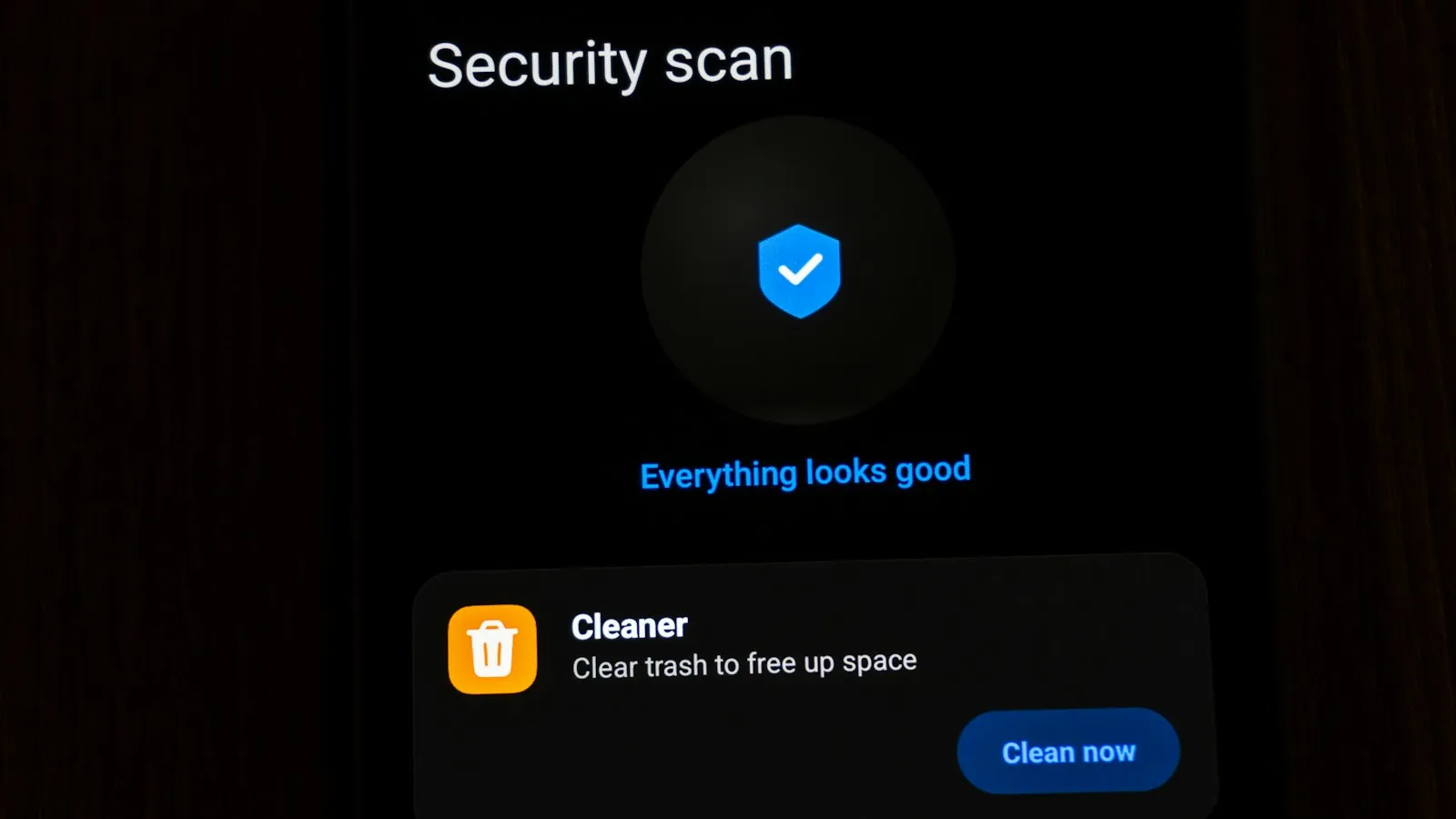
On this page
An APK is the install file for an Android app. Most people get apps from the Google Play Store, but sometimes you download an APK directly from a website. To check an APK for viruses, download it only from the official source, scan it on VirusTotal, compare its checksum, review the permissions, and let Google Play Protect scan it. If a file fails any of these checks, do not install it.
This guide shows each step in plain language, plus the warning signs of a fake or dangerous app.
What is an APK and why is it risky?
APK stands for Android Package. It is the file type Android uses to install apps, much like an .exe file on Windows. When you get an app from Google Play, Google checks it first. When you download an APK from a website, nobody has checked it for you.
Installing an app from outside the Play Store is called sideloading. It is not always bad. Developers share beta versions this way, and some apps are not in the store in your country. But it also gives bad actors a way to hide malware inside a fake copy of a popular app.
Malware inside an APK can:
- Steal passwords and banking information
- Read your text messages, including login codes
- Show endless ads or take over your screen
- Sign you up for paid services without you knowing
- Use your phone to send spam or run hidden tasks
- Lock your files and ask for money
Step 1: Get the APK from a trusted place
The best way to avoid a virus is to start with a clean file. Ask yourself where the file came from.
Safer sources:
- The official website of the app's developer
- Google Play Store (no APK needed)
- F-Droid, a well known store for open source apps
- A phone maker's own app store, such as the one on a Samsung phone
Risky sources:
- Random download sites with big "Download" buttons and lots of ads
- Links sent in text messages, emails, or social media comments
- Pirated copies of paid apps and games
- "Mod" or "unlocked" versions with free coins or premium features
- Files shared in chat groups
Step 2: Scan the file with VirusTotal
VirusTotal is a free website that checks a file against dozens of antivirus tools at once. Its documentation says it can scan any type of file, including Android APKs.
- Go to virustotal.com on your phone or computer.
- Choose File and upload the APK. You can also paste the web link where you found it.
- Wait for the scan to finish.
- Read the results. If many engines mark the file as malicious, do not install it.
A few tips for reading the results:
| Result | What it means |
|---|---|
| 0 detections | No scanner flagged it, which is a good sign but not a guarantee |
| 1 or 2 detections from lesser known tools | Could be a false alarm. Look closer before you decide. |
| Several detections from well known antivirus brands | Treat the file as dangerous and delete it |
| "File not found" | The file is new or rare. Be extra careful. |
VirusTotal's own blog says its Android tool is not a replacement for an antivirus product, just a second opinion. Use it as one step, not the only step.
Step 3: Check the file's checksum
A checksum is a long string of letters and numbers that works like a fingerprint for a file. If someone changes even one small piece of the file, the checksum changes.
Many developers post the SHA-256 checksum for each download on their official site. To check it:
- Find the checksum on the developer's website.
- Get the checksum of your downloaded file. On a computer, you can do this with a free tool. On Windows, open Command Prompt and type
certutil -hashfile yourfile.apk SHA256. On a Mac or Linux, typeshasum -a 256 yourfile.apk. - Compare the two. They must match exactly.
If they do not match, the file was changed or damaged. Delete it and download again from the official site.
If the developer does not post a checksum, you can still use this trick: upload the file to VirusTotal and see if the same file hash was already scanned by others.
Step 4: Read the app's permissions
Permissions tell you what an app wants to do on your phone. A flashlight app should not need your contacts, and a calculator should not need to read your text messages.
Before you install, check what the app asks for. After you install, you can see the list in Settings, then Apps, then the app, then Permissions.
Warning signs include:
- SMS or call log access for an app that has nothing to do with messages
- Accessibility service access for a simple game or tool. This can let an app see and control your screen.
- Device admin access, which can make the app hard to remove
- Display over other apps, which some bad apps use to trick you
- Contacts, location, and microphone all at once for a basic app
If an app asks for far more than it needs, skip it.
Step 5: Turn on Google Play Protect
Google Play Protect is built into most Android phones. Google says it scans apps for harmful behavior when you install them and also checks your device regularly. It also scans apps that came from outside the Play Store.
To check that it is on:
- Open the Google Play Store app.
- Tap your profile picture at the top.
- Tap Play Protect.
- Make sure it is turned on, then tap Scan.
If you often install apps from other places, Google suggests you also turn on Improve harmful app detection. This lets Play Protect send unknown apps to Google for a check.
Play Protect may show a warning that says "Blocked by Play Protect" or "Harmful app." Take it seriously. Do not choose "Install anyway" unless you are certain the app is safe.
Step 6: Allow installs only when you need to
To install an APK, Android asks you to allow Install unknown apps for the app you used to download the file, such as your browser or file manager. This is a per-app setting.
Good habits:
- Allow it only for the one app you need, such as Chrome.
- Install the file.
- Turn the permission back off right away.
You can find the setting under Settings, then Apps, then Special app access, then Install unknown apps. The exact path varies by phone brand.
Step 7: Watch how the app behaves
After you install, keep an eye on your phone for a few days. Warning signs of a bad app:
- Pop-up ads when you are not using the app
- Battery drain or a phone that gets hot for no reason. See our guides on phones that overheat and why a phone restarts by itself.
- Extra data use in the background
- New apps you did not install
- Strange charges on your phone bill or bank card
- Text messages you did not send
- Your phone slows down a lot
If you notice any of these, remove the app right away.
How to spot a fake app
Fake apps copy the look and name of popular apps. Check these things:
- The package name. A real app has a package name tied to its company, like
com.company.app. A fake may have a slightly different spelling. - The developer name. It should match the company that makes the real app.
- The file size. A game that should be 500 MB but is only 5 MB is a warning sign.
- Spelling and grammar. Poor writing on the download page can signal a scam.
- Too many ads or pop-ups on the download page.
- Pressure to act fast, like "limited time" or "your phone is infected."
What to do if you installed a bad APK
Act fast if you think you installed a harmful app. Google's help page for removing malware suggests a path like this:
- Turn on airplane mode to stop the app from sending data.
- Restart in safe mode if you cannot find the app. Safe mode turns off apps you added.
- Uninstall the app in Settings, then Apps. If the Uninstall button is grayed out, check Device admin apps in security settings and remove its admin rights first.
- Run a Google Play Protect scan.
- Change your passwords for email, banking, and social media from a different, clean device.
- Turn on two-step verification on your important accounts.
- Check your bank and card statements for charges you do not recognize.
- Factory reset if the problem does not go away. Back up photos and files first, but do not restore apps from the backup.
If you shared banking details or card numbers, call your bank right away.
Is it ever okay to use an APK?
Yes, in some cases:
- You are using an official beta or a version the developer shares directly
- The app is not available in the Play Store in your country, and you downloaded it from the maker's own website
- You use an open source app from F-Droid
- You are a developer testing your own app
In each case, still follow the steps above. A few minutes of checking can save you from a big headache.
Keep your phone clear of junk
Many people end up looking for APKs because their phone is full or an app is missing. If your phone has no space for new apps, see how to free up storage when your phone says it is full.
The bottom line
Treat every APK as unchecked until you prove otherwise. Download from the official source, scan the file on VirusTotal, match the checksum, read the permissions, and keep Google Play Protect on. Never install cracked or modded apps, and turn off "Install unknown apps" when you are done. If a phone starts acting strange after an install, uninstall the app, scan with Play Protect, and change your important passwords.
Sources
This guide was checked against these official and manufacturer sources.
Frequently asked questions
How can I check if an APK file is safe?
Download it only from the app maker's official site or a trusted store, scan the file on VirusTotal, compare its checksum with the one the developer publishes, turn on Google Play Protect, and read the permissions before you install. If anything looks off, do not install it.
Is VirusTotal enough to prove an APK is safe?
No. VirusTotal checks a file against many antivirus engines, which is a helpful second opinion. But a clean result does not guarantee the file is safe, especially if the file is brand new or has been changed in a way scanners do not know about yet.
Does Google Play Protect scan APK files?
Yes. Google says Play Protect checks apps for harmful behavior when you install them and also scans your device regularly. It covers apps that came from outside the Play Store, as long as Play Protect is turned on.
Are modded or cracked APKs safe?
They are risky. Modded apps change the original code, and you cannot tell what was added. Free copies of paid apps and games are a common way to spread malware, so it is safest to avoid them.
What should I do if I installed a bad APK?
Turn on airplane mode, uninstall the app from Settings, run a Google Play Protect scan, and change the passwords for your important accounts from another device. If the app keeps coming back or your phone acts strange, back up your photos and do a factory reset.

Written by
Agha Ali Abbas
Agha Ali Abbas is the founder and editor of TimeToNote. He has worked in SEO and content writing for 18 years, and he checks every guide against manufacturer documentation and official sources before it goes live.
Related guides
Tech Problems
Why Is My Phone Storage Full? How to Free Up Space on iPhone and Android
Phone storage full? See what is using up your space and free it up fast on iPhone or Android, without losing your photos, messages, or favorite apps.
8 min read
Tech Problems
Why Does My Phone Get Hot? 10 Causes and How to Cool It Down
Is your phone getting hot? Learn the 10 most common reasons, how to cool it down safely in minutes, and when heat is a sign of a bigger problem.
10 min read
Tech Problems
Why Does My Phone Keep Restarting? 11 Causes and How to Fix It
iPhone or Android restarting on its own? Find out why, from buggy apps to a worn battery, and follow these simple steps to stop the restart loop.
8 min read
More guides you may need
Tech Problems
How to Update to iOS 27 on Your iPhone (and Fix Update Problems)
How to update your iPhone to iOS 27, which iPhones can get it, and what to do if the update is stuck, will not install, or needs more storage.
7 min read
Tech Problems
HP Printer Says Paper Jam but There Is No Jam? 8 Fixes
HP printer shows a paper jam error but you cannot find any paper? Reset the printer, check the paper path, clean the rollers and clear false jam errors.
8 min read